somalia,Minnesota,and the Complex US Role in a Nation in Crisis
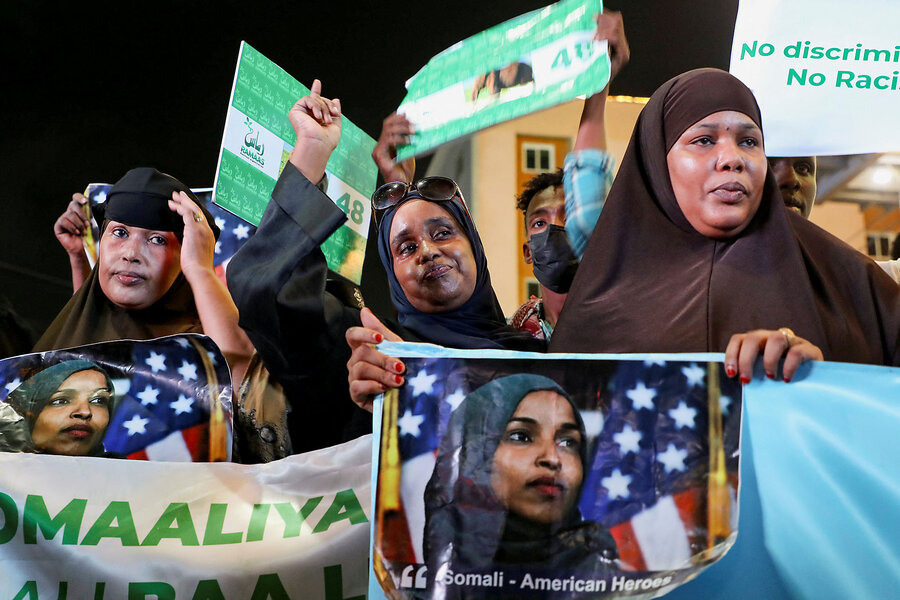
Somalia is facing a confluence of crises – devastating climate shocks,persistent terrorism,and entrenched poverty – driving mass displacement and sparking a heated political debate in the united States,particularly concerning the somali-American community in Minnesota. Recent rhetoric from former President Trump has amplified anxieties, but understanding the situation requires a nuanced look at Somalia’s history, the US’s long-standing involvement, and the realities faced by Somali communities both at home and abroad.
A nation Ravaged by Climate and Conflict
for decades, Somalia has been locked in a cycle of extreme weather events. Repeated droughts, punctuated by catastrophic flooding, have decimated the country’s agricultural sector – the backbone of its economy. This environmental instability exacerbates existing vulnerabilities, fueling a severe hunger crisis and pushing millions to the brink. As Thomas warrick, a senior fellow at the Atlantic Council and former Department of Homeland Security official, points out, these conditions are not isolated incidents but rather a compounding of challenges that are “making a bad situation worse.”
The impact is staggering. Currently, an estimated 4 million Somalis are internally displaced, forced to abandon their homes and livelihoods. Over 700,000 more have sought refuge in neighboring countries, including the United States. This mass migration isn’t a matter of choice, but a desperate response to conditions that threaten survival.
The Controversy in Minnesota: Beyond a Fraud Scandal
The recent surge in attention to the Somali community in Minnesota stems largely from a COVID-era fraud scandal involving the federal nutrition program designed to provide meals to children. While dozens have been charged, primarily of Somali ancestry, framing this as the sole reason for the heightened scrutiny is a risky oversimplification.
Former President Trump’s comments, coupled with the announcement of plans to terminate Temporary Protected Status (TPS) for Somalis and the launch of ICE’s “Operation Metro Surge” in Minneapolis, have instilled fear and panic within the community. TPS, a vital immigration designation, allows individuals from countries facing exceptional circumstances – war, natural disasters, and other crises – to remain in the US temporarily. Revoking this status,alongside increased enforcement actions,disproportionately impacts a population largely comprised of American citizens with no criminal record.
This response is widely condemned as unjust and prejudiced. Dr. elmi,a Somali academic,emphasizes the significant contributions Somalis make to American society,working in vital sectors like healthcare,education,and public service. He rightly argues that accusations should be addressed through the legal system, not through “absolutely false and racist” public pronouncements.
The US Role: A Complex History of Engagement
The United States has a long and complex relationship with Somalia, rooted in strategic interests and counterterrorism efforts. Somalia’s location on a critical global shipping route and its status as a base for Al-Shabaab, one of Al-Qaeda’s most potent affiliates, have made it a key US ally in the Horn of Africa.
This partnership has manifested in considerable financial and military support. Since the early 2000s, the US has invested over $500 million in training and equipping the Somali military. Moreover,the US has conducted airstrikes against Al-Shabaab as 2003,significantly escalating during the Trump management.
The stated goal of this intervention is to empower Somalia to independently combat terrorism. Though, as Warrick explains, a purely military approach is insufficient.Sustainable stability requires significant investment in strengthening the Somali government’s capacity to govern effectively, provide essential services, and address the root causes of instability.
The Risk of Abandonment: Aid Cuts and a Fragile Future
Ironically, while former President trump publicly criticizes Somalia, his administration’s policies – particularly substantial cuts to american aid - are undermining the very efforts to stabilize the country. These cuts jeopardize the progress made in building Somali institutions and risk pushing the nation further into chaos.
A weakened Somali government is less capable of countering al-Shabaab, potentially creating a more fertile ground for terrorist activity. This, in turn, could lead to even greater displacement and a renewed surge in migration, directly contradicting the stated aim of preventing Somalis from seeking refuge abroad.
Looking Ahead: A Holistic Approach is Crucial
The situation in Somalia demands a complete and nuanced response. Addressing the climate crisis, strengthening governance, investing in economic development, and providing humanitarian assistance are all essential components of a sustainable solution.
The US role must extend beyond military intervention to encompass a long-term commitment to building a stable and prosperous Somalia. This includes restoring aid levels, supporting inclusive governance, and addressing the underlying drivers of conflict and displacement
Keep reading
- LeBron James: The Global Phenomenon Coming to Philadelphia
- UKHSA Estimates 2,877 Heat-Associated Deaths in England Following Record May and June Heatwaves
- The Senate Blue Slip, Explained: The Custom Trump Wants Gone (daybreakwire.com)
- Noida Police File Zero FIR Against Woman Over Anti-Modi Remarks (time.news)