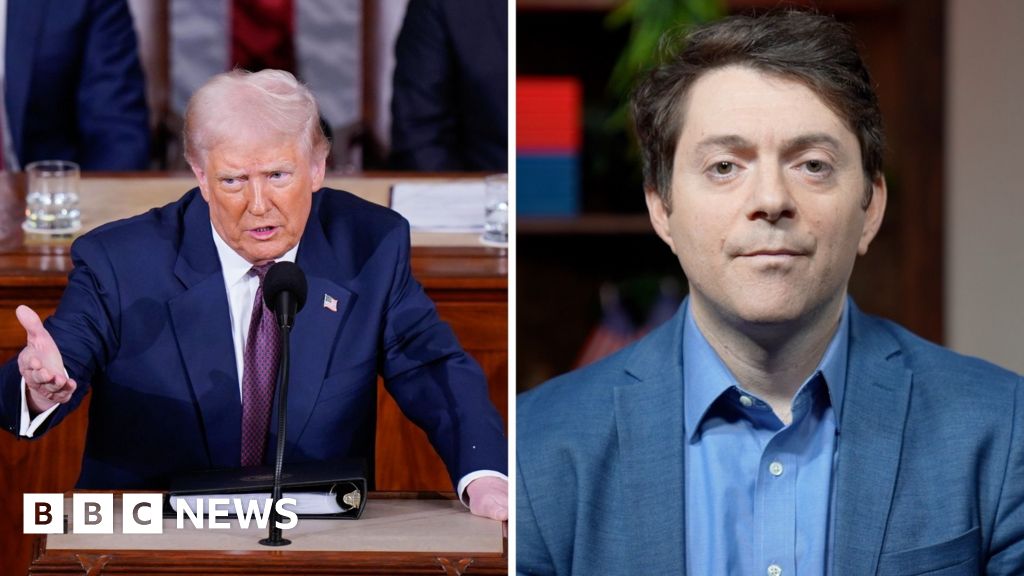
Washington D.C. – As President Donald Trump prepares to deliver his first State of the Union address of his second term on February 24, 2026, all eyes are on Capitol Hill. The speech, a constitutionally mandated update on the state of the nation, comes at a pivotal moment for the President, who faces both domestic and international challenges. This address offers a crucial platform for Trump to outline his accomplishments, address pressing concerns, and lay out his agenda for the coming year. The event is expected to be closely watched for signals about the direction of his administration and potential shifts in policy.
The President will address a joint session of Congress, detailing what he views as successes during his first year back in office and articulating his plans for the future. While the White House has remained tight-lipped about the specifics of the speech, analysts anticipate a focus on economic performance, immigration policy, and national security. The address is also expected to serve as a prelude to the upcoming midterm elections, with the President likely seeking to rally support for his party’s candidates.
Economic Focus and Scrutiny
A central theme of Trump’s address is expected to be the economy. He has consistently touted economic growth during his presidency, and will likely highlight recent figures and initiatives aimed at bolstering American prosperity. However, recent reports indicate a more complex economic landscape, with concerns about inflation and rising costs for many Americans. Virginia Governor Abigail Spanberger, delivering the Democratic response to the address, is expected to challenge the President’s economic narrative, focusing on the financial pressures faced by families across the country. Spanberger, who won her election on a cost-focused message, is anticipated to criticize the White House for failing to adequately address these concerns.
Notably, President Trump again falsely claimed during his address that he eliminated taxes on Social Security, a key promise from his 2024 campaign. He stated, “With the great Big, Beautiful Bill, we gave you no tax on tips, no tax on overtime, and no tax on Social Security.” However, the domestic policy package signed last summer only created a temporary $6,000-per-year tax deduction for individuals age 65 and older (with a smaller deduction for those earning over $75,000 annually). Millions of Social Security recipients will continue to pay taxes on their benefits, and the deduction expires in 2028. This discrepancy underscores the importance of fact-checking claims made during the State of the Union address.
Immigration and Public Safety
Immigration is another area where the President is expected to emphasize his administration’s policies. He has consistently advocated for stricter border control and increased enforcement of immigration laws. The address is likely to feature a defense of these policies and a reiteration of his commitment to securing the border. However, the administration’s actions have drawn criticism from Democrats, who argue that they are overly harsh and harmful to immigrant communities. Governor Spanberger specifically attacked Trump’s administration’s ICE surge in communities like Minneapolis, highlighting the impact on local residents. This issue is poised to turn into a central point of contention in the upcoming midterm elections, with Democrats aiming to use the administration’s immigration policies as a “cudgel” against the GOP.
The rhetoric surrounding law enforcement is particularly noteworthy, given Spanberger’s background as a former CIA agent. She has been a vocal critic of the “defund the police” movement within her own party, believing it alienated voters. Her stance signals a potential shift in the Democratic approach to law enforcement and public safety, and a willingness to engage on issues where she diverges from the more progressive wing of the party.
International Affairs and Global Challenges
While the focus of the State of the Union address is typically domestic, international affairs are likely to feature prominently, given the complex geopolitical landscape. The ongoing conflicts in Ukraine and the Middle East, particularly the Israel-Hamas war, will undoubtedly be addressed. The President is expected to reaffirm his commitment to supporting allies and defending American interests abroad. However, he may also face questions about his administration’s handling of these crises and its broader foreign policy strategy. The Associated Press reports that Trump is hoping a long list of accomplishments can counter his low approval ratings.
What to Expect from the Democratic Response
Governor Spanberger’s response to the President’s address is expected to be a sharp critique of his policies and a presentation of the Democratic vision for the future. She is likely to focus on issues such as economic inequality, healthcare access, and climate change, presenting them as areas where the Democratic Party offers a better path forward. Her background as a moderate Democrat and her emphasis on fiscal responsibility suggest that she will attempt to appeal to a broad range of voters, including those who may be disillusioned with both parties. The response will be a crucial opportunity for Democrats to frame the narrative and counter the President’s message.
Key Areas of Contention
- Economic Policy: Disagreements over tax cuts, government spending, and the role of regulation.
- Immigration: Differing approaches to border security, enforcement, and pathways to citizenship.
- Healthcare: Debates over the future of the Affordable Care Act and access to affordable healthcare.
- National Security: Divergent views on military spending, foreign policy, and the fight against terrorism.
The length of President Trump’s address itself is noteworthy. CNN reports that he has already broken his own record for the longest annual State of the Union address. This extended format allows for a more detailed presentation of his administration’s accomplishments and agenda, but also raises questions about whether the message will be diluted or lost in the sheer volume of information.
As President Trump delivers his State of the Union address, the nation will be listening closely. The speech represents a critical moment for his administration, offering an opportunity to shape the political debate and set the stage for the challenges and opportunities that lie ahead. The response from Governor Spanberger will provide a contrasting perspective, highlighting the divisions that continue to shape American politics. The coming months will reveal whether the President’s message resonates with the American people and whether his party can maintain its momentum in the face of a challenging political landscape.
The next key event to watch will be Governor Spanberger’s full remarks following the President’s address, which will provide a more detailed articulation of the Democratic response. Further analysis of the President’s speech and the Governor’s rebuttal will be available on www.world-today-journal.com in the coming days. We encourage readers to share their thoughts and reactions in the comments section below.
Related reading