
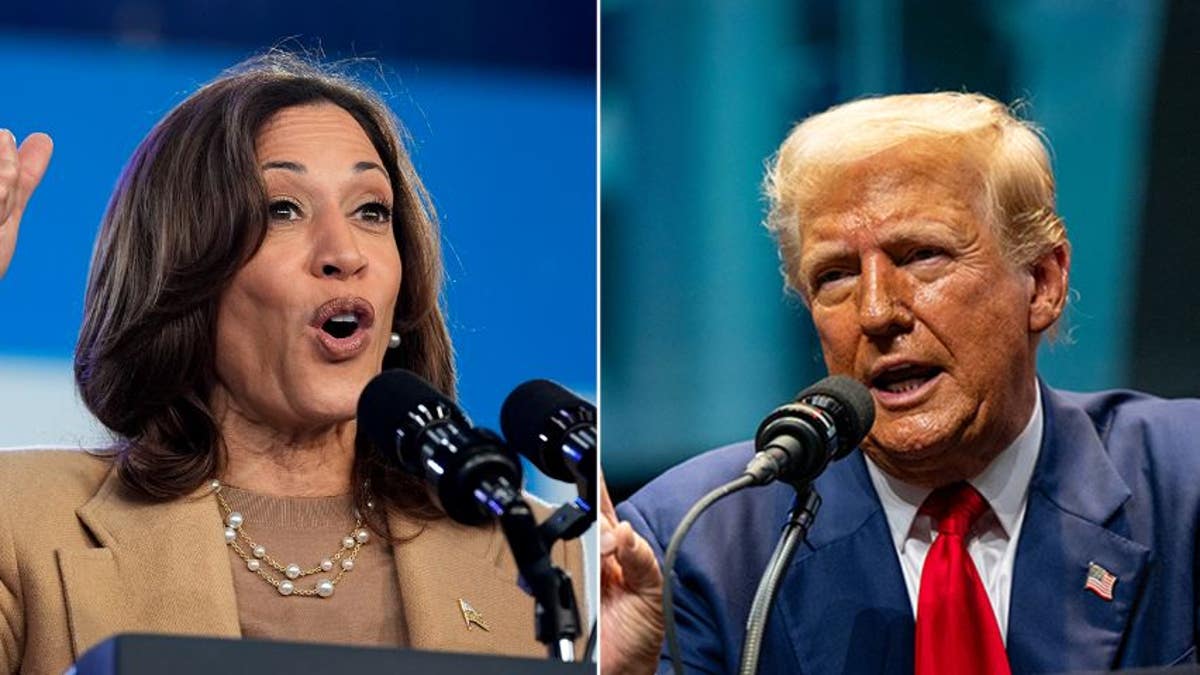
California Governor Gavin Newsom has publicly challenged President Donald Trump, labeling him a “grandpa” following a series of late-night social media posts in which the president alleged widespread irregularities in the California electoral process. The exchange marks a sharp escalation in the political rhetoric between the state’s Democratic leadership and the White House, as the administration intensifies its focus on the integrity of state-level voting systems.
The tension stems from recent comments made by President Trump regarding California’s election procedures. The president has repeatedly characterized the state’s vote-counting systems as “rigged,” a claim that has been met with firm rebuttal from state officials. Governor Newsom’s dismissive characterization of the president’s late-night activity appears to be part of a broader Democratic strategy to frame these allegations as outdated or detached from the reality of modern, secure election administration.
Election administration in California is governed by the California Elections Code, which mandates specific procedures for the processing and tallying of ballots. According to the California Secretary of State’s office, the state utilizes a combination of mail-in voting and in-person polling, with rigorous security protocols including signature verification and chain-of-custody requirements for every ballot cast. These standards are subject to ongoing review by county election offices, which are responsible for the final certification of results.
The Shift in Political Rhetoric
The recent exchange represents a departure from traditional policy debates, focusing instead on the personal conduct of political figures. By invoking the “grandpa” label, Governor Newsom is targeting the president’s late-night digital habits, attempting to diminish the impact of the president’s claims by framing them as erratic behavior rather than substantive policy critiques. This rhetorical approach follows a pattern of heightened engagement between the California executive branch and the federal government.
Political analysts note that such clashes are often aimed at mobilizing respective voter bases. For the administration, questioning election systems serves as a core component of a broader strategy to maintain focus on perceived vulnerabilities in the democratic process. For state leaders like Governor Newsom, defending the integrity of California’s systems serves to solidify their standing as a primary opposition force against the current federal administration.
Context of Election Integrity Debates
While the president’s claims regarding California’s election systems have received significant attention, they remain part of a long-standing national dialogue regarding electoral security. The Cybersecurity and Infrastructure Security Agency (CISA), which serves as the federal lead for election infrastructure, has historically maintained that voting systems across the United States are protected by multi-layered security measures designed to prevent unauthorized interference.
The current friction is exacerbated by the ongoing nature of election results in various jurisdictions, where localized races continue to be tabulated. In instances where margins are thin, the scrutiny placed on the counting process often intensifies. This environment allows for the rapid circulation of unverified claims, which state officials are then tasked with addressing through official channels and public statements.
What Happens Next
As the political calendar progresses, observers expect the rhetoric surrounding election systems to remain a central theme of the national discourse. The next major checkpoint for California’s electoral administration will be the final certification of results for local and state-level contests. County election officials are required to complete their canvass of the vote, a process that includes verifying provisional ballots and resolving any outstanding administrative challenges, in accordance with the timelines established by state law.
Residents seeking verified information regarding vote counts or election security procedures in their specific districts are encouraged to consult their local county registrar of voters or the California Secretary of State’s official website. These platforms provide the most accurate, real-time data on the status of ongoing counts and the legal frameworks governing current election procedures.
We invite our readers to join the conversation regarding these developments. Please share your perspectives on how state and federal leaders are handling these ongoing challenges to public confidence in election outcomes.
- Florida Judge Blocks Property Tax Amendment 3, Calling Ballot Language Misleading
- Karnataka Cabinet Reshuffle: 16 Congress MLAs Clash With Leadership as N.A. Harris Misses Out
- Alaska Primary Election 2020: Early In-Person Voting Begins (news-usa.today)
- US Labor Market Stabilizes as Jobless Claims Fall and Openings Hold Steady (archyworldys.com)