
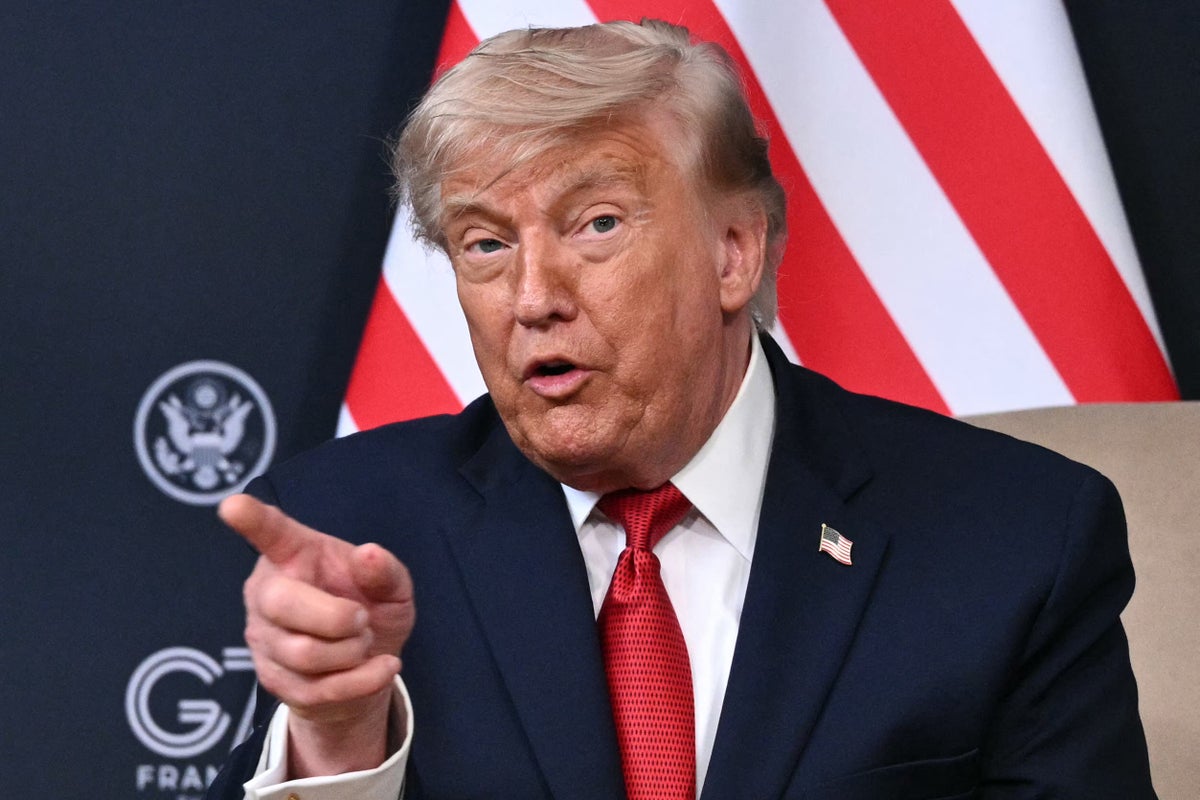
Donald Trump has signaled a potential shift in U.S. maritime policy regarding the Strait of Hormuz, suggesting that the United States could impose tolls on vessels transiting the critical waterway if specific diplomatic benchmarks are not met. The former president’s remarks have drawn attention to the security of one of the world’s most vital energy corridors, where approximately 20% of the world’s total petroleum consumption passes daily, according to the U.S. Energy Information Administration.
The discourse surrounding the potential for U.S.-imposed tolls centers on the status of ongoing diplomatic efforts with Iran. Reports indicate that the proposal for a transit fee is contingent upon the absence of a finalized agreement with Tehran within a 60-day window. While the rhetoric has sparked debate over international maritime law, the United States maintains a significant naval presence in the region, coordinated primarily through the U.S. Fifth Fleet based in Bahrain, as documented in official records from U.S. Naval Forces Central Command.
Understanding the Strait of Hormuz Transit Strategy
The Strait of Hormuz serves as a primary transit route for oil exports from Saudi Arabia, Iran, the United Arab Emirates, Kuwait, and Iraq. Any unilateral move to impose tolls would represent a significant departure from established international norms under the United Nations Convention on the Law of the Sea (UNCLOS), which guarantees the right of transit passage for all vessels through international straits. Although the U.S. is not a signatory to UNCLOS, it has historically recognized the convention’s provisions as customary international law, as stated by the U.S. Department of State.
The suggestion of charging tolls has been framed by proponents as a mechanism to exert economic pressure during sensitive negotiations. However, maritime legal experts emphasize that the Strait of Hormuz is international water. According to the Congressional Research Service, attempting to restrict or tax passage through such a chokepoint could trigger significant geopolitical instability and potential legal challenges before international tribunals.
Geopolitical Context and Diplomatic Deadlines
The 60-day timeline mentioned in recent reports coincides with broader efforts by international observers to monitor nuclear non-proliferation and regional security in the Middle East. The U.S. has maintained a policy of “maximum pressure” toward Iran since the 2018 withdrawal from the Joint Comprehensive Plan of Action (JCPOA), a move that remains a defining feature of recent American foreign policy, according to the White House archives.
Analysts note that the rhetoric surrounding the Strait is often intended for domestic political consumption, serving to signal a hawkish stance on foreign adversaries. By linking the threat of tolls to a 60-day deadline, the messaging targets specific administrative milestones. However, there is no current legislative framework or executive order that authorizes the U.S. military to collect tolls from international merchant shipping, a fact reinforced by the U.S. Department of Transportation’s Maritime Administration.
Impact on Global Energy Markets
The global energy market is highly sensitive to disruptions in the Persian Gulf. Even the suggestion of increased costs or restricted access can lead to volatility in crude oil futures. As noted by the International Energy Agency, the strategic importance of the Strait of Hormuz means that any actual implementation of tolls would likely result in immediate spikes in insurance premiums for commercial vessels and increased shipping costs passed on to global consumers.
Market participants often track these developments through the lens of supply chain security. The presence of international coalition forces, such as the International Maritime Security Construct (IMSC), is intended to ensure the freedom of navigation and the free flow of commerce. Official updates regarding the security posture of the region are regularly published by the IMSC headquarters.
Next Steps in Regional Diplomacy
The next confirmed checkpoint for these diplomatic developments remains the ongoing monitoring of regional nuclear activities and the enforcement of existing sanctions regimes. Observers are awaiting further official statements from the U.S. State Department regarding potential shifts in Iran policy or new executive guidance on maritime enforcement.
For readers interested in tracking these developments, official government portals provide the most accurate information on current policy changes. We encourage readers to share their perspectives on the intersection of maritime law and foreign policy in the comments section below.