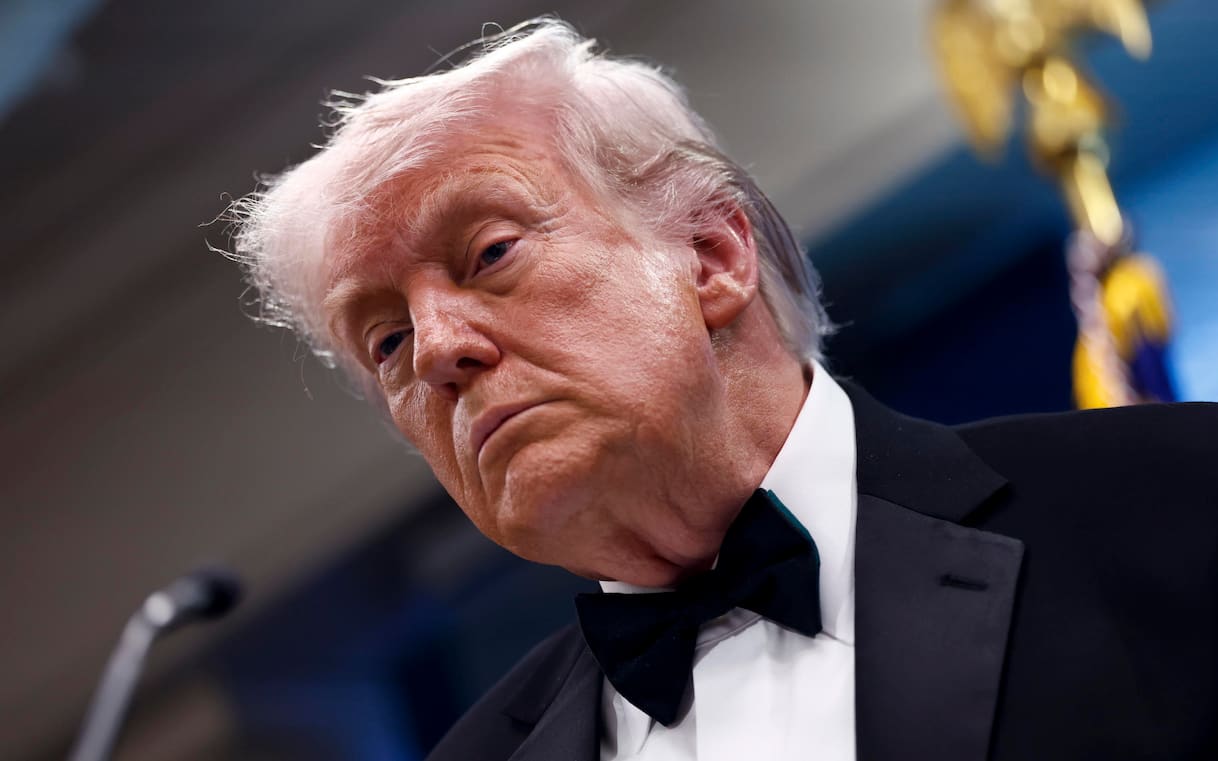
Trump Warns Iran’s Oil System Could Collapse Within Days Amid Rising Strait of Hormuz Tensions
Former U.S. President Donald Trump has renewed his warning that Iran’s petroleum infrastructure faces imminent risk of disruption, stating in recent remarks that the country’s oil system “could blow up in three days.” The comment, reported by multiple Italian news outlets including Sky TG24 and ANSA, comes amid escalating tensions in the Strait of Hormuz, a critical chokepoint for global oil shipments. Trump’s assertion aligns with heightened rhetoric from U.S. Defense officials regarding maritime security in the region, though independent verification of the specific three-day timeframe remains unverified in authoritative sources.
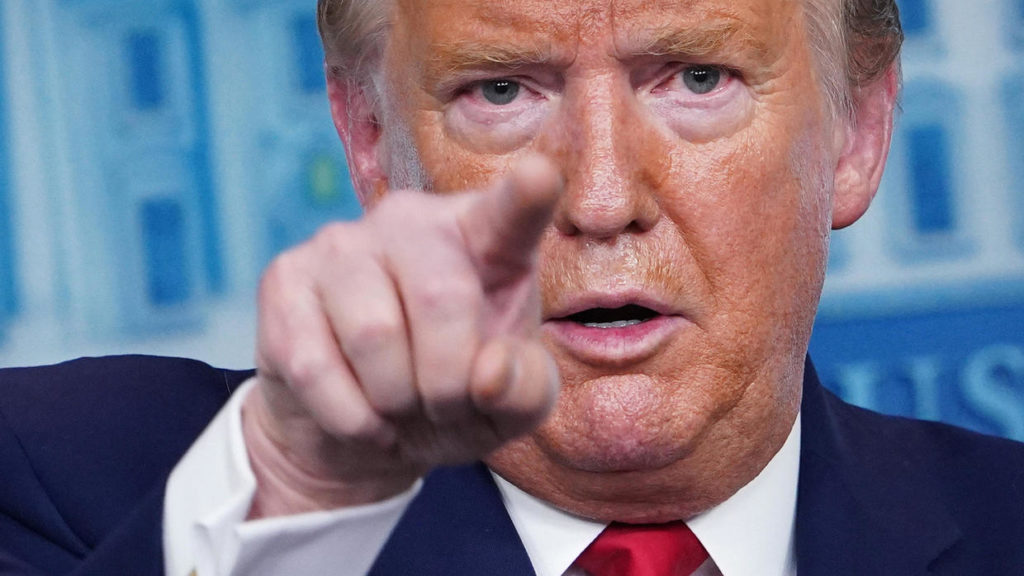
The Strait of Hormuz, located between Iran and Oman, sees approximately 20% of the world’s oil supply pass through its waters daily, according to long-standing data from the U.S. Energy Information Administration. Any disruption to traffic in this narrow waterway—just 21 miles wide at its narrowest point—could trigger immediate spikes in global energy prices and disrupt supply chains across Asia, Europe, and North America. Recent weeks have seen increased naval activity in the area, with both U.S. And Iranian forces conducting maneuvers amid diplomatic friction over Iran’s nuclear program and regional influence.
U.S. Secretary of Defense Pete Hegseth recently issued a direct warning to Iran, stating that American forces would “shoot to destroy” any vessels attempting to lay mines in the Strait of Hormuz, as reported by Fox News. This followed the cancellation of a planned diplomatic visit by U.S. Envoys to the region, after which Iran’s foreign minister traveled to Pakistan and Moscow, according to CBS News. Al Jazeera reported ongoing standoffs in the strait, concurrent with cross-border exchanges between Israel and Hezbollah, further complicating the regional security landscape.
Iran remains a significant player in global energy markets, ranking among the top ten oil-producing nations globally. Its petroleum sector, however, operates under stringent international sanctions related to its nuclear activities, which have limited foreign investment and technological upgrades in recent years. The International Energy Agency has noted that aging infrastructure and maintenance challenges could increase vulnerability to operational disruptions, though no credible source has confirmed an imminent three-day collapse timeline as suggested by Trump’s remarks.
Analysts emphasize that whereas Iran’s oil exports have fluctuated due to sanctions and geopolitical pressures, the country continues to export roughly 1.5 million barrels per day, primarily to Asian buyers including China and India, based on tanker tracking data and customs records. Any sudden reduction in output would likely be absorbed partially by increased production from other OPEC+ members, particularly Saudi Arabia and the United Arab Emirates, which maintain spare capacity. Nevertheless, psychological markets often react sharply to perceived supply risks, especially when tied to flashpoint regions like the Strait of Hormuz.
The Italian media reports referencing Trump’s statement did not specify the forum or date of his comments, nor did they provide direct quotations or contextual details about his audience or intent. Without access to a verifiable transcript, audio recording, or official statement from Trump’s team, the precise wording and timing of the “three days” claim cannot be confirmed through authoritative channels. Journalistic best practice requires treating such unattributed assertions with caution, particularly when they involve specific predictive timelines affecting commodity markets.
Global energy analysts continue to monitor developments in the Persian Gulf closely, noting that while tensions remain elevated, diplomatic channels—including backchannel communications and multilateral forums—have historically prevented outright closure of the strait. The last major disruption occurred in 2019 following a series of unattributed attacks on tankers, which prompted increased international naval patrols. Since then, regional actors have generally avoided actions that could trigger a full-scale maritime confrontation, aware of the severe economic repercussions for all parties involved.
For readers seeking real-time updates on maritime security in the Strait of Hormuz, official advisories are issued by the United Kingdom Maritime Trade Operations (UKMTO) and the U.S. Naval Forces Central Command (NAVCENT). These bodies provide unclassified warnings about navigational hazards, suspicious activities, and regional alerts. The International Maritime Organization maintains public records of piracy and armed robbery incidents, though state-related actions in contested waters are typically reported through national defense channels.
As of this writing, no official Iranian or international energy authority has issued a statement corroborating an imminent risk of systemic collapse in Iran’s oil infrastructure within a 72-hour window. Market analysts advise caution when interpreting speculative timelines, especially those lacking attribution to technical assessments or official sources. The global oil market remains sensitive to geopolitical shocks, but actual supply disruptions typically result from identifiable events such as mine-laying, cyberattacks on control systems, or physical damage to export terminals—none of which have been publicly confirmed in recent days.
Moving forward, key developments to watch include any public statements from Iran’s Ministry of Petroleum, updates from OPEC’s monthly market report, and scheduled meetings of the International Energy Forum. The next OPEC+ ministerial meeting is set for early June 2026, where production policy will be reviewed amid ongoing demand fluctuations and regional uncertainties. Until verified information emerges, claims about precise failure windows for national energy systems should be evaluated within the broader context of strategic signaling rather than literal forecasting.
We encourage our global audience to share informed perspectives on this evolving situation. Your insights help foster a deeper understanding of how regional dynamics intersect with worldwide energy security. Comments are welcome below, and we invite you to share this article with others following international affairs and energy markets.