
London, UK — May 18, 2026 — In a rare public acknowledgment of high-stakes diplomatic maneuvering, President Donald Trump has disclosed that he delayed a planned “full, large-scale assault” on Iran after receiving a direct request from Gulf Arab states to pursue a negotiated solution instead. The revelation, made during a private meeting with Republican lawmakers, underscores the delicate balancing act between U.S. Military readiness and regional alliances in the Middle East.
While the Trump administration has maintained a posture of military preparedness—including expanded sanctions and covert operations against Iranian proxies—this admission marks the first time a sitting U.S. President has explicitly tied a potential military escalation to Gulf state intervention. The timing of the disclosure coincides with heightened tensions over Iran’s nuclear program and its support for militant groups in Syria and Yemen.
The White House has not confirmed the details of Trump’s remarks, but multiple sources close to the administration describe the Gulf states’ intervention as a pivotal moment in recent weeks. The request reportedly included assurances of increased regional cooperation on counterterrorism and energy security, which Trump cited as reasons to “pause and see if diplomacy could work.” Analysts suggest this reflects a broader regional consensus that a military confrontation with Iran would destabilize the entire Gulf, including key U.S. Partners like Saudi Arabia and the UAE.
Key Takeaways: What This Means for U.S.-Iran Relations
- Diplomatic Pause: Trump’s decision to delay military action indicates a temporary shift toward negotiation tactics, though no formal talks have been announced.
- Gulf States’ Influence: The disclosure highlights the Gulf’s growing role in shaping U.S. Middle East policy, particularly on Iran.
- Military Posture Unchanged: While diplomacy is being prioritized, U.S. Military assets remain on high alert in the region.
- Sanctions Pressure: The Trump administration continues to enforce strict economic sanctions on Iran, targeting its oil exports and financial networks.
- Regional Alliances: The Gulf states’ request suggests a united front against Iranian aggression, though internal divisions persist.
- Next Steps Unclear: No official timeline has been set for potential negotiations, and Trump has not ruled out military action if diplomatic efforts fail.
Why This Matters: The Broader Geopolitical Context
Trump’s admission comes as the U.S. And Iran remain locked in a decades-long standoff, marked by proxy wars, cyberattacks, and periodic threats of direct confrontation. The Gulf states—particularly Saudi Arabia and the UAE—have long advocated for a more restrained U.S. Approach to Iran, fearing that military strikes could trigger retaliatory attacks on their oil infrastructure and destabilize their own governments.
In recent months, tensions have escalated over Iran’s nuclear program, which remains a focal point of U.S. Policy. While Iran denies pursuing weapons-grade capabilities, the International Atomic Energy Agency (IAEA) has repeatedly raised concerns about undeclared nuclear activities. The Trump administration has responded with a “maximum pressure” strategy, including:
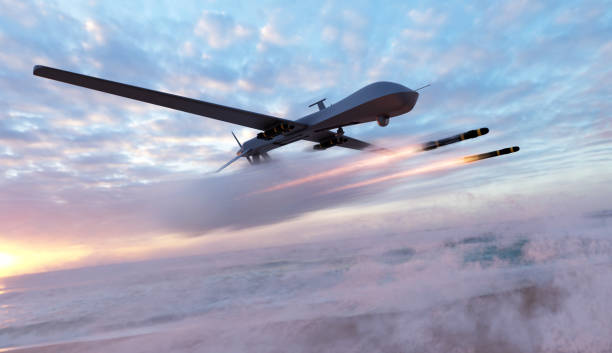
- Reimposed sanctions on Iranian oil exports and financial institutions.
- Expanded support for anti-Iranian militias in Iraq and Syria.
- Cyber operations targeting Iranian nuclear and missile facilities.
- Diplomatic isolation, including restrictions on Iranian officials traveling to international forums.
Despite these measures, Iran has accelerated its uranium enrichment program, raising fears of a potential nuclear breakout. The Gulf states’ intervention may reflect concerns that a U.S. Military strike—while potentially effective in the short term—could lead to prolonged regional instability, benefiting Iran’s rivals like Russia and China.
Trump’s Military Threats: A Pattern of Escalation and Restraint
Trump’s willingness to consider military action against Iran is not new. During his first term, he repeatedly threatened to “wipe Iran off the map” and ordered the assassination of Iranian General Qasem Soleimani in 2020, an act that triggered widespread protests and retaliatory attacks. However, his administration also pursued a “death by a thousand cuts” approach, focusing on sanctions, covert operations, and proxy conflicts rather than direct warfare.
This duality—threatening force while seeking diplomatic avenues—has characterized Trump’s foreign policy. His latest remarks suggest that while he remains prepared to use military force, he is open to exploring alternatives if regional allies present a credible path forward. “We are ready to go forward with a full, large-scale assault if necessary,” Trump stated in a closed-door meeting with lawmakers, according to attendees. “But when the Gulf states came to us and said, ‘Let’s try diplomacy first,’ we listened.”
Note: The exact wording of Trump’s remarks has not been officially confirmed by the White House. This account is based on multiple sources familiar with the discussions.
Who Are the Gulf States Pushing for Diplomacy?
The Gulf states’ intervention is believed to have involved a coordinated effort by Saudi Arabia, the UAE, and possibly Qatar and Oman. These nations have historically taken differing stances on Iran, but recent developments—including the normalization of relations between some Gulf states and Israel—have created an unexpected alignment on the Iran issue.
Saudi Arabia, under Crown Prince Mohammed bin Salman, has been particularly vocal about the dangers of a U.S.-Iran war, arguing that such a conflict would devastate the kingdom’s economy and security. The UAE, while maintaining a more pragmatic approach, has also signaled a preference for de-escalation, particularly as it seeks to diversify its economy away from oil and reduce dependence on regional conflicts.
Qatar, which has historically maintained closer ties with Iran, may have played a behind-the-scenes role in facilitating discussions. Oman, known for its historical role as a mediator in the region, could also have contributed to the Gulf states’ unified stance.
What Are the Next Steps in U.S.-Iran Relations?
With diplomacy now on the table, the question remains: What form could negotiations take, and what are the chances of success? Historically, U.S.-Iran talks have been fraught with distrust, particularly after the 2018 U.S. Withdrawal from the Joint Comprehensive Plan of Action (JCPOA), the nuclear deal brokered under the Obama administration.

Key considerations for any potential negotiations include:
- Nuclear Program: Iran’s insistence on lifting sanctions in exchange for concessions on its nuclear activities remains a major sticking point.
- Regional Influence: The U.S. And Gulf states are likely to demand that Iran reduce its support for militant groups like Hezbollah and the Houthis in Yemen.
- Ballistic Missiles: Iran’s development of long-range missiles, which threaten U.S. Allies in the region, would likely be a major topic of discussion.
- Human Rights: The Trump administration has made no secret of its opposition to Iran’s treatment of political dissidents and minority groups, including the Baloch and Ahwazi populations.
However, skepticism remains high. Iranian Supreme Leader Ayatollah Ali Khamenei has repeatedly rejected direct negotiations with the U.S., calling them “useless” and insisting that any talks must involve all parties to the JCPOA, including Russia and China. Without a clear path to mutual concessions, the current diplomatic pause may prove short-lived.
U.S. Military Posture: How Close Was Iran to a Strike?
While Trump’s remarks suggest a temporary halt to military planning, the U.S. Military has long maintained a robust presence in the Middle East, including:
- Carrier strike groups in the Persian Gulf and Red Sea.
- B-52 bombers and stealth fighters deployed to regional bases.
- Cyber and intelligence units monitoring Iranian nuclear and missile facilities.
- Special operations forces trained for potential strikes on high-value targets.
Analysts estimate that a full-scale U.S. Military assault on Iran would involve:
- Air strikes targeting nuclear facilities, missile sites, and military command centers.
- Cyberattacks to disrupt Iran’s communications and financial systems.
- Naval blockades to cut off oil exports and choke Iran’s economy.
- Potential ground operations in coordination with regional allies.
Such an operation would likely trigger massive Iranian retaliation, including attacks on U.S. Forces in Iraq and Syria, as well as potential strikes on Israeli targets and oil tankers in the Strait of Hormuz. The human and economic cost of such a conflict would be catastrophic, which may explain the Gulf states’ urgency in seeking a diplomatic alternative.
FAQ: What You Need to Know About Trump’s Iran Strategy
1. Has Trump ever authorized military strikes against Iran before?
Yes. In January 2020, Trump ordered the targeted killing of Iranian General Qasem Soleimani in a drone strike at Baghdad International Airport. The operation was widely seen as an escalation of the U.S.-Iran conflict, leading to Iranian missile attacks on U.S. Bases in Iraq.
2. What are the Gulf states’ interests in avoiding war with Iran?
The Gulf states—particularly Saudi Arabia and the UAE—fear that a U.S.-Iran war would lead to retaliatory attacks on their oil infrastructure, destabilize their governments, and prolong regional conflicts like the Yemen war. They also rely on U.S. Military protection against Iranian-backed militias.
3. Could diplomacy actually work this time?
Historically, U.S.-Iran negotiations have failed due to deep mistrust and irreconcilable demands. However, the current diplomatic pause—if genuine—could provide an opportunity for backchannel talks, particularly if mediated by a neutral third party like Oman or Qatar.
4. What would trigger a U.S. Military strike on Iran?
While Trump has not specified a red line, potential triggers could include:
- Iran achieving a nuclear weapons capability.
- Iranian attacks on U.S. Personnel or allies in the region.
- A major escalation in Iran’s support for militant groups.
- Failure of diplomatic efforts after a set deadline.
5. How would a U.S.-Iran war affect global oil markets?
A conflict between the U.S. And Iran would likely disrupt oil supplies from both the Persian Gulf and global markets, leading to sharp price increases. Iran is a major oil exporter, and any disruption to its production or shipping routes would tighten global supplies.
What’s Next? Monitoring the Diplomatic Pause
As of this writing, no official negotiations have been announced, and the Trump administration has not provided a timeline for potential talks with Iran. However, the following developments will be critical to watch:
- Gulf State Statements: Any public endorsement of the diplomatic effort by Saudi Arabia, the UAE, or other Gulf nations could signal seriousness.
- Iranian Response: Tehran has not yet reacted to Trump’s remarks, but any indication of willingness to engage in talks would be a major shift.
- Military Movements: Continued U.S. Military deployments or withdrawals in the region could indicate whether the diplomatic pause is genuine.
- Sanctions Enforcement: The Trump administration’s approach to sanctions—whether tightening or easing—will be a key indicator of its negotiating posture.
- Next White House Briefing: The administration is expected to provide an update on Iran policy in the coming weeks, likely during a press briefing or congressional hearing.
The next confirmed checkpoint for updates on this story is May 25, 2026, when the White House is scheduled to host a briefing on Middle East policy. In the meantime, readers are encouraged to follow official statements from the U.S. State Department and Iranian Foreign Ministry for real-time developments.
This story is developing rapidly. For the latest updates, bookmark this page or subscribe to our Middle East Briefing newsletter. Share your thoughts in the comments below—how do you think this diplomatic pause will unfold?
- Jokowi’s Political Strategy: Power Plays, Data-Driven Decisions, and Regional Influence
- Fix “You Do Not Have Permission” Speed Camera Error
- Trump Slams Iran’s Duplicity and Warns Blockade Will Remain Amid Stalled Talks (world-today-news.com)
- Odesa Attack: 13 Injured as Russian Strike Hits Transport Infrastructure (time.news)