
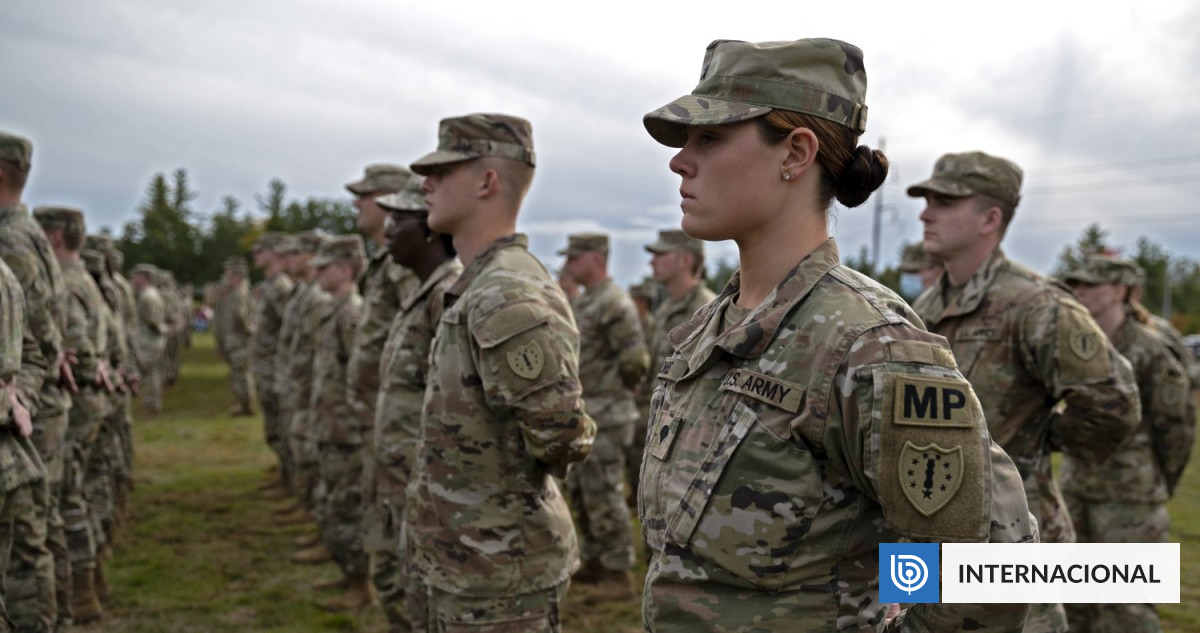
The geopolitical landscape of Western Europe has been shaken by a sudden decision from Washington to scale back its military footprint in Germany. On Friday, May 1, 2026, the Pentagon announced that the United States will withdraw approximately 5,000 troops from the Federal Republic of Germany over the next six to 12 months AP News.
The drawdown is the direct result of an escalating public dispute between U.S. President Donald Trump and German Chancellor Friedrich Merz. The rift centers on the ongoing U.S. Conflict with Iran, with the White House characterizing the move as a response to counterproductive remarks
from Berlin ABC News. This sudden shift in security posture marks a significant tension point within the NATO alliance, signaling a willingness by the U.S. To use military presence as leverage in diplomatic disagreements.
The withdrawal includes at least one brigade combat team, according to Pentagon officials NBC News. While the 5,000-person reduction is a notable blow, it represents a fraction of the total U.S. Force in the country; as of December 2025, the U.S. Maintained more than 36,000 active duty troops at various bases across Germany BBC News.
The Catalyst: A Diplomatic Clash Over Iran
The friction reached a breaking point after Chancellor Friedrich Merz suggested that the United States had been humiliated
by Iranian negotiators BBC News. President Trump responded sharply to these assertions, viewing the German leader’s critique as an interference in U.S. National security strategy. The resulting decision to pull troops is seen by analysts as a punitive measure intended to signal that diplomatic support for U.S. Military actions is a prerequisite for the continued provision of U.S. Security guarantees.
The reaction from Berlin has been one of defiance rather than concession. German Vice Chancellor and SPD co-leader Lars Klingbeil defended Chancellor Merz on Friday, May 1, during a Labor Day event in Bergkamen. Klingbeil pushed back against the White House’s pressure, asserting that the German government does not require guidance from the U.S. President.
Really we don’t need tips from Donald Trump. He should notice the mess he has made. He should ensure that serious peace talks are now conducted in Iran.Lars Klingbeil, German Vice Chancellor
Wider Implications for NATO and European Security
The tension is not confined to Germany. President Trump has indicated that the U.S. May further reduce its military presence across Europe if other allies do not align with Washington’s stance on Iran. On Thursday, April 30, 2026, when asked if he was considering pulling troops out of Italy and Spain, President Trump replied probably
Defense News.
Reports indicate that Trump’s frustration extends to Italy and Spain over their perceived lack of support for the war with Iran and their failure to send naval assets to help open the Strait of Hormuz The Independent. This approach suggests a shift toward a transactional model of alliance management, where the U.S. Military “umbrella” is contingent upon strict policy alignment.
Key Takeaways of the Troop Withdrawal
- Scale of Withdrawal: Approximately 5,000 U.S. Troops will exit Germany within 6 to 12 months.
- Primary Cause: A diplomatic dispute between President Trump and Chancellor Merz over the war with Iran.
- Strategic Impact: The move includes the removal of one brigade combat team, impacting regional readiness.
- Broader Risk: Potential troop cuts in Italy and Spain are being considered by the White House.
- German Response: The German government has remained firm, with Vice Chancellor Klingbeil rejecting U.S. “tips.”
What This Means for the Future of the Alliance
For decades, the U.S. Military presence in Germany served as the cornerstone of the NATO deterrent against Eastern threats. A reduction of 5,000 troops, while not a total exit, creates a precedent for “punitive withdrawals.” This may force European nations to accelerate their own defense spending and strategic autonomy, as the reliability of the U.S. Security guarantee becomes tied to the personal relationship between heads of state.

The immediate impact will be felt at the operational level, as the Pentagon coordinates the logistics of moving a brigade combat team out of the country. Though, the political impact is far more enduring, as it exposes a deep ideological divide between the current U.S. Administration and the leadership of the European Union’s largest economy.
The next critical checkpoint will be the upcoming NATO ministerial meetings, where allies are expected to discuss the stability of troop levels across the continent and the collective response to the crisis in Iran. There is currently no scheduled date for a diplomatic summit between President Trump and Chancellor Merz to resolve the dispute.
World Today Journal encourages readers to share their views on the evolving NATO security architecture in the comments below.