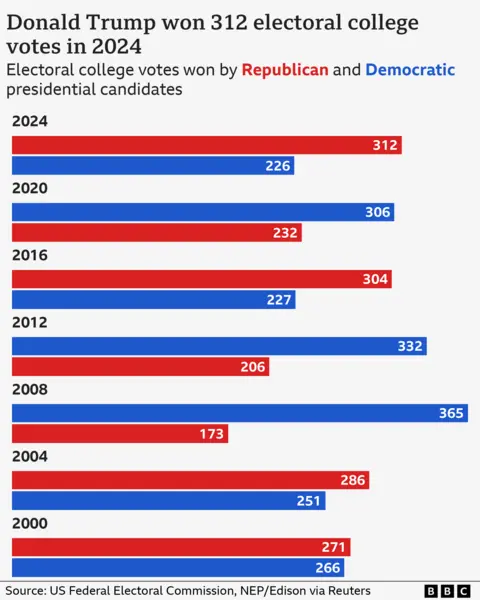
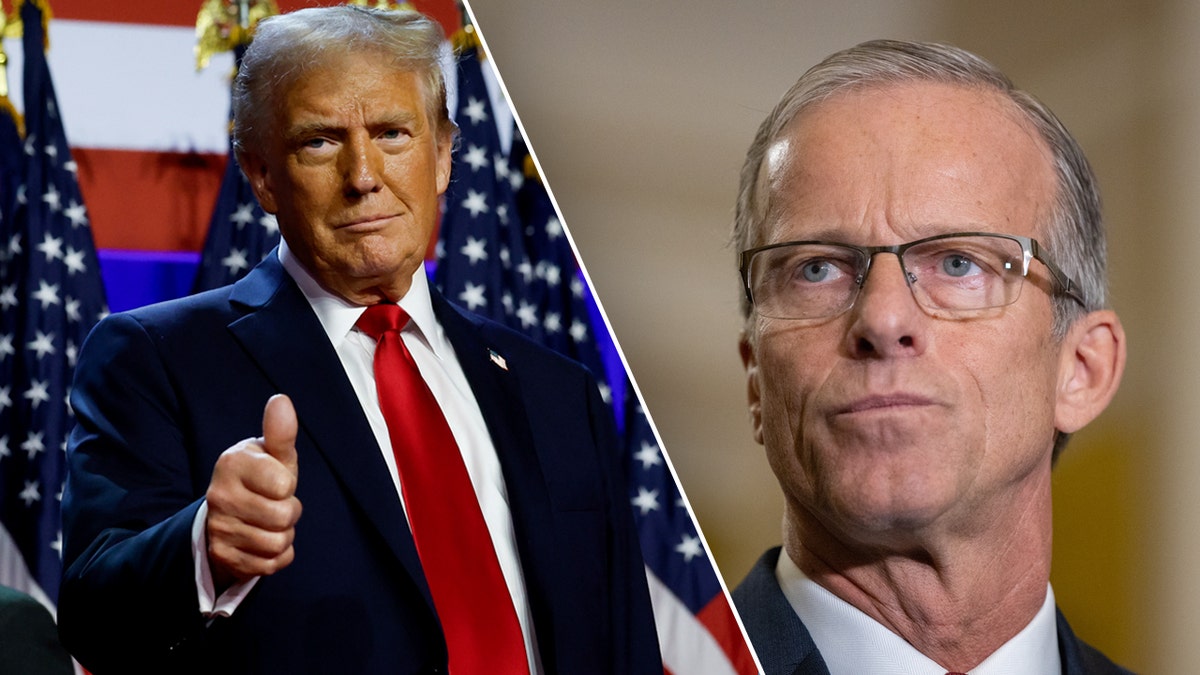
President-elect Donald Trump has increasingly clashed with Senate Majority Leader John Thune and other Republican leadership, creating a public rift that signals potential friction for the incoming administration’s legislative agenda. The tension, which has escalated throughout the transition period, centers on disagreements regarding cabinet appointments, the use of recess appointments, and the degree of deference the Senate should afford the president-elect’s nominees, according to reports from The Wall Street Journal.
This evolving conflict highlights a significant challenge for the Republican Party as it prepares to control both chambers of Congress and the White House in January 2025. While Senator Thune, a Republican from South Dakota, was elected by his colleagues to lead the Senate in November 2024, his focus on maintaining the chamber’s traditional advisory and consent role has drawn criticism from Trump allies who advocate for a more streamlined confirmation process, as noted by Politico.
The Roots of the Legislative Stand-Off
The primary point of contention involves the confirmation of cabinet-level officials. President-elect Trump has publicly pressured the Senate to bypass standard committee vetting procedures to ensure his picks are installed quickly. Senate Republicans, however, have historically prioritized the “advise and consent” function of the chamber, which involves rigorous background checks and public hearings. According to NBC News, several GOP senators have expressed concern that being blindsided by executive demands undermines the independence of the Senate.
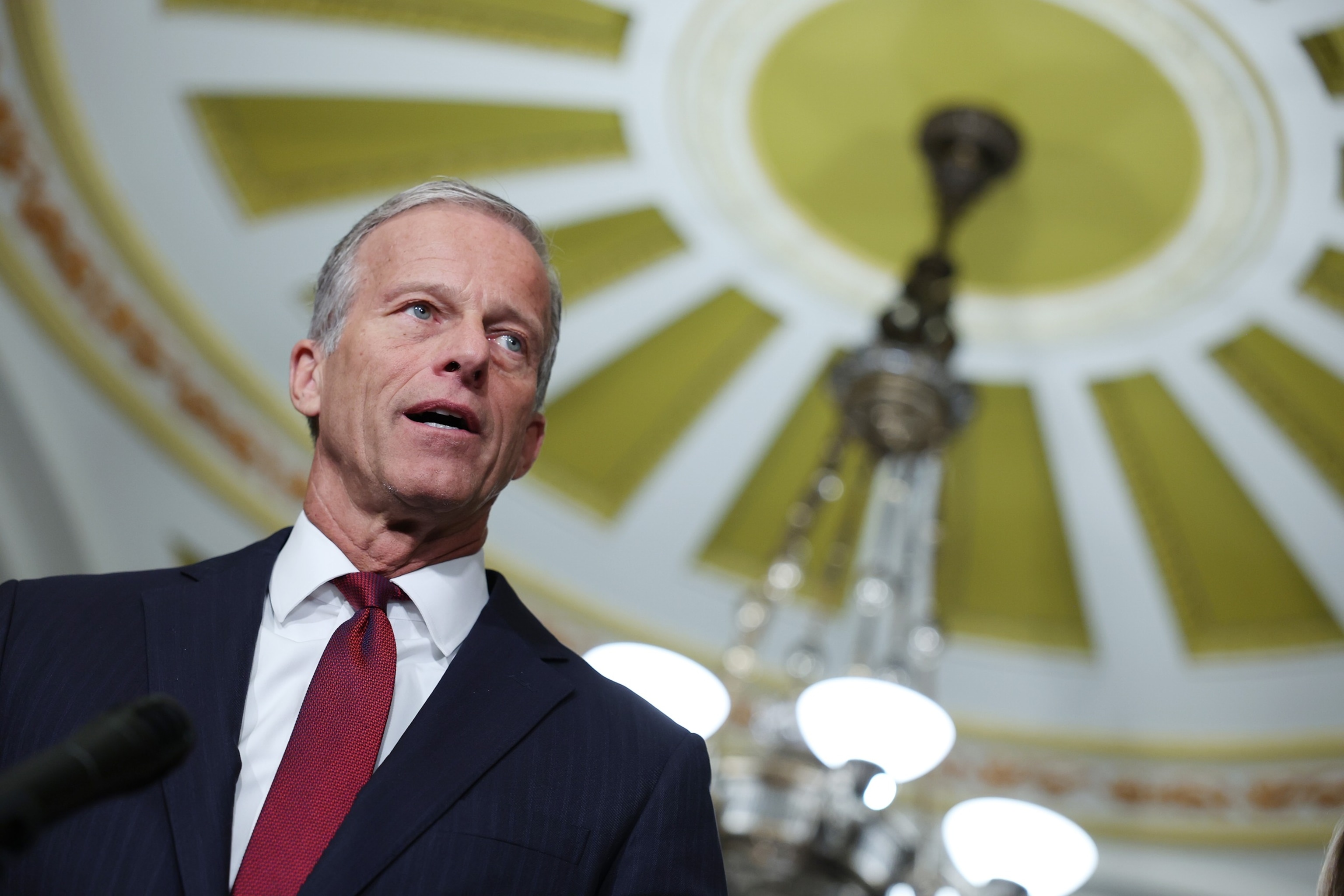
Senator Thune has maintained that the Senate will act on nominations, but he has consistently pushed back against the idea of abandoning confirmation norms entirely. This “no” to bypassing procedural safeguards has created a bottleneck in communication between the Trump transition team and the Senate leadership office. The New York Times reports that this dynamic is complicating the party’s internal unity, as some senators feel caught between their constitutional duties and their political loyalty to the incoming president.
Shifting Dynamics in the Senate GOP
The friction is not limited to leadership. A broader segment of the Senate Republican conference has voiced frustration over the pressure to confirm controversial nominees without the traditional scrutiny. In recent weeks, the debate has centered on the threshold for confirming appointees and whether the Senate should remain in session during the winter break to expedite the process. As reported by The Washington Post, the public nature of these disputes has become a source of internal party embarrassment, with some members concerned that the discord will delay the implementation of the administration’s platform once the term begins.
The following table outlines the key areas of disagreement between the incoming executive administration and the current Senate Republican leadership:
| Issue | Trump Transition Team Stance | Senate Leadership Stance |
|---|---|---|
| Confirmation Speed | Urgent/Immediate | Regular order/Vetting |
| Recess Appointments | Supports if Senate blocks picks | Prefers traditional hearings |
| Senate Independence | Alignment with executive agenda | Constitutional advice and consent |
Why This Matters for the 2025 Agenda
The outcome of this power struggle will determine how efficiently the new administration can seat its cabinet. Historically, the relationship between the White House and the Senate Majority Leader is the primary engine of legislative success. If the current rift continues, it could lead to prolonged vacancies in key departments, including the Department of Justice and the Department of Defense. According to the United States Senate official records, the confirmation process is designed to ensure that nominees meet the requirements of their respective offices, a process that usually takes weeks or months to complete.
Furthermore, the tension serves as a test of Senator Thune’s leadership style. Having succeeded Senator Mitch McConnell, Thune is currently navigating his first major challenge in asserting the Senate’s institutional authority while attempting to maintain a functional working relationship with the incoming president. Observers note that the next few weeks will be critical in establishing the procedural norms for the remainder of the 119th Congress, which is scheduled to convene on January 3, 2025, per the 20th Amendment to the Constitution.
What Happens Next
The next major checkpoint in this developing situation will be the commencement of the Senate confirmation hearings following the official inauguration. Members of the Senate Judiciary Committee and other relevant bodies are expected to begin reviewing the credentials of presidential nominees early in the new year. Whether the Senate leadership yields to demands for accelerated processing or insists on standard committee procedures remains the central question for the upcoming session.
The public is encouraged to monitor updates through the official Senate website for schedules regarding nominations and committee hearings. As the administration prepares for its first 100 days, the ability of both branches to reconcile their procedural differences will likely define the legislative landscape for 2025. Please share your thoughts in the comments section below regarding the balance of power between the executive and legislative branches.
Related reading