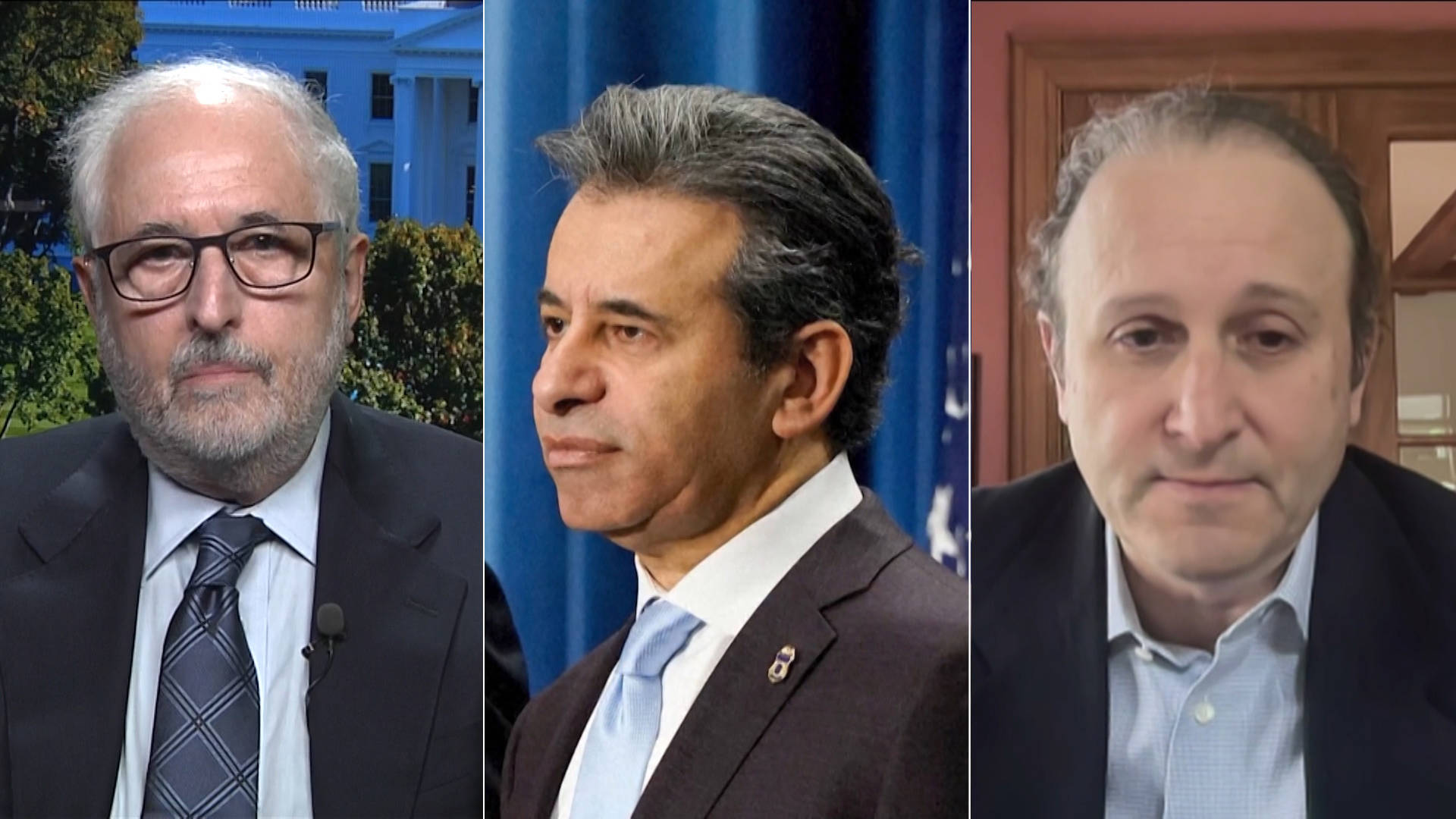
WASHINGTON — Dr. Marty Makary, the controversial commissioner of the U.S. Food and Drug Administration (FDA) under President Donald Trump, has resigned, marking the end of a turbulent 13-month tenure that alienated pharmaceutical executives, anti-abortion activists, and even some White House allies. His departure clears the way for an acting replacement whose lack of scientific background and close ties to the Trump family has already sparked fresh debate over the agency’s future direction.
According to the Associated Press, Makary’s resignation follows months of criticism from health industry leaders, vaping lobbyists, and anti-abortion groups—all of whom accused him of failing to align with their agendas. The FDA, the world’s most powerful drug regulator, now faces an uncertain transition as the White House prepares to install an interim leader with no formal scientific expertise.
The acting commissioner will be a nonscientist friend of Donald Trump Jr., the president’s eldest son, according to sources close to the administration. While the individual has not been publicly named, the move underscores the Trump administration’s ongoing efforts to reshape the FDA’s regulatory approach—particularly in areas like drug approvals, medical device oversight, and public health policies tied to Health and Human Services Secretary Robert F. Kennedy Jr.’s “Make America Healthy Again” initiative.
Why Makary’s Resignation Matters
Makary’s tenure was defined by his attempt to balance two competing visions within the Trump administration: Kennedy Jr.’s push for a more aggressive, politically aligned FDA—one that prioritized rapid drug approvals, skepticism of mainstream vaccines, and closer ties to alternative medicine advocates—and the traditional regulatory approach favored by pharmaceutical companies and public health experts.
Yet neither faction was satisfied. Pharmaceutical CEOs criticized Makary for delays in approving new treatments, while anti-abortion activists accused him of weakening oversight on emergency contraceptives. Even within the White House, his leadership was seen as too cautious—particularly after he resisted calls to fast-track unproven therapies for chronic diseases.
“The FDA is at a crossroads,” said one former agency official, speaking on condition of anonymity. “Makary tried to walk a tightrope, but the rope snapped.” The official added that the agency’s reputation for scientific rigor has been eroded under recent leadership, with critics arguing that political influence has outweighed evidence-based decision-making.
Who Replaces Makary? The Controversial Choice
The White House has not yet announced the name of Makary’s replacement, but reports indicate the acting commissioner will be a longtime associate of Donald Trump Jr., a figure with no formal background in medicine, pharmacology, or public health. The selection has raised alarms among scientists and patient advocacy groups, who warn that the FDA’s credibility could suffer further without a leader with deep expertise in drug safety and medical research.
Trump Jr. Himself has been vocal about his father’s skepticism toward conventional medicine, including remarks questioning the efficacy of certain vaccines and promoting alternative treatments. While the acting commissioner’s role is temporary, the appointment signals a potential shift toward greater integration of alternative medicine into FDA decision-making—a priority for Kennedy Jr. And some Trump allies.
What Happens Next? The FDA’s Uncertain Future
The resignation comes as the FDA faces multiple high-stakes challenges, including:

- Drug approval backlogs: The agency has delayed hundreds of drug reviews under Makary’s leadership, raising concerns about patient access to life-saving therapies.
- Vaping and youth tobacco policies: The FDA’s crackdown on e-cigarette marketing has faced legal challenges from the vaping industry, with some lawmakers calling for weaker regulations.
- Abortion pill access: The FDA’s decision to expand access to mifepristone (a key abortion medication) has sparked legal battles, with anti-abortion groups demanding stricter controls.
- Biotech innovation: Startups and modest pharma companies have complained about lengthy review processes, arguing that bureaucratic hurdles are stifling medical breakthroughs.
The next FDA commissioner—whether permanent or acting—will need to address these issues while navigating the administration’s broader health policy goals. Kennedy Jr., a longtime critic of the pharmaceutical industry, has pushed for faster approvals of unproven treatments and greater scrutiny of vaccine mandates. However, his proposals have faced pushback from public health experts who warn of compromising patient safety.
Key Takeaways
- Makary’s resignation ends a divisive era at the FDA, but his replacement’s lack of scientific background raises concerns about regulatory independence.
- Political influence over drug approvals and public health policies appears to be growing under the Trump administration.
- Stakeholders are divided: Pharma companies want faster approvals; activists want stricter oversight; and patients fear delays in critical treatments.
- The FDA’s reputation is at risk if the new acting leader lacks credibility with the scientific community.
- Legal battles loom over abortion pill access, vaping regulations, and vaccine policies.
What to Watch: Next Steps for the FDA
The White House has not set a timeline for naming a permanent FDA commissioner, but observers expect an announcement within the next 30 days. In the meantime, the acting leader will oversee:
- Ongoing reviews of dozens of pending drug applications, including treatments for Alzheimer’s, cancer, and rare diseases.
- Final decisions on youth vaping policies, with potential legal challenges from the industry.
- Further actions on vaccine mandates, particularly for COVID-19 boosters and new respiratory viruses.
- Potential revisions to abortion pill regulations, following recent court rulings.
The FDA’s next moves will be closely watched by investors, patients, and global regulators. With the agency’s 115-year history of balancing innovation with safety, the stakes could not be higher.
What do you think? Should the FDA prioritize faster drug approvals or stricter safety reviews? Share your views in the comments below.
Stay informed: Follow official FDA updates and White House health announcements for the latest developments.