
Berlin, Germany — Neuroscientists are sounding the alarm about the devastating effects of chronic sleep deprivation, comparing the cognitive impairment from just four hours of sleep to the mental fog induced by consuming six alcoholic beverages. The warning comes as global sleep studies reveal alarming trends in insufficient rest—with nearly one-third of adults failing to meet recommended sleep durations, placing them at heightened risk for accidents, chronic diseases, and accelerated cognitive decline.
Dr. Elena Martinez, a sleep specialist at the Max Planck Institute for Psychiatry, explains that sleep deprivation doesn’t just make you feel tired—it fundamentally alters brain function in ways that mimic alcohol intoxication. “When you operate on four hours of sleep, your reaction time slows, your decision-making deteriorates, and your ability to process information becomes as impaired as someone with a blood alcohol concentration of 0.10%,” she states. This level of impairment is legally considered intoxicated in many countries and significantly increases the risk of workplace accidents, motor vehicle collisions, and occupational errors.
The comparison to alcohol consumption isn’t metaphorical. Research published in Sleep Medicine Reviews demonstrates that sleep deprivation disrupts the prefrontal cortex—the brain region responsible for executive functions—similarly to alcohol. Both conditions reduce gray matter volume, impair working memory, and increase impulsivity. What’s more concerning is that these effects compound over time, with chronic sleep deprivation accelerating the onset of neurodegenerative conditions like Alzheimer’s disease.
—Dr. Elena Martinez, Max Planck Institute for Psychiatry
How Sleep Deprivation Mirrors Alcohol Intoxication
To understand why four hours of sleep affects the brain like six beers, we need to examine how both substances impair cognitive function:
- Reaction Time: Studies from the University of Pennsylvania show that 17 hours awake produces impairment equivalent to a 0.05% blood alcohol level—above the legal limit in many jurisdictions. Four hours of sleep (equivalent to 24 hours awake for most people) pushes impairment closer to 0.10%.
- Working Memory: Alcohol disrupts the hippocampus, while sleep deprivation reduces hippocampal neurogenesis—the brain’s ability to form new memories. Both conditions lead to similar deficits in recall and spatial navigation.
- Impulse Control: The prefrontal cortex, which governs judgment and self-regulation, is particularly vulnerable to both alcohol and sleep loss. This explains why sleep-deprived individuals are more likely to engage in risky behaviors, from reckless driving to poor financial decisions.
- Emotional Regulation: Sleep deprivation amplifies the amygdala’s reactivity, much like alcohol does, making individuals more prone to emotional outbursts and irritability.
What makes this comparison particularly alarming is that alcohol’s effects are temporary—once metabolized, the brain begins to recover. Sleep deprivation, however, leaves lasting damage. A 2023 study in Nature Reviews Neuroscience found that chronic sleep restriction leads to structural changes in the brain, including reduced gray matter in the prefrontal cortex and hippocampus, areas critical for cognition and memory.
The Science Behind the Sleep-Alcohol Link
The brain’s response to sleep deprivation involves several key mechanisms:
- Accumulation of Adenosine: Adenosine, a neurotransmitter that promotes sleep, builds up in the brain during wakefulness. When sleep is insufficient, adenosine levels remain elevated, slowing neural activity and creating a foggy, alcohol-like mental state.
- Disruption of GABA: Gamma-aminobutyric acid (GABA), the brain’s primary inhibitory neurotransmitter, is suppressed during sleep deprivation. Alcohol also enhances GABA activity, leading to sedation and impaired coordination.
- Glucose Metabolism: Both alcohol and sleep deprivation reduce glucose metabolism in the prefrontal cortex, impairing its ability to process information efficiently.
- Inflammation: Chronic sleep loss triggers pro-inflammatory cytokines, which further impair brain function and contribute to long-term cognitive decline.
Dr. Martinez emphasizes that the effects aren’t just about feeling tired. “The brain doesn’t just ‘power down’ during sleep—it actively repairs itself. Without adequate rest, the brain’s waste-clearance system, the glymphatic pathway, becomes overwhelmed, leading to the accumulation of toxic proteins like beta-amyloid, which are linked to Alzheimer’s disease.”
Key Findings from Recent Sleep Research:
- Sleeping less than 6 hours increases the risk of heart disease by 48% and stroke by 15%.
- Chronic sleep deprivation accelerates cellular aging by shortening telomeres, the protective caps on chromosomes.
- Young adults who sleep less than 7 hours have a 2.5x higher risk of developing depression.
- Shift workers with consistent sleep disruption show brain atrophy similar to early-stage dementia.
Public Health Crisis: The Global Sleep Deficit
The World Health Organization (WHO) has classified insufficient sleep as a public health priority, with nearly 90% of the global population failing to meet recommended sleep durations. In Europe alone, the economic cost of sleep-related productivity losses exceeds $100 billion annually, according to the European Foundation for the Improvement of Living and Working Conditions.
Dr. Martinez notes that the problem is particularly acute among young professionals, who often sacrifice sleep for career advancement. “The pressure to perform in high-stakes environments—whether in healthcare, finance, or tech—has created a culture where sleep is seen as a luxury rather than a necessity,” she says. “But the data is clear: the brain cannot function optimally without adequate rest.”
To combat this trend, public health initiatives are increasingly focusing on sleep education. In Germany, for example, the Federal Ministry of Health has launched “Sleep as a Vital Sign” campaigns, encouraging employers to promote sleep-friendly workplace policies, such as flexible schedules and designated nap rooms.
Who Is Most at Risk?
While sleep deprivation affects everyone, certain groups are particularly vulnerable:

- Shift Workers: Nurses, doctors, and factory employees on rotating shifts are at high risk for chronic sleep disruption, which studies link to increased rates of obesity, diabetes, and cardiovascular disease.
- Teens and Young Adults: The adolescent brain requires 9–10 hours of sleep for optimal development, yet only 30% of teenagers meet this need, according to the CDC. Chronic sleep deprivation in this age group is associated with poor academic performance and higher rates of mental health disorders.
- Older Adults: While older individuals typically need slightly less sleep, those with less than 6 hours experience a 30% faster decline in cognitive function, per research from the Boston University School of Medicine.
- Parents of Infants: New mothers and fathers often experience fragmented sleep, which studies show can lead to elevated cortisol levels and weakened immune responses.
Practical Solutions: How to Reclaim Your Sleep
Given the severity of the risks, what can individuals do to protect their cognitive health? Experts recommend a multi-pronged approach:
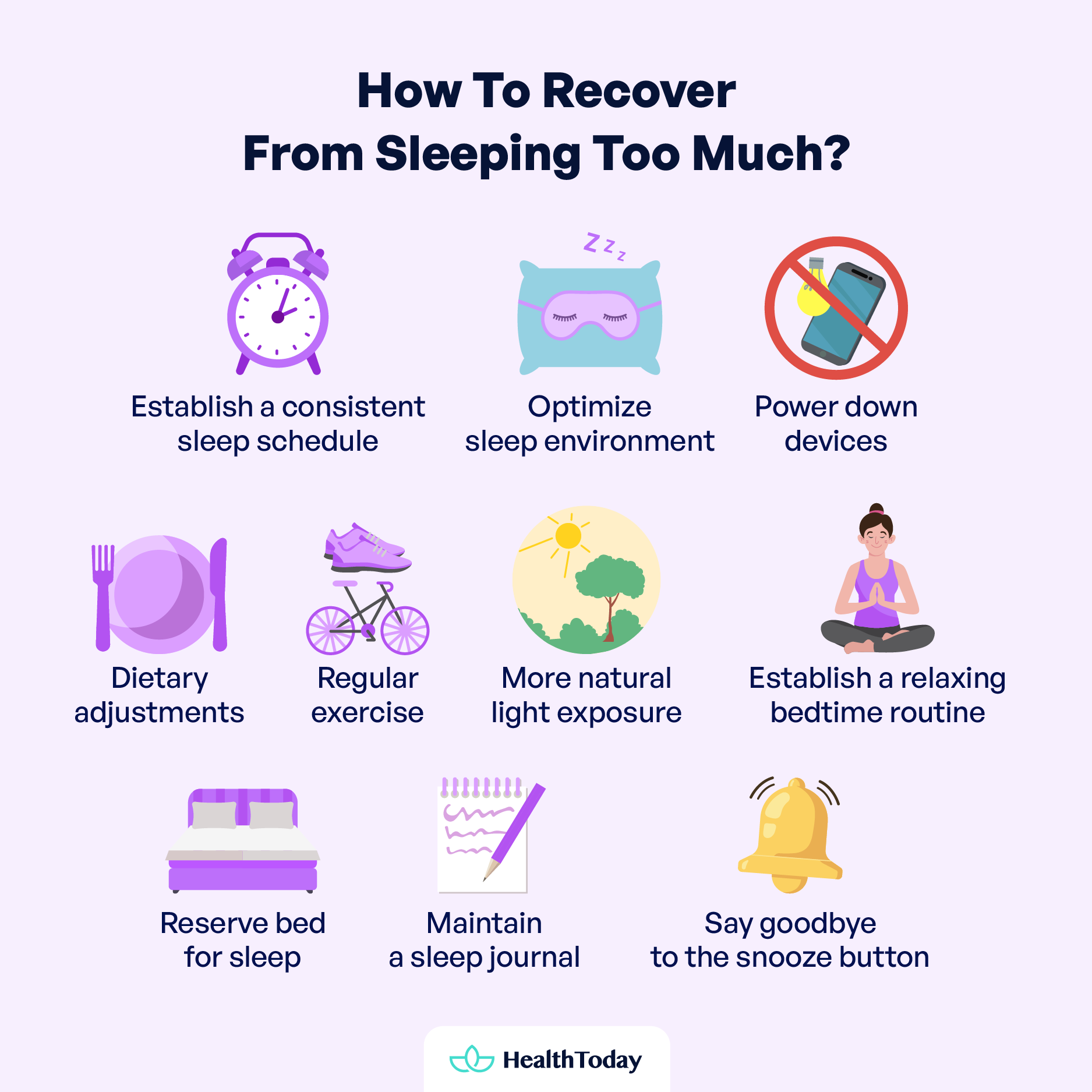
- Prioritize Consistency: Aim for the same bedtime and wake-up time, even on weekends. This regulates your circadian rhythm, making it easier to fall and stay asleep.
- Optimize Your Sleep Environment: Keep your bedroom cool (around 18°C or 65°F), dark, and quiet. Invest in a comfortable mattress and pillows that support proper spinal alignment.
- Limit Screen Time Before Bed: Blue light from phones and computers suppresses melatonin production, delaying sleep onset. Try to avoid screens at least 1 hour before bed.
- Watch Your Diet: Avoid heavy meals, caffeine, and alcohol close to bedtime. Caffeine can linger in your system for 6–8 hours, while alcohol disrupts REM sleep, the stage most critical for memory consolidation.
- Exercise Regularly: Physical activity promotes deeper sleep, but avoid intense workouts within 3 hours of bedtime, as they can elevate body temperature and keep you awake.
- Manage Stress: Techniques like meditation, deep breathing, or journaling can reduce anxiety and improve sleep quality. Consider apps like Headspace or Calm for guided relaxation.
For those struggling with chronic insomnia or sleep disorders, Dr. Martinez advises consulting a sleep specialist. “Conditions like sleep apnea, restless legs syndrome, and circadian rhythm disorders often go undiagnosed but can severely disrupt sleep,” she warns. “Treatment options range from CPAP therapy to behavioral interventions like cognitive behavioral therapy for insomnia (CBT-I).”
Key Takeaways: Protecting Your Brain from Sleep Deprivation
- Four hours of sleep impairs cognitive function similarly to consuming six alcoholic beverages, increasing accident risk and poor decision-making.
- Chronic sleep deprivation accelerates brain aging, increasing the risk of neurodegenerative diseases like Alzheimer’s.
- The global sleep deficit costs economies $100 billion annually in lost productivity, with nearly 90% of the population failing to meet recommended sleep durations.
- Shift workers, teens, and older adults are highest-risk groups for sleep-related health consequences.
- Simple habits like consistent sleep schedules, screen-free bedtime routines, and stress management can significantly improve sleep quality.
- Undiagnosed sleep disorders (e.g., sleep apnea) often worsen sleep deprivation—seek professional help if sleep issues persist.
Looking Ahead: The Future of Sleep Science
As research into sleep deepens, scientists are exploring innovative solutions to combat the global sleep crisis. One promising area is circadian lighting, where artificial light is adjusted to mimic natural daylight cycles, helping regulate sleep-wake patterns in indoor environments. Companies like Circl are already integrating this technology into office and home lighting systems.

Another frontier is personalized sleep medicine, where genetic testing and wearable devices (like Whoop or Oura Ring) provide real-time feedback on sleep quality and offer tailored recommendations. “The future of sleep health lies in precision medicine—understanding how an individual’s genetics, lifestyle, and environment interact to optimize their rest,” says Dr. Martinez.
Public policy is also evolving. In 2025, the European Parliament passed a resolution encouraging member states to implement sleep-friendly workplace policies, including mandatory nap breaks for shift workers and limits on after-hours emails. While not yet legally binding, the resolution signals a growing recognition of sleep as a critical component of public health.
What You Can Do Next
The next step in protecting your cognitive health is simple: prioritize sleep. Start tonight by setting a bedtime alarm and creating a wind-down routine. If you’re concerned about chronic sleep issues, consult a healthcare provider or sleep specialist. Share your experiences in the comments—have you noticed changes in your cognition or mood when you don’t get enough sleep?
For further reading, explore these resources:
- Sleep Foundation – Evidence-based sleep education
- NIH Sleep Disorders – Research and treatment options
- WHO Sleep Guidelines – Global health recommendations
Dr. Helena Fischer is a physician and health journalist with an MD from Charité – Universitätsmedizin Berlin. She specializes in public health communication and has covered medical innovation for over a decade. Follow her work on Twitter.