Turtle Beach Unveils Revolutionary Wireless Gaming Mouse with Side-Mounted Touchscreen
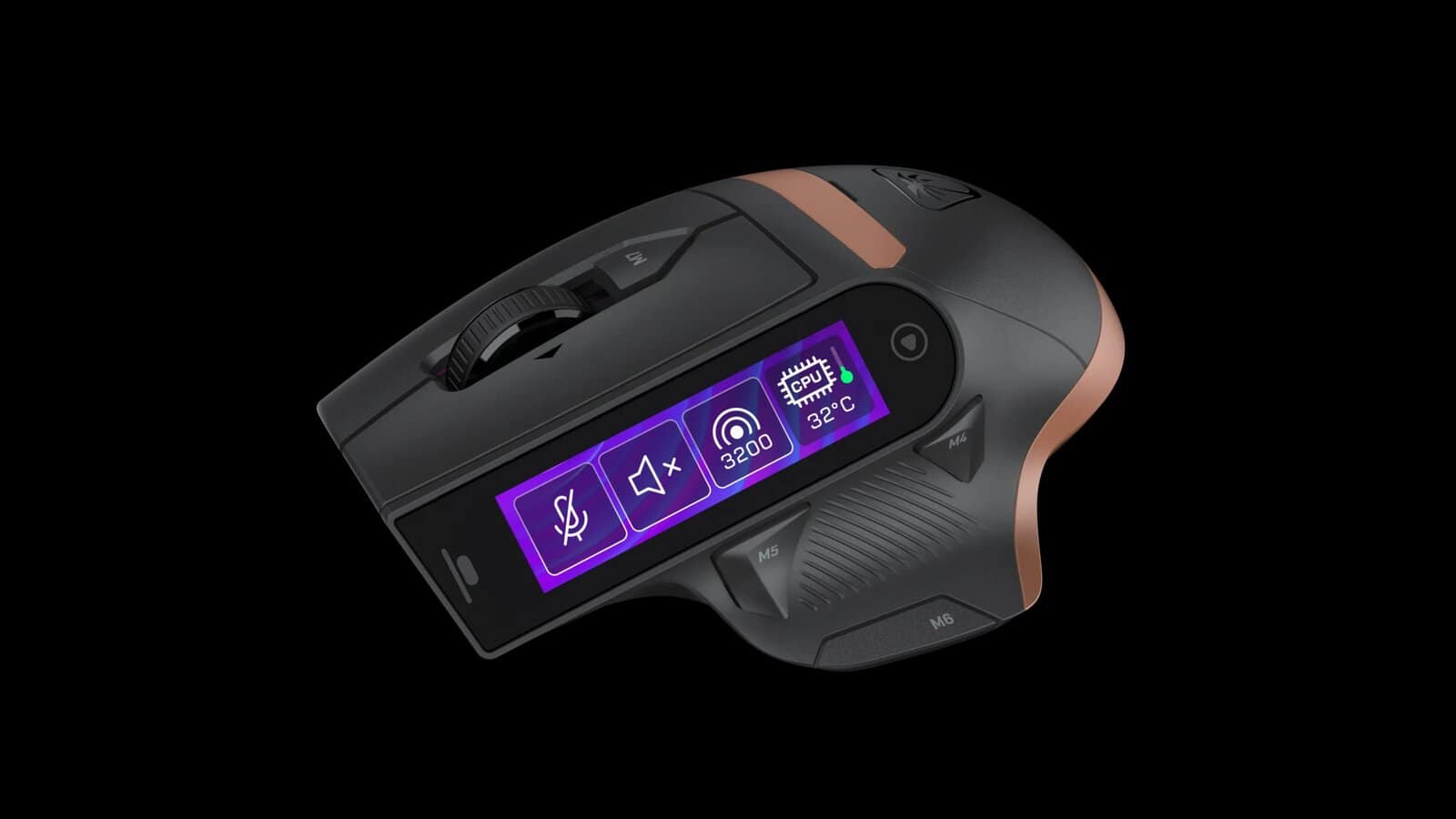
In a bold move that blurs the line between gaming peripherals and smart devices, Turtle Beach has launched the Command Series MC7, a wireless gaming mouse featuring a 2.25-inch touchscreen integrated into its left side. The innovative design, announced on April 28, 2026, promises to redefine how gamers interact with their setups, offering unprecedented control over in-game actions, streaming tools, and system monitoring—all without lifting a hand from the mouse. As a technology journalist with a background in software engineering, I’ve seen my share of gaming mice, but this one stands out as a genuine leap forward—or a potential misstep, depending on who you ask.
The MC7 isn’t just another high-DPI mouse with RGB lighting. It’s part of Turtle Beach’s new Command Series, a lineup of high-end peripherals designed to give gamers and streamers a competitive edge. The touchscreen, which replaces the traditional array of side buttons, is the star of the show. It’s a feature that could either revolutionize gaming workflows or prove to be an overengineered distraction—opinions are already divided in the tech community.
For now, the MC7 is available for pre-order at a price of $159.99, with an anticipated shipping date of July 19, 2026. That’s a premium price tag, even for a flagship gaming mouse, but Turtle Beach is betting that the touchscreen’s versatility will justify the cost. Let’s dive into what makes this mouse unique, who it’s for, and whether it’s worth the hype.
The Touchscreen: A Game-Changer or a Gimmick?
The MC7’s most striking feature is its 2.25-inch touchscreen, which sits flush against the mouse’s left side, replacing the typical cluster of programmable buttons. According to Turtle Beach’s official product page, the touchscreen is designed to put “essential commands directly at your fingertips,” allowing users to adjust DPI settings, switch profiles, trigger macros, and even control OBS (Open Broadcaster Software) or other streaming apps without breaking focus from the game.
This isn’t the first time a gaming mouse has experimented with a screen. Logitech’s G903 and Razer’s Naga Pro have both included small OLED displays for quick settings adjustments, but the MC7’s touchscreen is significantly larger and more interactive. It’s as well the first to fully replace side buttons, which could be a double-edged sword for gamers who rely on tactile feedback.
So, what can you actually do with this touchscreen? The possibilities are extensive, but here’s a breakdown of its core functionalities, as outlined by Turtle Beach:

- DPI and Profile Control: Adjust sensitivity on the fly or switch between up to five onboard profiles without opening software.
- Macros and App Shortcuts: Assign macros, app shortcuts, or even launch games directly from the screen.
- Streaming Controls: Built-in compatibility with OBS and Streamlabs allows users to start/stop streams, switch scenes, or mute their microphone without alt-tabbing.
- System Monitoring: Display real-time telemetry, such as CPU/GPU temperatures, RAM usage, or frame rates, so you can preserve an eye on performance without leaving your game.
- Audio and Communication: Quickly adjust volume, mute/unmute, or switch audio devices.
- RGB Customization: Leverage the touchscreen to tweak lighting effects or sync them with other peripherals via Turtle Beach’s Swarm II software.
On paper, this sounds like a dream for competitive gamers and streamers who necessitate quick access to multiple functions. But not everyone is convinced. Critics, including some reviewers at PC Gamer, have raised concerns about the practicality of a touchscreen on a gaming mouse. One reviewer noted that the idea of “continually running my thumb along a smooth, grease-displaying glass surface” is enough to induce “small palpitations,” even as others question whether the screen is truly useful when gamers typically operate mice by experience rather than sight. There’s also the issue of durability—touchscreens are prone to smudges, scratches, and wear over time, which could be a dealbreaker for a device that’s meant to withstand intense gaming sessions.
Under the Hood: Performance and Design
Beyond the touchscreen, the MC7 is packed with high-end hardware that positions it as a serious contender in the premium gaming mouse market. Here’s a closer gaze at its key specifications:
- Sensor: The MC7 features Turtle Beach’s Owl-Eye 30K optical sensor, which promises precise tracking on virtually any surface. For comparison, most gaming mice top out at 16,000–20,000 DPI, so the MC7’s sensor is among the most sensitive on the market.
- Polling Rate: The mouse supports true 8K polling (8,000 Hz) when used with its 2.4GHz wireless dongle, delivering ultra-low latency of just 0.125ms. This is up to eight times faster than standard gaming mice, which typically operate at 1,000 Hz. For competitive gamers, this could mean the difference between landing a headshot and missing entirely.
- Switches: The MC7 uses Titan Optical Switches for its primary buttons, which Turtle Beach claims offer “instant actuation and durability.” Optical switches are known for their longevity and resistance to double-clicking issues, a common problem with mechanical switches in gaming mice.
- Scroll Wheel: The Adaptive 4D Scroll Wheel can switch between tactile steps and smooth free-spinning modes, and it also registers left and right clicks when nudged. This versatility makes it useful for everything from precise weapon switching in first-person shooters to scrolling through long documents.
- Connectivity: The MC7 offers tri-mode connectivity, allowing users to switch seamlessly between 2.4GHz wireless (via the included dongle), Bluetooth, and wired USB modes. This makes it a versatile option for both gaming rigs and work PCs.
- Battery Life: The mouse features a 24/7 power system with dual hot-swappable batteries, each lasting up to 15 hours on a single charge. The included charging dock ensures you can swap batteries without interrupting your gaming session.
- Onboard Customization: The MC7 can store up to 33 functions and five profiles onboard, so your settings are available even when you’re using the mouse on a different PC.
In terms of design, the MC7 follows a classic ergonomic shape, with a contoured body that’s comfortable for right-handed users. The left side, where the touchscreen is located, is slightly raised to accommodate the display, which could take some getting used to for gamers accustomed to flatter mice. The mouse also features RGB lighting, which can be customized via the Swarm II software.
One of the MC7’s most practical features is its hot-swappable battery system. Unlike most wireless mice, which require you to pause your game to recharge, the MC7 comes with two batteries and a charging dock. When one battery runs low, you can swap it out for the second one without missing a beat. This is a game-changer for streamers and competitive gamers who can’t afford downtime.
Who Is the MC7 For?
The MC7 isn’t a mouse for casual gamers or budget-conscious buyers. With a pre-order price of $159.99, it’s one of the most expensive gaming mice on the market, rivaling high-end offerings from Logitech, Razer, and SteelSeries. So, who is Turtle Beach targeting with this release?
- Competitive Gamers: The MC7’s 8K polling rate, 30K DPI sensor, and optical switches build it a strong choice for esports players who need every possible advantage. The touchscreen’s ability to display real-time performance metrics (like frame rates or CPU temperatures) could also be useful for players who seek to monitor their system’s health during matches.
- Streamers and Content Creators: The built-in OBS and Streamlabs compatibility is a major selling point for streamers. Being able to control your stream, adjust audio settings, or trigger macros without alt-tabbing could save valuable time and reduce distractions during broadcasts. The touchscreen’s ability to display chat or donation alerts is another potential perk for content creators.
- MMO and MOBA Players: Games like World of Warcraft, League of Legends, and Final Fantasy XIV often require dozens of keybinds, which can be difficult to manage with a standard mouse. The MC7’s touchscreen could serve as a dynamic command center, allowing players to assign and access a large number of macros and shortcuts without cluttering their keyboard.
- Tech Enthusiasts: Even if you’re not a hardcore gamer, the MC7’s touchscreen and customization options make it an intriguing option for tech enthusiasts who enjoy tinkering with their peripherals. The ability to display system stats, control smart home devices, or even use it as a secondary screen for notifications could appeal to power users.
That said, the MC7 isn’t for everyone. Gamers who prefer a minimalist setup or those who rely heavily on tactile feedback might find the touchscreen more of a hindrance than a help. There’s also the question of whether the screen will hold up over time, especially for users who game for hours on end. And at $160, it’s a significant investment—one that might be hard to justify unless you’re certain you’ll use the touchscreen’s advanced features.
How Does the MC7 Compare to the Competition?
The MC7 enters a crowded market for high-end gaming mice, where it will compete with established players like Logitech, Razer, and SteelSeries. Here’s how it stacks up against some of its closest rivals:
| Feature | Turtle Beach MC7 | Logitech G903 | Razer Naga Pro | SteelSeries Aerox 9 |
|---|---|---|---|---|
| Touchscreen | 2.25-inch, full-color | Small OLED display | No | No |
| Sensor | Owl-Eye 30K | HERO 25K | Focus Pro 30K | TrueMove Air 18K |
| Polling Rate | 8K (0.125ms latency) | 1K–4K (adjustable) | 8K (0.125ms latency) | 1K |
| Switches | Titan Optical | Omron mechanical | Optical | Omron mechanical |
| Connectivity | 2.4GHz, Bluetooth, USB | 2.4GHz, Bluetooth, USB | 2.4GHz, Bluetooth, USB | 2.4GHz, Bluetooth |
| Battery Life | 15 hours per battery (hot-swappable) | 140 hours (rechargeable) | 150 hours (rechargeable) | 180 hours (rechargeable) |
| Price | $159.99 | $149.99 | $149.99 | $159.99 |
| Best For | Streamers, MMO players, tech enthusiasts | Competitive gamers, esports | MMO/MOBA players | MMO players, ergonomic comfort |
As the table shows, the MC7’s biggest differentiator is its touchscreen, which sets it apart from competitors like the Logitech G903 and Razer Naga Pro. However, those mice have their own strengths, such as longer battery life (in the case of the Razer Naga Pro) or a more established reputation in the esports scene (Logitech). The MC7’s 8K polling rate and 30K DPI sensor are on par with the best in the industry, but its 15-hour battery life is significantly shorter than some alternatives—though the hot-swappable battery system helps mitigate this drawback.
the MC7’s success will hinge on whether gamers see the touchscreen as a valuable addition or an unnecessary complication. For streamers and MMO players, it could be a game-changer. For competitive FPS players, it might be overkill—or even a distraction.
The Verdict: Innovation or Overkill?
Turtle Beach’s Command Series MC7 is undeniably innovative. The integration of a 2.25-inch touchscreen into a gaming mouse is a bold move, and if executed well, it could redefine how gamers interact with their setups. The mouse’s 8K polling rate, 30K DPI sensor, and hot-swappable batteries are all top-tier features that make it a compelling option for serious gamers and content creators.
However, innovation doesn’t always translate to practicality. The touchscreen, while versatile, may prove to be more of a gimmick than a necessity for many users. The idea of constantly cleaning a greasy screen or accidentally triggering macros mid-game is enough to give some gamers pause. There’s also the matter of price: at $159.99, the MC7 is a significant investment, and it’s not clear whether the touchscreen justifies the premium.
For now, the MC7 is available for pre-order, with shipping expected to begin on July 19, 2026. If you’re a streamer, MMO player, or tech enthusiast who loves customization, it might be worth the wait. For everyone else, it’s a fascinating experiment—one that could either set a new standard for gaming mice or fade into obscurity as a well-intentioned but impractical novelty.
One thing is certain: the MC7 has sparked a conversation about the future of gaming peripherals. Whether it’s a glimpse of what’s to come or a cautionary tale remains to be seen. We’ll be keeping a close eye on reviews and user feedback once the mouse hits the market later this year.
Key Takeaways
- The Turtle Beach Command Series MC7 is a wireless gaming mouse with a 2.25-inch touchscreen integrated into its left side, replacing traditional side buttons.
- The touchscreen allows users to control DPI settings, macros, streaming apps (like OBS), system telemetry, and more without breaking focus from their game.
- The mouse features a 30K DPI sensor, 8K polling rate (0.125ms latency), optical switches, and tri-mode connectivity (2.4GHz, Bluetooth, USB).
- It includes hot-swappable batteries with up to 15 hours of battery life each, along with a charging dock for uninterrupted gaming.
- The MC7 is priced at $159.99 and is available for pre-order, with shipping expected to begin on July 19, 2026.
- Target audiences include competitive gamers, streamers, MMO/MOBA players, and tech enthusiasts, though its practicality may vary depending on individual preferences.
- The mouse faces stiff competition from established brands like Logitech, Razer, and SteelSeries, which offer similar performance without the touchscreen.
What’s Next?
Turtle Beach has not announced any additional products in the Command Series beyond the MC7, but given the lineup’s focus on high-end peripherals, it’s likely that we’ll see more touchscreen-equipped devices in the future. For now, all eyes are on the MC7’s performance once it hits the market in July. Early adopters and reviewers will be the first to test whether the touchscreen lives up to its promise—or whether it’s a feature that gamers can live without.
If you’re considering pre-ordering the MC7, keep an eye on official updates from Turtle Beach and hands-on reviews from trusted tech outlets. And if you’ve already made up your mind, let us know in the comments: Is the touchscreen a game-changer, or is it just another flashy gimmick? Share your thoughts below, and don’t forget to follow World Today Journal for more tech news and reviews.