Global Economic Shockwaves From U.S.-Iran Conflict: Why America Remains Relatively Unscathed
As the world grapples with the economic fallout of the escalating conflict between the United States and Iran, a striking paradox has emerged: while global markets reel from volatility, the U.S. Economy appears to be weathering the storm with surprising resilience. This divergence has sparked intense debate among economists, policymakers, and investors, who are closely monitoring the geopolitical and financial ripple effects of a war that has reshaped energy markets, disrupted supply chains, and triggered a wave of uncertainty across continents.
The conflict, which intensified in early 2026 following a series of military strikes and retaliatory measures, has sent shockwaves through global trade, particularly in sectors reliant on stable energy supplies and secure shipping routes. Yet, despite the turmoil, the U.S. Has managed to insulate itself from the worst economic consequences, raising questions about the structural advantages of its economy—and the vulnerabilities of others. Analysts warn that the longer the conflict persists, the greater the risk of a prolonged global downturn, with developing nations and energy-dependent economies bearing the brunt of the damage.
In this report, we examine the economic dimensions of the U.S.-Iran conflict, exploring why America has so far avoided the severe disruptions felt elsewhere, the sectors most affected globally, and the long-term implications for international trade and financial stability. Drawing on verified data, expert analysis, and official statements, we provide a comprehensive overview of a crisis that is reshaping the global economic landscape.
The Conflict’s Economic Toll: A Global Snapshot
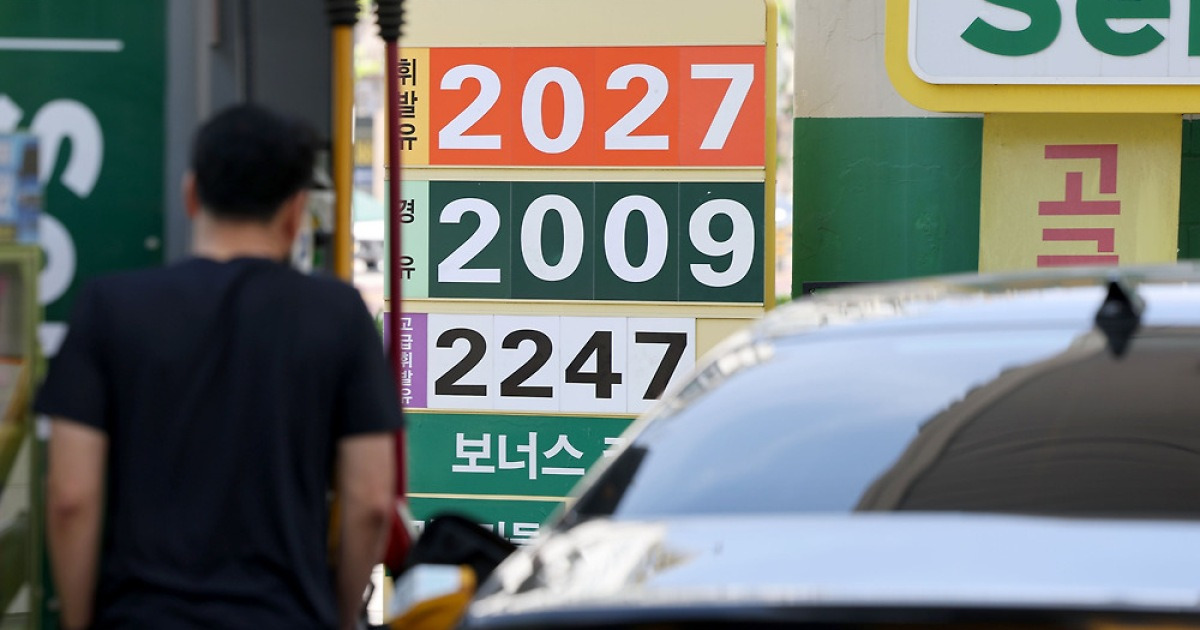
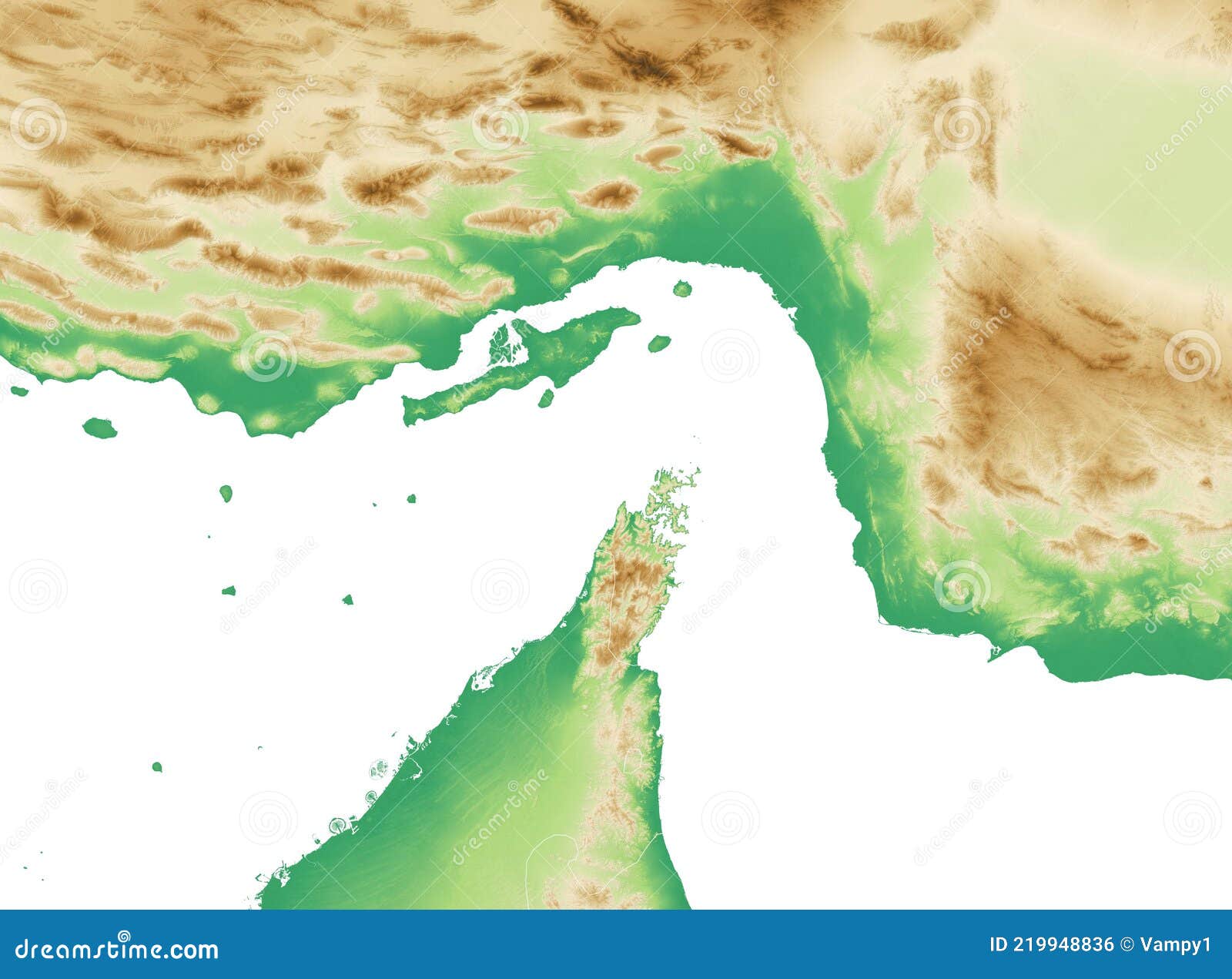
The U.S.-Iran conflict has disrupted critical trade routes, particularly in the Middle East, where tensions have led to heightened risks for commercial shipping. The U.S. Energy Information Administration (EIA) reported in April 2026 that oil prices surged by nearly 25% since the conflict’s escalation, driven by fears of supply disruptions in the Strait of Hormuz, a vital chokepoint for global oil shipments. The Strait, which handles approximately 21 million barrels of oil per day, has seen reduced traffic amid heightened military activity, forcing shippers to seek longer, costlier routes.
The economic impact has been particularly severe in Europe and Asia, where energy-dependent economies have faced soaring fuel costs and inflationary pressures. The International Monetary Fund (IMF) revised its 2026 global growth forecast downward by 0.6 percentage points in April, citing the conflict as a key factor in the slowdown. The report highlighted that emerging markets, already struggling with debt burdens and currency depreciation, are now confronting additional headwinds from reduced trade and investor flight to safer assets.
In contrast, the U.S. Has benefited from its status as a net energy exporter, a position it achieved in 2019 and has maintained despite the conflict. According to the EIA’s April 2026 report, domestic oil production has remained robust, with output exceeding 13 million barrels per day, helping to stabilize fuel prices for American consumers. The U.S. Dollar’s role as the world’s reserve currency has provided a buffer against the kind of currency volatility that has destabilized other economies, such as Iran’s rial, which has lost over 40% of its value since the conflict’s onset, according to data from the Central Bank of Iran.
Why the U.S. Economy Has Remained Resilient
The relative stability of the U.S. Economy amid global turmoil can be attributed to several key factors, each of which has helped mitigate the conflict’s direct economic impact. These include:
- Energy Independence: The U.S. Has reduced its reliance on Middle Eastern oil imports, thanks to the shale revolution and increased domestic production. This has shielded American consumers and businesses from the worst of the price spikes affecting other nations. The EIA notes that the U.S. Imported just 1.5 million barrels of crude oil per day from the Persian Gulf in 2025, down from over 2.5 million barrels per day a decade earlier.
- Dollar Dominance: The U.S. Dollar’s status as the world’s primary reserve currency has provided a significant advantage. In times of geopolitical uncertainty, investors flock to dollar-denominated assets, which has helped stabilize U.S. Financial markets. The Federal Reserve’s April 2026 data shows that foreign holdings of U.S. Treasury securities increased by $120 billion in the first quarter of the year, reflecting heightened demand for safe-haven assets.
- Diversified Trade Partners: While the conflict has disrupted trade with Iran and other Middle Eastern nations, the U.S. Has been able to pivot toward alternative suppliers, and markets. The U.S. Census Bureau reported that trade with Latin America and Southeast Asia grew by 8% and 6%, respectively, in the first quarter of 2026, offsetting some of the losses from reduced Middle Eastern trade.
- Monetary Policy Flexibility: The Federal Reserve’s ability to adjust interest rates and implement targeted stimulus measures has helped cushion the U.S. Economy from external shocks. In March 2026, the Fed announced a 50-basis-point rate cut, aimed at supporting domestic growth amid global uncertainty. This move contrasted with the European Central Bank, which has been constrained by inflationary pressures and slower growth in the eurozone.
Despite these advantages, economists caution that the U.S. Is not entirely immune to the conflict’s economic consequences. While the direct impact has been limited, secondary effects—such as higher insurance costs for global trade, increased defense spending, and potential disruptions to financial markets—could pose challenges in the coming months. The Congressional Budget Office (CBO) projected in April 2026 that U.S. Defense spending could rise by as much as $50 billion annually if the conflict persists, adding to the federal deficit.
Global Sectors Bearing the Brunt of the Crisis
The U.S.-Iran conflict has had far-reaching consequences for several key sectors, with some industries experiencing severe disruptions while others have found opportunities amid the chaos. Below, we examine the most affected areas:
1. Energy Markets: Volatility and Uncertainty
The energy sector has been the most directly impacted by the conflict, with oil and gas prices experiencing wild fluctuations. The International Energy Agency (IEA) reported that global oil prices spiked to over $110 per barrel in early April 2026, the highest level since the 2008 financial crisis. While prices have since stabilized, they remain volatile, reflecting ongoing uncertainty about supply disruptions in the Persian Gulf.
For nations heavily dependent on Middle Eastern oil, such as India and Japan, the conflict has led to significant economic strain. India, which imports nearly 85% of its crude oil, has seen its trade deficit widen as fuel costs rise. Meanwhile, European nations, which have been working to reduce their reliance on Russian energy since the Ukraine war, are now grappling with the dual challenge of securing alternative supplies while managing inflation.
2. Shipping and Logistics: Rerouting and Rising Costs
The conflict has forced shipping companies to reroute vessels away from the Strait of Hormuz, adding thousands of miles to journeys and increasing costs. The Baltic Exchange, which tracks global shipping rates, reported that freight costs for oil tankers rose by 35% in the first quarter of 2026, as shippers sought longer, safer routes around the Cape of Great Hope. These higher costs have been passed on to consumers, contributing to inflation in importing nations.
Container shipping has similarly been affected, with delays and congestion at major ports in Asia and Europe. The Drewry World Container Index showed that shipping rates from Shanghai to Rotterdam increased by 22% in April 2026, as companies scrambled to secure alternative routes. These disruptions have had a cascading effect on global supply chains, particularly for electronics, automotive parts, and consumer goods.
3. Financial Markets: Flight to Safety
Global financial markets have reacted sharply to the conflict, with investors seeking refuge in safe-haven assets such as U.S. Treasuries, gold, and the Swiss franc. The Bank for International Settlements (BIS) reported that trading volumes in U.S. Treasury futures surged by 40% in the first quarter of 2026, as investors sought to hedge against geopolitical risks. Meanwhile, emerging market currencies, such as the Turkish lira and South African rand, have reach under pressure, with the IMF’s April 2026 report noting a 12% decline in capital inflows to developing economies since the conflict’s escalation.
Stock markets have also experienced heightened volatility, with the MSCI Emerging Markets Index falling by 8% in the first four months of 2026, compared to a 3% decline in the S&P 500. Analysts attribute this disparity to the greater exposure of emerging markets to energy price shocks and currency fluctuations.
4. Defense and Aerospace: A Boon for Some
While most sectors have suffered, the defense and aerospace industries have seen a surge in demand as nations increase military spending in response to the conflict. The Stockholm International Peace Research Institute (SIPRI) reported that global military expenditure reached a record $2.4 trillion in 2025, with the U.S., China, and Middle Eastern nations accounting for the largest increases. U.S. Defense contractors, such as Lockheed Martin and Raytheon, have seen their stock prices rise by over 15% since the conflict’s escalation, as governments place latest orders for missiles, drones, and other military hardware.
The Human Cost: Economic Hardship and Social Unrest
Beyond the financial markets and corporate balance sheets, the conflict has had a profound human impact, particularly in nations already struggling with economic instability. In Iran, the combination of sanctions, currency devaluation, and rising inflation has led to widespread hardship. The World Bank estimates that Iran’s GDP contracted by 4.5% in 2025, with unemployment rising to 18% and poverty rates climbing sharply. Protests over economic conditions have erupted in several Iranian cities, with demonstrators calling for an end to the conflict and greater government accountability.
In Lebanon, which has been grappling with a severe economic crisis since 2019, the conflict has exacerbated food and fuel shortages. The United Nations reported that food prices in Lebanon increased by 60% in the first quarter of 2026, pushing more families into poverty. Similar trends have been observed in Yemen, Syria, and Iraq, where the conflict has disrupted aid deliveries and trade, deepening humanitarian crises.
Even in more stable economies, the conflict has contributed to social tensions. In Europe, rising energy costs have fueled protests against austerity measures and government policies. In the U.K., the Office for National Statistics (ONS) reported that inflation reached 5.8% in March 2026, the highest level in a decade, driven in part by higher fuel and food prices. Public discontent over the cost of living has led to strikes and demonstrations, with unions demanding wage increases and greater government support.
What Lies Ahead: Risks and Opportunities
As the U.S.-Iran conflict enters its third month, the economic outlook remains uncertain. While the U.S. Has so far avoided the worst consequences, analysts warn that the situation could deteriorate if the conflict spreads or escalates further. Below, we outline the key risks and opportunities for the global economy in the coming months:
Risks
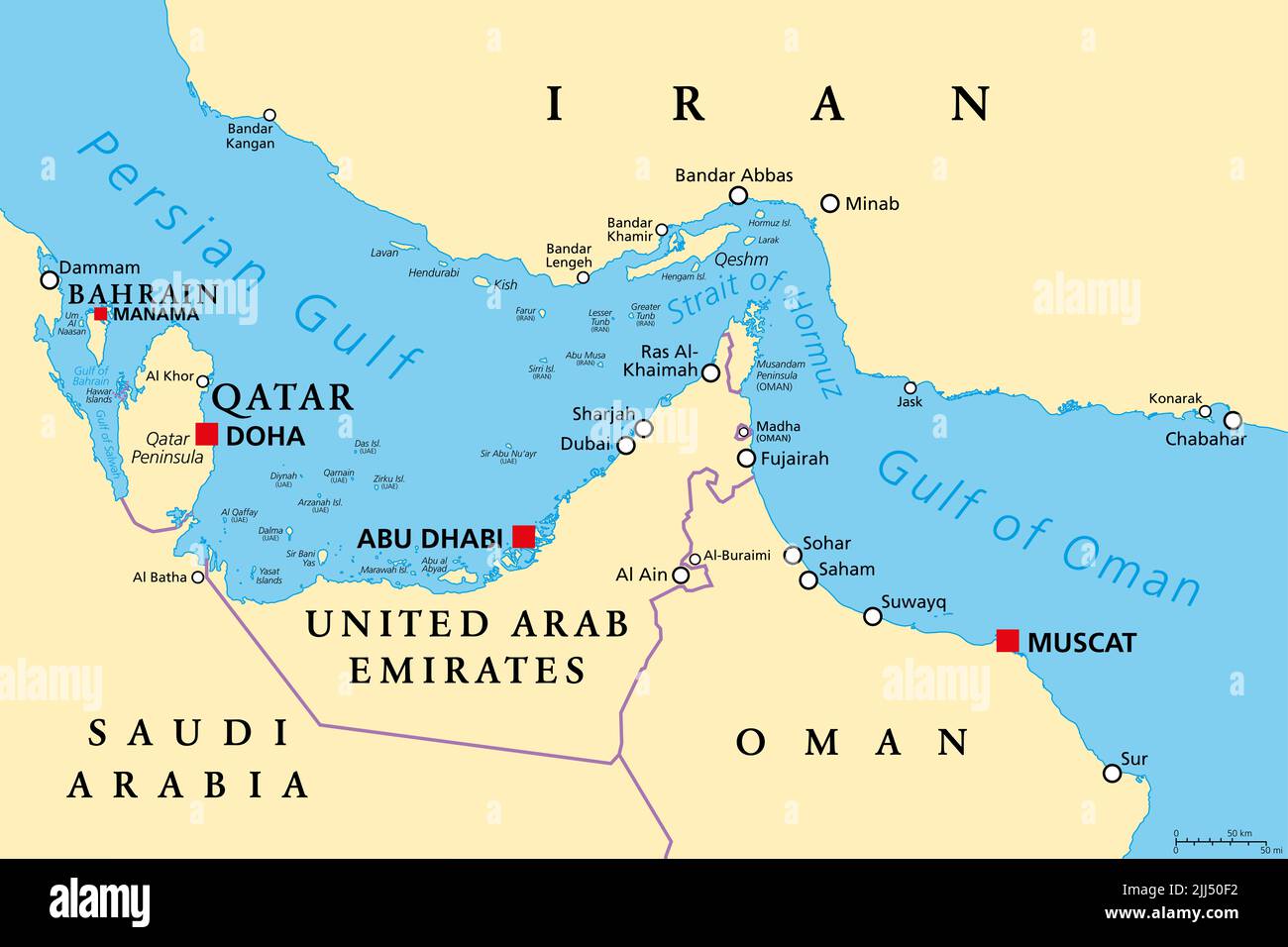
- Prolonged Energy Volatility: If the conflict disrupts oil supplies from the Persian Gulf for an extended period, global energy prices could spike further, leading to higher inflation and slower economic growth. The IEA has warned that a prolonged closure of the Strait of Hormuz could remove up to 20 million barrels of oil per day from global markets, triggering a severe supply shock.
- Financial Market Turmoil: A sudden escalation of the conflict could trigger a sell-off in global financial markets, particularly in emerging economies. The IMF has cautioned that a prolonged conflict could lead to a “sudden stop” in capital flows to developing nations, exacerbating debt crises and currency collapses.
- Supply Chain Disruptions: The rerouting of shipping vessels and delays at ports could lead to shortages of critical goods, including semiconductors, pharmaceuticals, and automotive parts. The World Trade Organization (WTO) has warned that prolonged disruptions could reverse the progress made in post-pandemic supply chain recovery.
- Social Unrest: Rising living costs and economic instability could fuel protests and political instability in vulnerable nations. The International Crisis Group has identified Lebanon, Iraq, and Pakistan as particularly high-risk countries, where economic hardship could lead to violent unrest.
Opportunities
- Energy Transition Acceleration: The conflict has underscored the risks of reliance on fossil fuels, prompting nations to accelerate investments in renewable energy. The International Renewable Energy Agency (IRENA) reported that global investment in solar and wind energy reached a record $500 billion in 2025, with Europe and Asia leading the way. The U.S. Has also increased funding for clean energy projects, with the Department of Energy announcing $30 billion in new grants for renewable energy research in April 2026.
- Defense Industry Growth: The conflict has driven increased demand for military hardware, creating opportunities for defense contractors. The SIPRI projects that global defense spending will continue to rise, with the U.S. Accounting for nearly 40% of the total. This trend could benefit companies involved in cybersecurity, drone technology, and missile defense systems.
- Trade Diversification: Nations are seeking to reduce their dependence on conflict-prone regions by diversifying their trade partners. The U.S. Has expanded trade agreements with India, Vietnam, and Mexico, while Europe is deepening ties with Latin America and Africa. The Office of the U.S. Trade Representative reported that U.S. Exports to Southeast Asia increased by 12% in the first quarter of 2026, reflecting this shift.
Key Takeaways
- The U.S. Has avoided severe economic disruptions due to its energy independence, dollar dominance, and diversified trade partners, but secondary effects could emerge if the conflict escalates.
- Global energy markets are highly volatile, with oil prices surging amid fears of supply disruptions in the Strait of Hormuz, a critical chokepoint for global trade.
- Emerging markets are bearing the brunt of the economic fallout, facing currency devaluations, capital flight, and rising inflation, while developed economies like the U.S. And Europe show greater resilience.
- Shipping and logistics costs have risen sharply, as companies reroute vessels away from conflict zones, leading to delays and higher prices for consumers.
- The conflict has accelerated the global energy transition, with nations increasing investments in renewable energy to reduce reliance on fossil fuels and mitigate geopolitical risks.
- Social unrest is growing in vulnerable nations, as economic hardship and rising living costs fuel protests and political instability, particularly in the Middle East and North Africa.
Looking Ahead: What’s Next?
The next critical checkpoint in the U.S.-Iran conflict will be the outcome of diplomatic efforts to de-escalate tensions. According to a report in *The New York Times*, U.S. And Iranian officials are expected to hold indirect talks in Pakistan this weekend, mediated by European and regional partners. The discussions will focus on securing a ceasefire and reopening the Strait of Hormuz to commercial shipping, though analysts caution that a breakthrough remains unlikely given the deep mistrust between the two sides.
In the meantime, global markets will continue to react to developments on the ground, with investors closely monitoring energy prices, shipping routes, and geopolitical risks. For businesses and policymakers, the conflict underscores the need for greater resilience in supply chains, diversified energy sources, and proactive risk management strategies.
As the situation evolves, *World Today Journal* will provide ongoing coverage of the economic and geopolitical implications of the U.S.-Iran conflict. We invite our readers to share their perspectives in the comments below and to follow us for the latest updates on this developing story.