Teh Boy king: Unraveling the legacy of Tutankhamun
Tutankhamun, a name synonymous with the splendor of ancient Egypt, continues to captivate the world millennia after his reign. He was an Egyptian pharaoh of the 18th dynasty, ruling from approximately 1332 BC to 1323 BC, a period of significant cultural and political transition. But who was this young king, and why does his story resonate so powerfully today?
A Brief Life and Early Reign
Tutankhamun ascended to the throne at a remarkably young age, likely between nine and ten years old. He was the son of Akhenaten, a pharaoh known for his religious reforms, and his lineage played a crucial role in the political landscape of the time. When he became king, he married his half-sister, Ankhesenpaaten, a common practice among Egyptian royalty to maintain the purity of the bloodline.
Unfortunately, Tutankhamun’s reign was cut short. He died around the age of 18,leaving behind a mystery surrounding his cause of death. While theories abound – from illness to injury – the exact circumstances remain unknown,fueling ongoing research and speculation.
The Discovery That Shook the World
For centuries, Tutankhamun’s existence was largely forgotten, his tomb lost to the sands of time.That all changed in November 1922, when archaeologist Howard Carter, funded by Lord Carnarvon, stumbled upon a remarkable find in the Valley of the Kings. Steps leading to the boy king’s tomb were unearthed, initiating a period of intense excavation and global captivation.
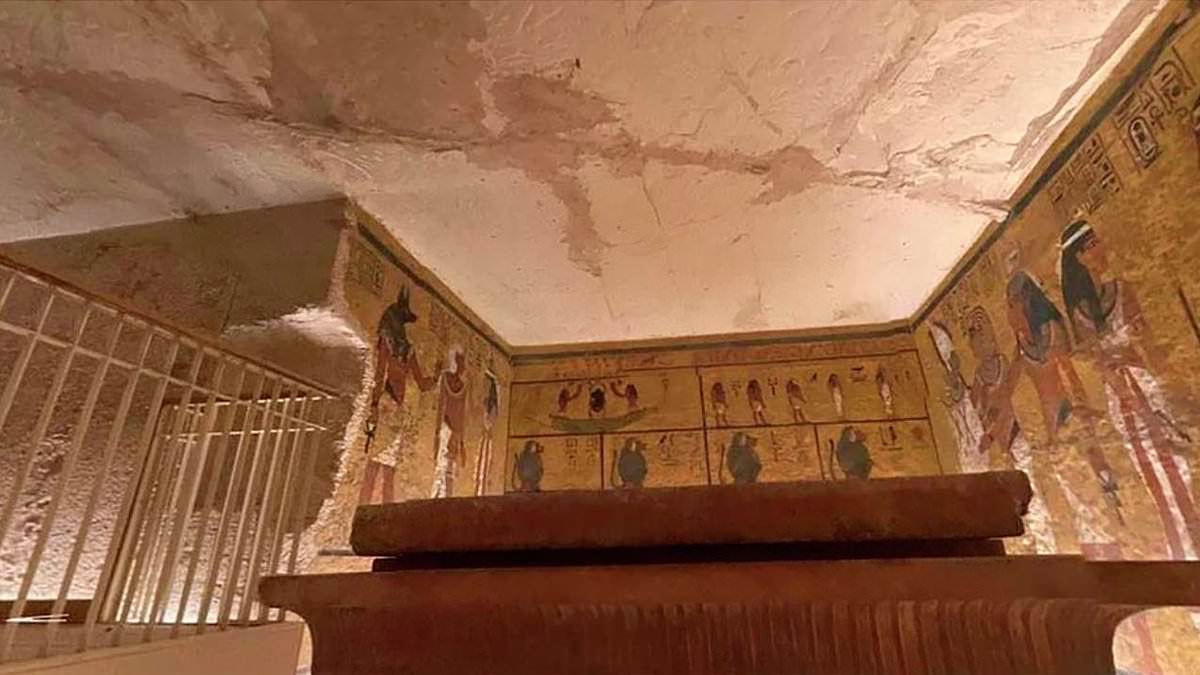
Carter and his team meticulously cataloged the antechamber for months before finally opening the burial chamber in February 1923. Inside, they discovered the sarcophagus containing Tutankhamun’s remains, surrounded by an remarkable wealth of artifacts. The discovery sparked a media frenzy unlike anything seen before, instantly catapulting Tutankhamun into the public consciousness.
A Treasure Trove of Ancient Splendor
The sheer volume of treasures within Tutankhamun’s tomb was breathtaking. It took Carter’s team a full decade to carefully document and remove the thousands of objects,each offering a glimpse into the life,beliefs,and artistry of ancient Egypt. These included:
* Golden artifacts: Elaborate jewelry,statues,and ceremonial objects crafted from gold.
* furniture and chariots: Intricately designed pieces providing insight into daily life.
* Clothing and personal items: Offering a personal connection to the young king.
* The iconic golden mask: Perhaps the most recognizable symbol of ancient Egypt, a masterpiece of craftsmanship.
The tomb’s richness reflects the prosperity of the 18th Dynasty, which flourished between 1569 and 1315 BC.For many, Tutankhamun embodies the glory of ancient Egypt precisely because his tomb was so remarkably preserved and filled with such opulent treasures.
The Legacy Continues
Today, Tutankhamun’s story continues to unfold through ongoing archaeological research and scientific analysis.In 2007, egypt’s antiquities chief Zahi Hawass oversaw the removal of the lid of Tutankhamun’s sarcophagus, allowing for further study of the king’s remains and artifacts.
You can appreciate the enduring legacy of Tutankhamun through museum exhibits around the world, documentaries, and scholarly publications. His story serves as a powerful reminder of the ingenuity, artistry, and enduring mysteries of ancient Egypt.
Ultimately, Tutankhamun’s tale isn’t just about a boy king; it’s about a civilization, a culture, and the enduring human fascination with the past. It’s a story that continues to inspire and intrigue, ensuring that the name of Tutankhamun will be remembered for generations to come.
Related reading