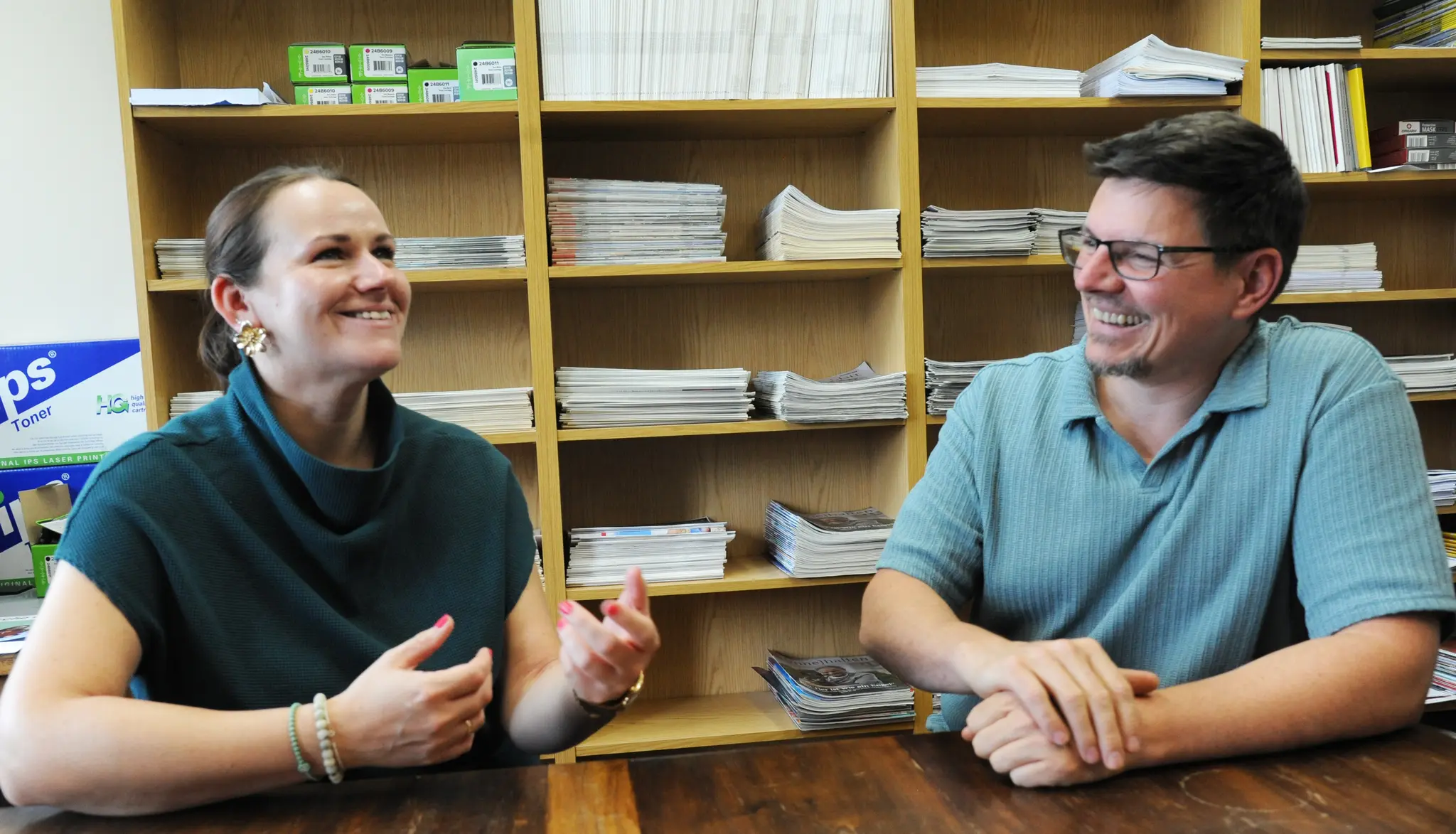
The production of religious textbooks in Austria is undergoing a structural shift, with publishing houses in St. Pölten and Graz taking over the development of key educational materials for classrooms nationwide. Johannes Haiderer and his editorial team are spearheading production alongside Tyrolia Verlag, while a separate team based in Graz collaborates with Styria Media Group to supply parallel educational resources.
The division of labor reflects a competitive yet collaborative approach to religious education publishing in Austria. Publishers must meet stringent curriculum guidelines established by educational authorities while ensuring pedagogical relevance for students across diverse school types. The involvement of established regional publishing houses ensures that editorial standards remain high as new editions roll out for academic use.
Educational publishing in Austria relies heavily on close coordination between academic theologians, classroom teachers, and specialized publishing editors. The current projects managed through St. Pölten and Graz are designed to update existing syllabi and provide modern digital and print resources for schools. Stakeholders include diocesan offices, educational ministries, and publishing executives who oversee the alignment of text content with official school curricula.
Publishing Partnerships and Editorial Structure
Johannes Haiderer and his team coordinate closely with Tyrolia Verlag to manage manuscript development, typesetting, and distribution. Tyrolia, a publishing house with deep roots in religious and educational literature, provides the logistical and editorial framework needed to bring comprehensive textbook series to market. Meanwhile, the Graz-based editorial contingent works alongside Styria Media Group to develop complementary volumes, ensuring schools have access to multiple approved perspectives and pedagogical formats.
Editorial teams operate under strict oversight to maintain doctrinal accuracy and educational compliance. Textbooks intended for religious instruction in Austrian public schools undergo rigorous review processes involving both church authorities and state educational boards. This dual-approval mechanism guarantees that published materials fulfill state curriculum requirements while respecting the specific guidelines of recognized religious communities.
The decentralization of publishing efforts between St. Pölten and Graz fosters innovation in textbook design. Modern religious education increasingly incorporates multimedia elements, interactive tasks, and ethical discussions on contemporary social issues. Publishing houses are adapting to these demands by integrating digital learning portals alongside traditional hardcover and softcover volumes.
Impact on Schools and Classroom Instruction
Teachers and students form the primary audience for these newly developed materials. Educational institutions rely on timely deliveries of approved textbooks at the start of each school year. The collaboration between regional publishing hubs in Lower Austria and Styria aims to prevent bottlenecks in supply chains and guarantee that classrooms receive updated editions well in advance of curriculum changes.
The shift also affects teacher training programs and pedagogical workshops. Educators must familiarize themselves with the structural layout, digital companion tools, and didactic concepts embedded in the new St. Pölten and Graz publications. Diocesan educational offices frequently organize introductory seminars to help instructors integrate the updated texts into daily lesson plans effectively.
Funding and procurement procedures vary by federal state, requiring publishers to navigate complex municipal and regional purchasing frameworks. Textbook lists are regularly updated by the Austrian Federal Ministry of Education, Science and Research, allowing schools to select approved titles from publishers like Tyrolia and Styria.
Next Steps in Distribution and Curriculum Integration
The rollout of religious education books from St. Pölten and Graz proceeds according to a phased timeline coordinated with the Austrian Federal Ministry of Education, Science and Research. Publishing houses are currently finalizing print runs and digital license agreements ahead of the upcoming academic enrollment periods. Schools can consult official educational portals and publisher catalogs to review sample chapters, place orders, and track delivery schedules for the new instructional materials.
Related reading