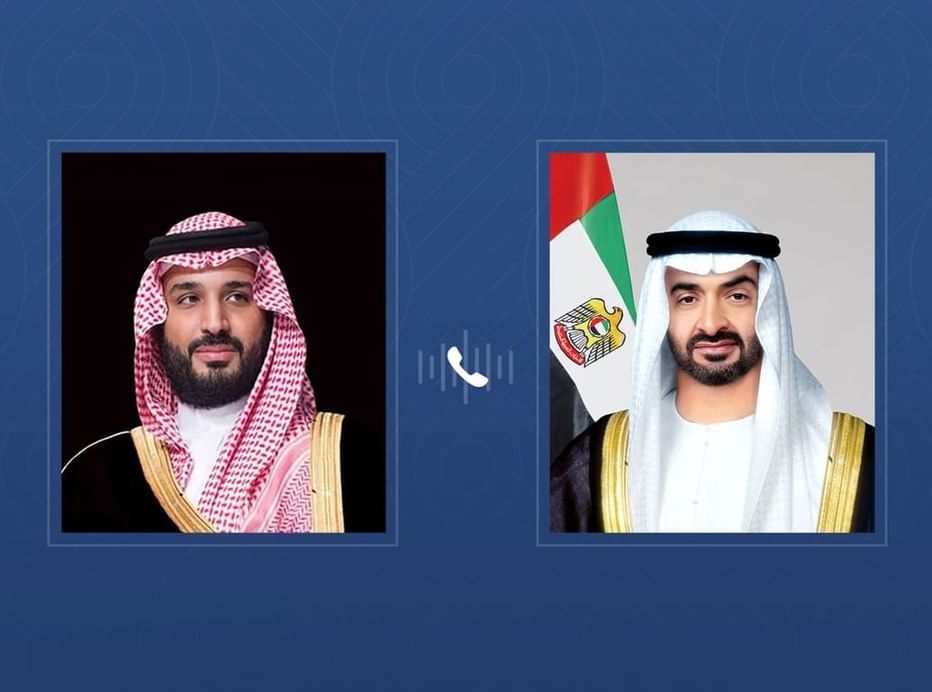
London, May 12, 2026 — The United Arab Emirates’ President, His Highness Sheikh Mohamed bin Zayed Al Nahyan, received a phone call on Sunday from Saudi Arabia’s Crown Prince Mohammed bin Salman, following Iran’s attack on an Abu Dhabi National Oil Company (ADNOC) tanker in the Strait of Hormuz. The call underscores deepening regional concerns over Iran’s escalating military actions and their potential impact on Gulf energy infrastructure.
The Iranian attack, which targeted an ADNOC-operated vessel transiting the critical Strait of Hormuz on May 4, 2026, has drawn sharp condemnation from both the UAE and Saudi Arabia. UAE officials described the incident as a “direct threat to regional stability and energy security,” while Saudi Arabia’s response—through the Crown Prince’s direct communication—signals a coordinated regional stance against Iranian aggression.
This development comes amid a broader pattern of tensions in the Gulf, where Iran has increasingly targeted commercial shipping and energy facilities. The Strait of Hormuz, through which roughly 20% of the world’s oil passes daily, has become a flashpoint in these escalations. Analysts warn that such attacks risk destabilizing global oil markets and disrupting supply chains that underpin economies worldwide.
Key Takeaways
- Direct Communication: UAE President Sheikh Mohamed bin Zayed Al Nahyan spoke with Saudi Crown Prince Mohammed bin Salman following Iran’s attack on an ADNOC tanker in the Strait of Hormuz.
- Regional Unity: The call reflects a rare public display of coordination between the UAE and Saudi Arabia on security matters.
- Energy Security: The Strait of Hormuz is a critical chokepoint for global oil supplies, and attacks risk destabilizing markets.
- Broader Context: Iran’s actions follow a pattern of targeting commercial shipping and energy infrastructure in the Gulf.
- International Condemnation: The UAE has condemned the attack, while Canada and other nations have called for protection of civilian infrastructure in the region.
- Next Steps: Officials are monitoring developments closely, with no immediate signs of de-escalation.
Saudi Crown Prince’s Call: A Signal of Regional Solidarity
According to sources close to the UAE government, the phone call between Sheikh Mohamed bin Zayed Al Nahyan and Crown Prince Mohammed bin Salman lasted approximately 20 minutes and focused on the “growing threat posed by Iran’s military adventurism.” The conversation reportedly included a discussion of potential retaliatory measures, regional security cooperation, and the need for a unified response to Iran’s actions.
While neither government has released a formal statement detailing the contents of the call, diplomatic sources confirm that the discussion centered on the May 4 attack, which involved two drones targeting an ADNOC tanker as it transited the Strait of Hormuz. ADNOC, the state-owned oil company, confirmed the incident in a statement, describing it as an “unprovoked act of aggression” that posed a serious risk to maritime safety.
“The UAE condemns in the strongest terms Iran’s attack on an ADNOC tanker transiting the Strait of Hormuz. Such actions undermine regional stability and threaten global energy security.”
The UAE’s condemnation aligns with broader international concerns. Canada, for instance, has called for the protection of civilian infrastructure in the Gulf, while Poland’s Grand Mufti described Iran’s actions as a “crime against the values of Islam and its teachings,” highlighting the religious and moral dimensions of the conflict.
Why the Strait of Hormuz Matters
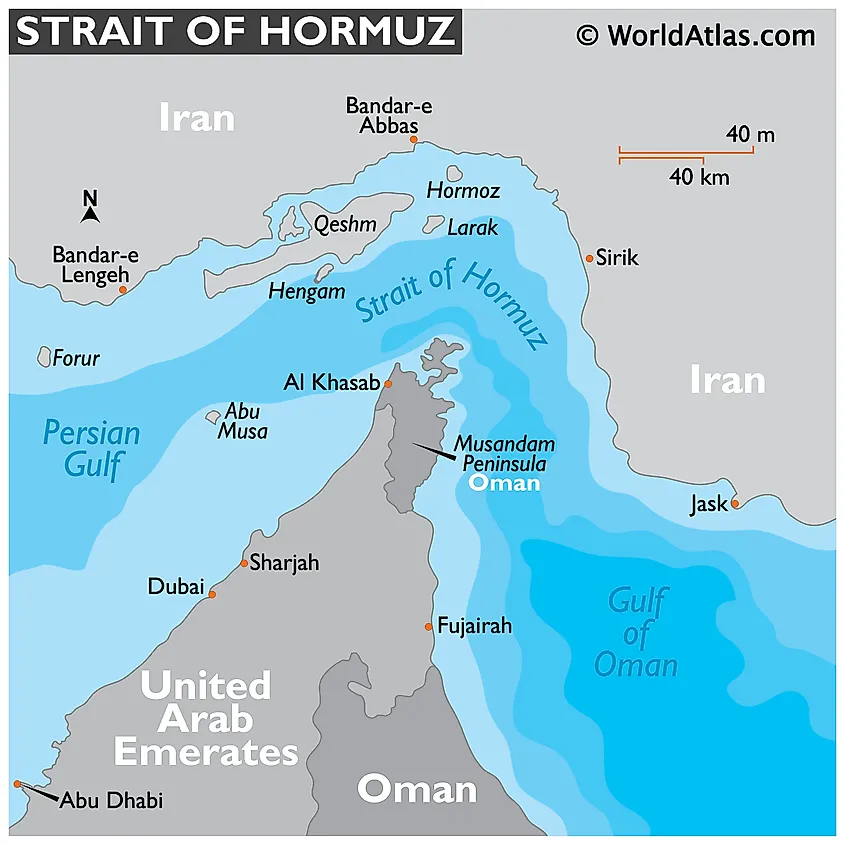
The Strait of Hormuz is one of the world’s most strategically vital waterways, connecting the Persian Gulf to the Arabian Sea and serving as a conduit for approximately 20% of global oil exports. Any disruption—whether through military action, sabotage, or blockades—could send shockwaves through global energy markets, leading to spikes in oil prices and economic instability.
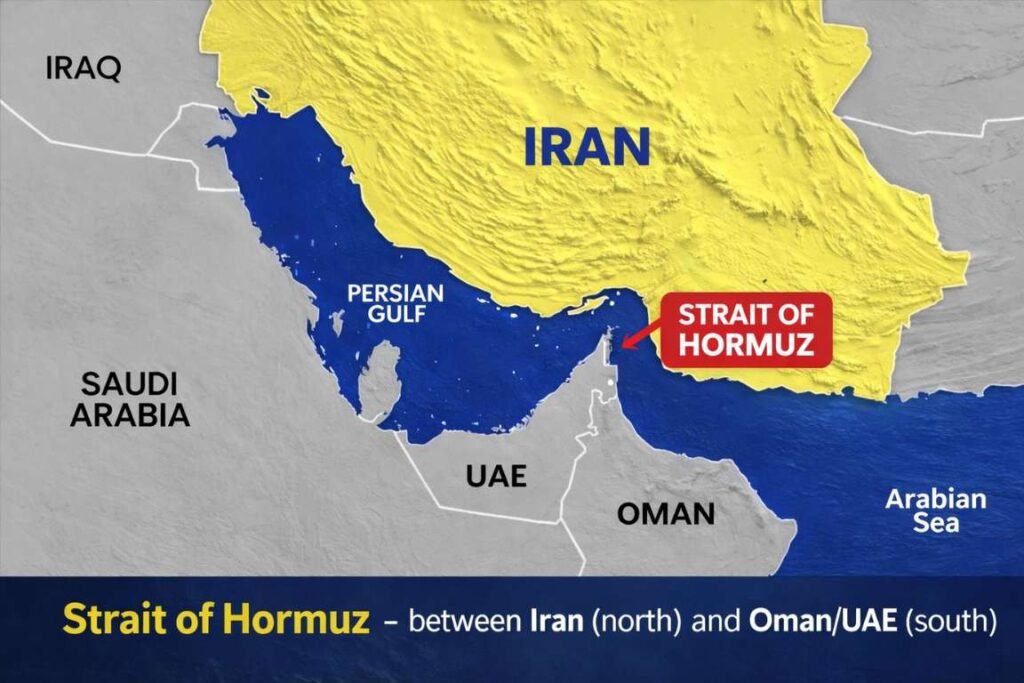
Iran’s targeting of commercial shipping in the region is not new. Over the past year, Iranian forces have conducted multiple operations against vessels linked to Israel, the U.S., and other Western nations, often citing accusations of “espionage” or “hostile actions.” However, the attack on the ADNOC tanker marks a significant escalation, as it directly targets the energy infrastructure of a Gulf state—a move that could be interpreted as a broader challenge to the region’s security architecture.
Analysts suggest that Iran’s actions may be designed to pressure the UAE and Saudi Arabia into altering their foreign policies, particularly regarding their relationships with Israel and the West. The UAE, for example, has maintained diplomatic ties with Israel despite regional opposition, while Saudi Arabia has been engaged in indirect negotiations toward normalization.
Regional and Global Reactions
The UAE’s response to the attack has been swift and unequivocal. In addition to condemning the incident, Emirati officials have called for an emergency meeting of the Gulf Cooperation Council (GCC) to discuss collective security measures. The GCC, which includes Saudi Arabia, Kuwait, Bahrain, Qatar, Oman, and the UAE, has historically served as a forum for coordinating responses to regional threats.
Internationally, the attack has drawn condemnation from Western powers, including the U.S. And EU, which have reiterated their support for the freedom of navigation in international waters. The U.S. Has deployed additional naval assets to the region in recent weeks, a move interpreted by some as a deterrent against further Iranian aggression.
In Canada, Foreign Affairs Minister Mélanie Joly issued a statement urging Iran to “cease its provocative actions and engage in de-escalation.” The statement also called for the protection of civilian infrastructure, reflecting growing concerns among Western allies about the potential for broader conflict in the Gulf.
“Canada is deeply concerned by the escalating tensions in the Gulf. We urge all parties to exercise restraint and avoid actions that could further destabilize the region.”
What Happens Next?
With tensions running high, the next critical checkpoint will be the GCC emergency meeting, which is expected to be convened within the next 48 hours. The agenda is likely to include discussions on:
- A unified regional response to Iran’s actions.
- Enhanced maritime security measures in the Strait of Hormuz.
- Potential economic or diplomatic sanctions against Iran.
- Coordination with international partners, including the U.S. And EU, to deter further aggression.
The UAE and Saudi Arabia are also expected to continue their private diplomatic engagements, though public statements have been carefully calibrated to avoid escalating the situation. For now, the focus remains on de-escalation while preparing for the possibility of further Iranian provocations.
In the meantime, global markets are watching closely. Oil prices have already seen volatility in response to the attack, and traders are bracing for potential disruptions to supply chains if tensions persist.
Long-Term Implications
The attack on the ADNOC tanker and the subsequent call between the UAE and Saudi Arabia’s leaders highlight a critical juncture in Gulf geopolitics. The region’s response to Iran’s actions will shape not only its immediate security landscape but also its long-term relationships with Western powers, Israel, and other global actors.
For the UAE and Saudi Arabia, the challenge lies in balancing firmness with restraint. While both nations have condemned Iran’s actions, they also recognize the risks of a full-blown conflict that could destabilize the entire region. The phone call between Sheikh Mohamed bin Zayed Al Nahyan and Crown Prince Mohammed bin Salman serves as a reminder that, despite their differences, the Gulf states remain united in their commitment to regional stability.
As the situation unfolds, the world will be watching to see whether Iran’s actions will lead to further escalation—or whether diplomatic channels can prevail. One thing is clear: the Strait of Hormuz has once again become a focal point in the complex web of alliances, rivalries, and power struggles that define the Middle East.
What to Watch For
The next 72 hours will be critical in determining the trajectory of this crisis. Key developments to monitor include:
- GCC Emergency Meeting: Expected within 48 hours to discuss collective security measures.
- International Response: Statements from the U.S., EU, and UN on potential sanctions or military deployments.
- Market Reactions: Oil prices and global supply chain adjustments in response to the attack.
- Diplomatic Engagements: Further communications between Gulf states and Iran, or mediation efforts by third parties.
For updates on this developing story, follow World Today Journal for real-time coverage and analysis.
We welcome your insights and questions. Share your thoughts in the comments below or share this article to keep others informed.
Worth a look