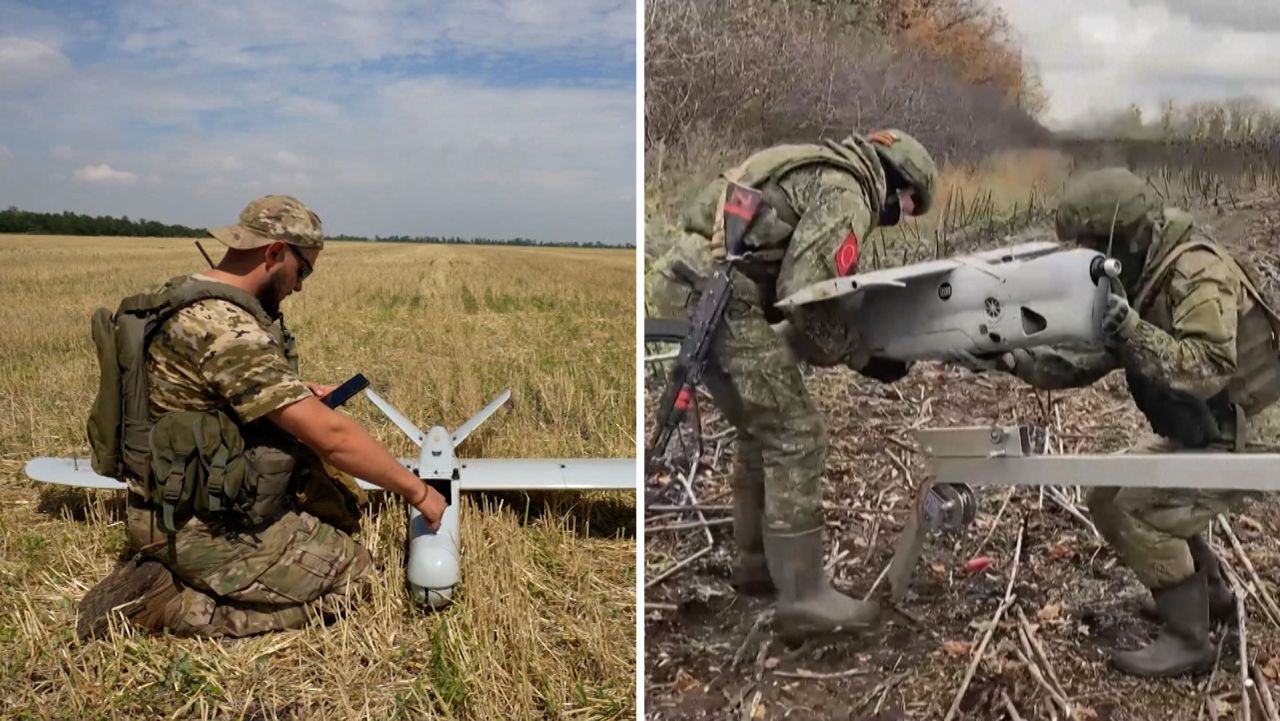
Ukraine’s Drone War: How Kyiv’s Strikes Are Forcing Moscow to Recalculate
Ukraine’s relentless drone campaign has fundamentally altered the calculus of the war with Russia, with Kyiv’s precision strikes forcing Moscow to divert critical air defense resources and absorb unprecedented economic strain. While Russian forces continue to face challenges in their advance through Ukrainian territory, the war’s frontlines have expanded beyond the battlefield—into Russian cities, energy infrastructure, and even the Kremlin’s political calculations.
The shift began in mid-2022 when Ukraine deployed its first generation of long-range one-way attack (OWA) drones, designed to penetrate Russian air defenses and strike high-value targets deep inside Russia. What started as a tactical innovation has since evolved into a strategic weapon, according to new research published in early 2026. The findings reveal that Ukraine’s drone campaign has not only survived Moscow’s sophisticated air defense systems but has also forced Russia to reallocate military resources on a scale that threatens its broader war effort.
For President Volodymyr Zelensky, the drone campaign represents more than just military advantage—it has become a critical diplomatic tool. With Russian President Vladimir Putin showing reluctance to engage in direct negotiations, Ukraine’s ability to project power across Russia’s borders has given Kyiv unexpected leverage. The question now is whether this new dynamic will lead to a negotiated settlement—or whether the drone war will continue to escalate.
Key Developments in Ukraine’s Drone Campaign
- Strategic Impact: Ukraine’s OWA drones have penetrated Russian air defenses, forcing Moscow to redeploy air defense systems to protect critical infrastructure.
- Economic Disruption: Strikes on energy facilities and transportation hubs have contributed to fuel price spikes and supply chain disruptions across Russia.
- Diplomatic Leverage: Zelensky has signaled willingness to pause deep strikes in exchange for Russian concessions, marking a potential shift in negotiation tactics.
- Air Defense Strain: Russian air defense resources are stretched thin, with reports of shortages in frontline units due to redeployment.
- Public Perception: Attacks on civilian infrastructure, including residential areas, have increased domestic pressure on Putin to respond.
The Drone War’s Unintended Consequences
One of the most significant outcomes of Ukraine’s drone campaign has been the forced redistribution of Russia’s air defense capabilities. According to a study published by the University of Edinburgh’s School of Social and Political Science, Russian air defense systems that were previously concentrated along the Ukrainian border have been diverted to protect Moscow and other major cities. This redeployment has left frontline units vulnerable to missile and drone attacks, creating new weaknesses in Russia’s military posture.
The economic impact has been equally damaging. Strikes on oil refineries, electrical grids, and transportation networks have contributed to a noticeable rise in fuel prices and supply chain disruptions. While Russia has maintained its energy exports to global markets, internal reports suggest that domestic production has been affected, with some regions experiencing shortages. The Bank of New York Mellon’s recent analysis indicates that Russia’s energy sector is now operating at reduced capacity due to the drone campaign.
Perhaps most critically, the drone strikes have forced Russia to confront the reality that the war is no longer confined to Ukrainian soil. Attacks on Moscow—including a high-profile strike on a luxury residential complex in early 2026—have demonstrated that Ukraine can target the heart of the Russian state. While the Kremlin has downplayed the damage, the psychological and political impact cannot be ignored. Russian officials have been quoted in internal briefings acknowledging that the strikes have “created an atmosphere of uncertainty” among the population.
Zelensky’s Strategic Pause: A Diplomatic Gambit?
In a potential sign of shifting strategy, Ukrainian officials have hinted at a willingness to pause deep strikes into Russia in exchange for concessions. While no formal announcement has been made, reports suggest that Kyiv is exploring a negotiated settlement that would require Moscow to withdraw from occupied territories in exchange for a halt to cross-border attacks. This approach aligns with Zelensky’s stated goal of restoring Ukraine’s territorial integrity while avoiding further escalation.

The timing of this potential shift is significant. With Russian forces stalled in their advance through eastern Ukraine, Moscow appears to be in a weaker position to demand concessions. The drone campaign has not only disrupted Russian military operations but has also exposed the vulnerabilities of Putin’s domestic narrative—that the war is a contained operation with minimal impact on Russian life.
The Human Cost: Civilians in the Crossfire
While the strategic implications of the drone campaign are clear, the human toll cannot be overlooked. Civilians in both Ukraine and Russia have borne the brunt of the escalation. In Ukraine, the “niemandsland” or contested zones along the frontlines remain particularly dangerous, with reports of landmines, unexploded ordnance, and frequent artillery barrages. The United Nations Humanitarian Coordinator for Ukraine has warned that these areas pose severe risks to civilians attempting to return to their homes.
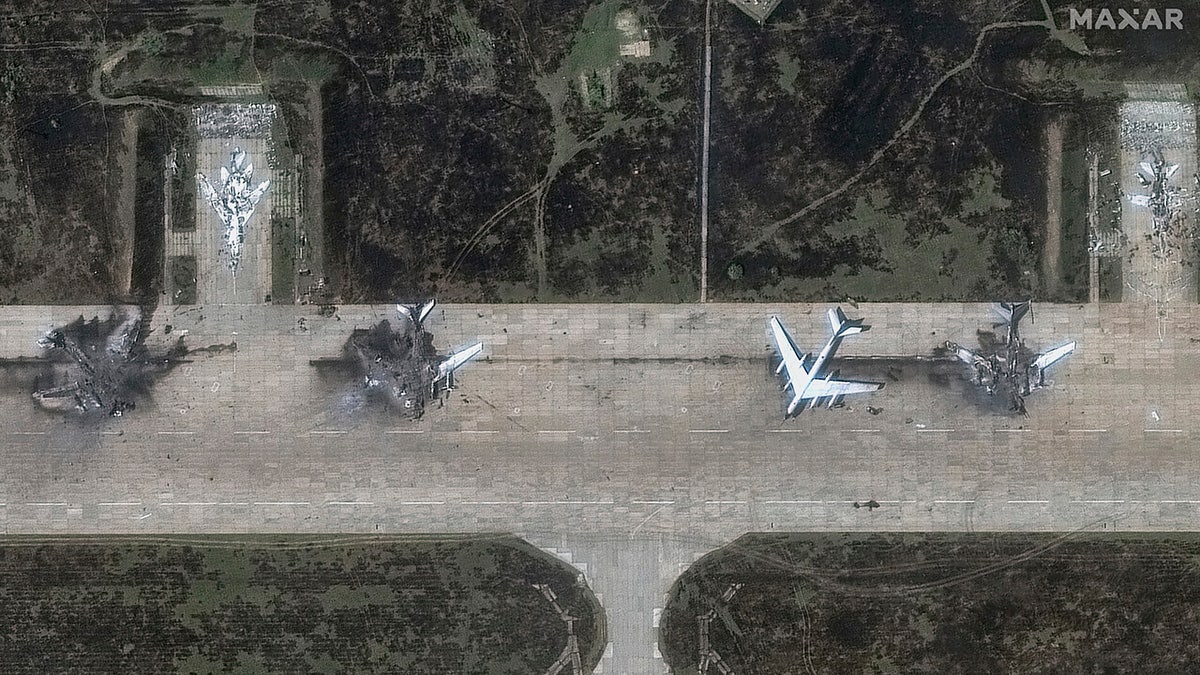
In Russia, the impact of drone strikes has been less direct but no less significant. While Moscow has maintained strict control over information, local reports and satellite imagery suggest that strikes on civilian infrastructure—such as power plants and residential buildings—have increased in frequency. The Russian government’s response has been to tighten security measures, including air raid drills and the deployment of additional air defense systems in urban areas.
What Happens Next: The Path Forward
The next critical checkpoint will be the upcoming summit discussions, which are expected to focus on Ukraine’s proposed peace formula. Zelensky has outlined 10 key conditions for peace, including the withdrawal of Russian troops, the restoration of Ukraine’s territorial integrity, and the establishment of a demilitarized zone. Whether Russia will engage in serious negotiations remains uncertain, but the drone campaign has undeniably altered the terms of the discussion.
For now, the war’s trajectory depends on three key factors:
- Military Balance: Will Russia’s air defense redeployment weaken its frontline capabilities?
- Diplomatic Will: Will Putin prioritize de-escalation or continue the offensive?
- Economic Resilience: Can Russia sustain the economic strain of the drone campaign?
The drone war has proven that modern warfare is no longer confined to traditional battlefields. In this new era, the ability to project power across borders—and the willingness to absorb collateral damage—has become the ultimate measure of strength.
Frequently Asked Questions
How effective are Ukraine’s drones against Russian air defenses?
Ukraine’s one-way attack (OWA) drones have demonstrated a notable ability to penetrate Russian air defenses, particularly when used in coordinated swarms. While Moscow has improved its interception capabilities, the drones’ low cost and high payload-to-weight ratio make them difficult to counter entirely.
What is the economic impact of the drone strikes on Russia?
The strikes have contributed to fuel price increases, supply chain disruptions, and reduced domestic energy production. While Russia’s energy exports remain robust, internal reports suggest that the economic strain is being felt, particularly in regions dependent on vulnerable infrastructure.
Could the drone campaign lead to a negotiated settlement?
Ukraine has signaled a willingness to pause deep strikes in exchange for concessions, but the outcome depends on Russia’s willingness to engage in serious negotiations. The drone campaign has given Kyiv unexpected leverage, but a lasting settlement will require both sides to compromise.
The situation in Ukraine remains fluid, with the next phase of negotiations expected to unfold in the coming weeks. For real-time updates, follow official statements from the Ukrainian government and international monitors.
What do you think about the shifting dynamics of the war? Share your insights in the comments below.
Worth a look
- Gov. Andy Beshear Demands Sen. Mitch McConnell Address Health and Absence from Congress
- América Player Commits Foul During Ball Dispute
- Trump to Meet Zelensky at White House Amid Shift Toward Military Cooperation (time.news)
- Beyond Kamikaze Drones: The Rise of Multipurpose Unmanned Surface Vessels (archyde.com)