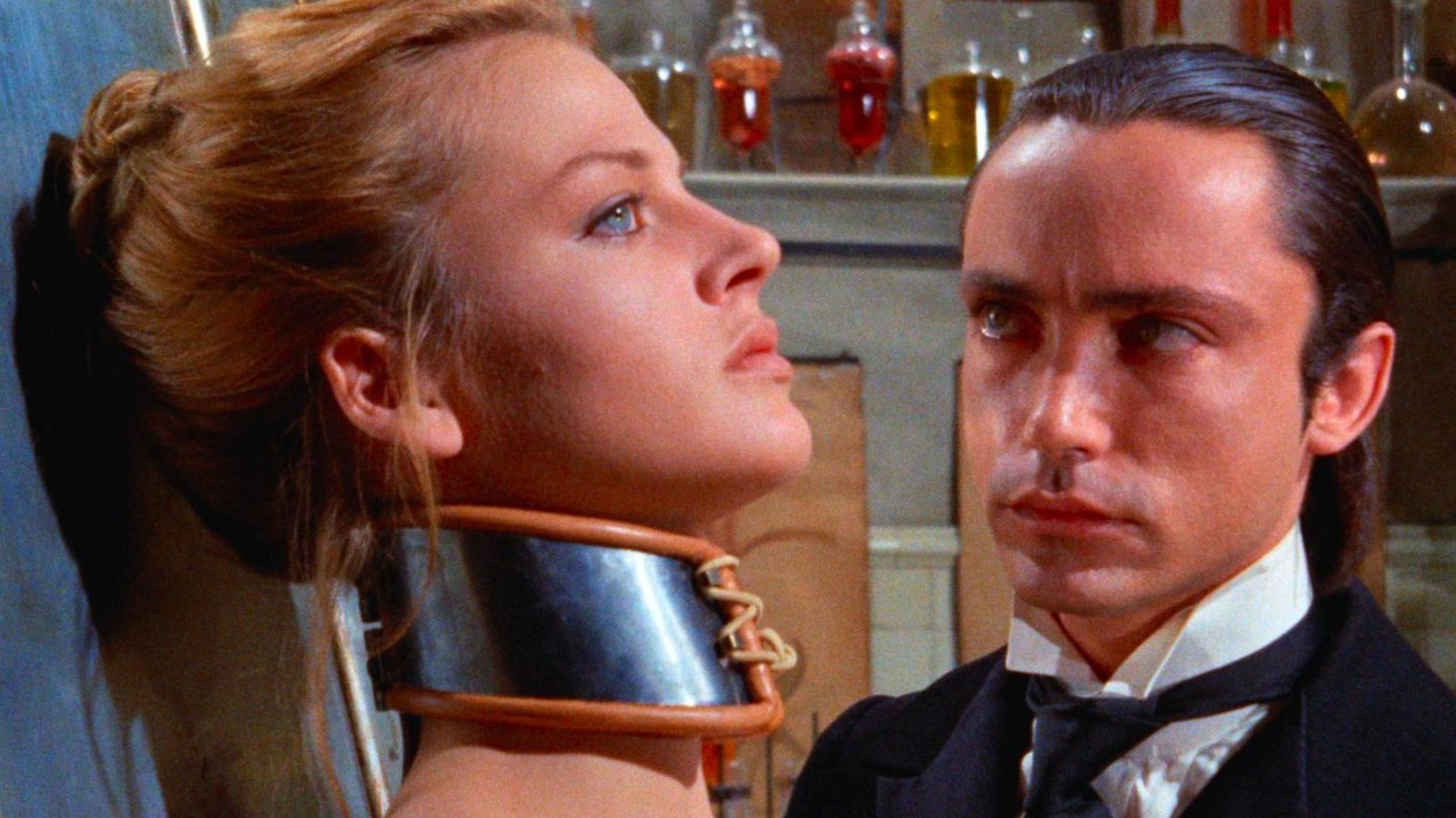
Beyond the Bolt: Revisiting the Shocking Legacy of “Flesh for Frankenstein“
Few cinematic reimaginings of Mary Shelley’s classic tale are as audacious, and frankly, as bizarre as 1974’s “Flesh for Frankenstein.” This isn’t your grandfather’s monster movie. It’s a visually arresting, sexually charged, and surprisingly satirical take on the Frankenstein mythos, starring a captivating Udo Kier and featuring a pre-stardom Joe Dallesandro.
But how was this X-rated spectacle received upon its initial release, and why does it continue to fascinate audiences today? Let’s delve into the history and critical evolution of this cult classic.
A Baron’s Obsession & A Case of Mistaken Identity
The film centers on Baron Frankenstein,brilliantly portrayed by Kier,who isn’t driven by scientific curiosity,but by a desperate search for the perfect physical specimen. He finds a potential candidate in Nicholas, a strikingly handsome farmhand played by Dallesandro, whose robust physique and…enthusiasm for life promptly capture the Baron’s attention.
However, a comical yet gruesome mix-up occurs in the lab. Frankenstein mistakenly operates on a traveling monk instead of Nicholas, resulting in a monster with a decidedly unenthusiastic disposition. This sets the stage for a cascade of increasingly outlandish events involving sex, blood, and even a touch of necrophilia – all culminating in a rather unfortunate incident involving a spear and the Baron himself.
Initial Reactions: A Slow Burn
When “Flesh for Frankenstein” first hit screens, critics were…lukewarm. Many found the pacing sluggish and felt the film’s satirical elements weren’t fully realized. It was clear director Paul Morrissey intended a commentary on societal obsessions with the body and sexuality, but some reviewers believed the message was lost amidst the graphic content.
The film’s explicit nature also played a role in its initial reception. It earned an X-rating from the MPAA, landing it on the infamous “Video nasties” list in England. Consequently, a heavily censored version was initially released in theaters, with the uncut version remaining unavailable for over three decades.
A Cult Following & Critical Re-Evaluation
Over time, “Flesh for Frankenstein” has undergone a remarkable critical reassessment. What was once dismissed as simply exploitative is now celebrated for its audaciousness, its unique visual style, and Kier’s unforgettable performance.
Here’s what contributes to its enduring appeal:
* Satirical Edge: Viewers now recognize the film’s sharp satire of societal hypocrisy and the commodification of the human body.
* Visual Style: The film’s baroque aesthetic, with its lavish sets and striking cinematography, is undeniably captivating.
* Udo Kier‘s Performance: Kier delivers a truly memorable performance, embodying the Baron’s eccentric obsession with a captivating blend of menace and camp.
* Unflinching Boldness: The film doesn’t shy away from taboo subjects, making it a truly unique and provocative experiance.
Today, ”Flesh for Frankenstein” boasts an notable 88% approval rating on Rotten Tomatoes, based on 17 reviews. It’s a testament to the film’s enduring power and its ability to resonate with audiences who appreciate its unconventional approach to a classic story.
Why You Should Watch It
If you’re a fan of horror, exploitation films, or simply appreciate cinema that pushes boundaries, “flesh for Frankenstein” is a must-see. It’s a film that will shock, amuse, and perhaps even provoke you. Just be prepared for a wild ride – it’s unlike anything else you’ve ever seen. You’ll discover a film that’s not just a re-telling of a classic tale, but a bold, unforgettable statement in its own right.
Worth a look