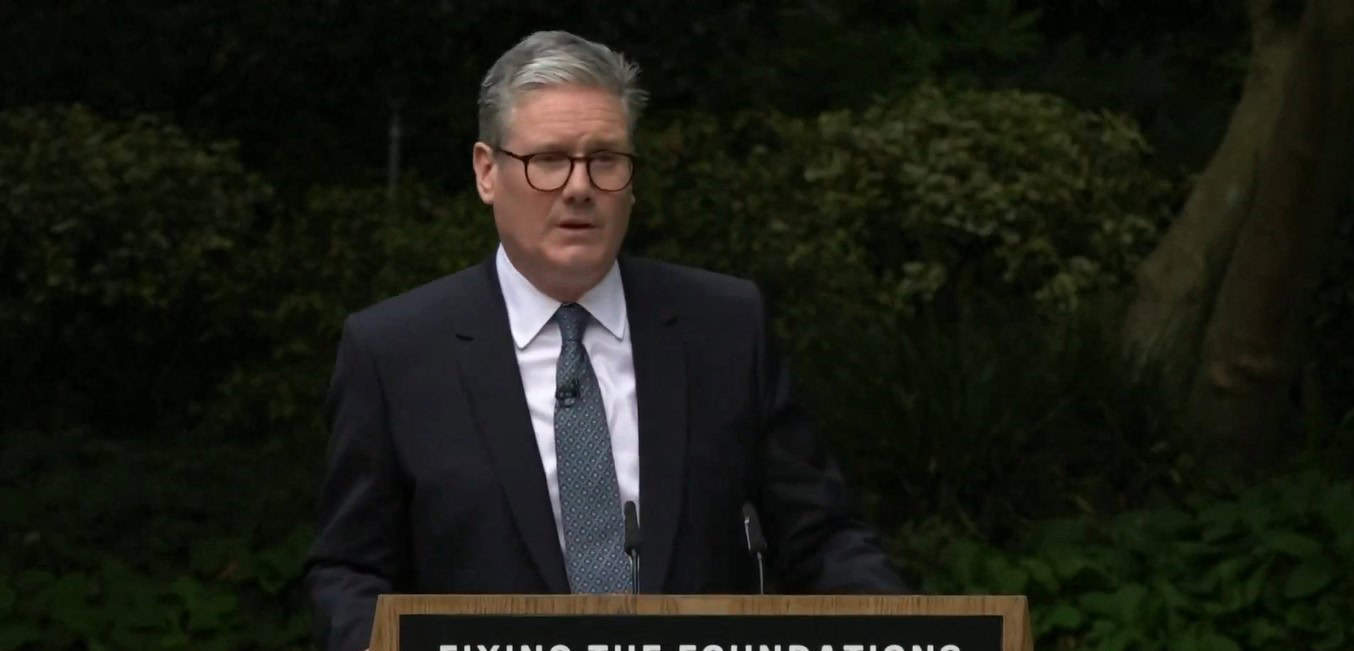
British Prime Minister Keir Starmer has expressed strong frustration after learning that senior officials did not inform him that his nominee for UK ambassador to the United States, Peter Mandelson, had initially failed security vetting. The revelation has intensified scrutiny over the appointment process and raised questions about transparency within the government.
Starmer stated on Friday that it was “unforgivable” and “unacceptable” that he was not made aware of the vetting outcome, emphasizing that no minister had been told about the initial rejection. His comments came after The Guardian reported that Mandelson had been denied security clearance in late January 2025 following a developed vetting process, a highly confidential background check conducted by security officials.
The Prime Minister had already announced his intention to appoint Mandelson as the UK’s chief diplomat in Washington when officials at the Foreign, Commonwealth and Development Office (FCDO) decided to override the security recommendation using a rarely invoked authority. This decision allowed Mandelson to capture up the post despite the initial adverse finding.
The controversy has dominated UK front pages, with newspapers highlighting the implications for Starmer’s leadership and the integrity of the appointments system. The FCDO later confirmed that the Prime Minister had no knowledge of the security officials’ advice against granting clearance, placing responsibility on the department.
Olly Robbins, the top civil servant at the Foreign Office at the time, subsequently left his position amid the fallout. The episode has prompted calls from opposition figures for greater accountability and transparency in how sensitive appointments are vetted and approved.
Understanding the Security Vetting Process for Diplomatic Appointments
Security vetting for senior government roles, particularly those involving international representation, involves a thorough examination of an individual’s background, including financial history, foreign contacts, and potential vulnerabilities to coercion. Developed vetting is the highest level of clearance in the UK system, reserved for positions with access to highly sensitive information.
When security officials recommend against clearance, it typically indicates significant concerns that could compromise national security. The fact that such a recommendation was overridden in Mandelson’s case has raised alarms about the safeguards in place to prevent unsuitable appointments to sensitive diplomatic posts.
The FCDO’s use of an override mechanism, while legally permissible under certain circumstances, is exceptionally rare and usually reserved for compelling national interest reasons. Critics argue that its application in this instance undermines the purpose of independent security assessments.
Political Reactions and Calls for Accountability
The revelation has sparked sharp criticism from opposition parties, with senior Conservatives accusing Starmer of misleading Parliament by not disclosing the vetting issue earlier. Labour MPs have also been urged to consider whether their continued support for the Prime Minister makes them complicit in what some describe as a cover-up.
Kemi Badenoch, leader of the Conservative Party, has demanded that the government publish all documents related to Mandelson’s appointment by the conclude of the following week, stating there can be “no more cover up, no more excuses, no more delays.” She indicated she is evaluating parliamentary options, though acknowledged she lacks sufficient MPs to trigger a confidence vote against Starmer.
The situation has placed additional pressure on Starmer, who has faced ongoing scrutiny over various appointments and policy decisions since taking office. The Mandelson affair adds to a growing perception of instability within his administration, particularly regarding transparency and adherence to established procedures.
Implications for UK-US Relations and Diplomatic Norms
The appointment of a former senior Labour figure like Mandelson to the Washington post carries symbolic weight, given his historical role in shaping UK-US relations during the Blair era. However, the manner of his appointment has overshadowed the diplomatic significance of the role, potentially complicating early engagement with the Biden administration.
Diplomatic experts note that while the UK retains sovereignty over its ambassadorial selections, close allies typically expect transparency about the vetting of individuals sent to represent them abroad. The controversy may prompt quiet discussions in Washington about the credibility of the appointment process, even if no formal objection is raised.
For the FCDO, the episode underscores the tension between political patronage and merit-based security assessments. It may lead to internal reviews of how override decisions are made and documented, particularly for roles involving access to classified information or sensitive negotiations.

The incident also highlights the broader challenge of maintaining public trust in government appointments when high-profile figures are nominated for sensitive roles despite adverse security findings. Restoring confidence may require clearer communication about why such exceptions are deemed necessary and what safeguards exist to mitigate risks.
As the situation develops, attention will focus on whether any formal investigations are launched into the handling of the vetting override and whether procedural changes are introduced to prevent similar controversies in the future. For now, the Prime Minister’s insistence that he was kept in the dark remains a central point of contention in the ongoing debate over accountability in government.
Readers seeking updates on this story can follow official statements from the UK Foreign, Commonwealth and Development Office or monitor proceedings in Parliament where the matter may be raised during question time or debates on governance and transparency.
What are your thoughts on how governments should balance political appointments with security considerations? Share your perspective in the comments below and help preserve the conversation going.
Keep reading