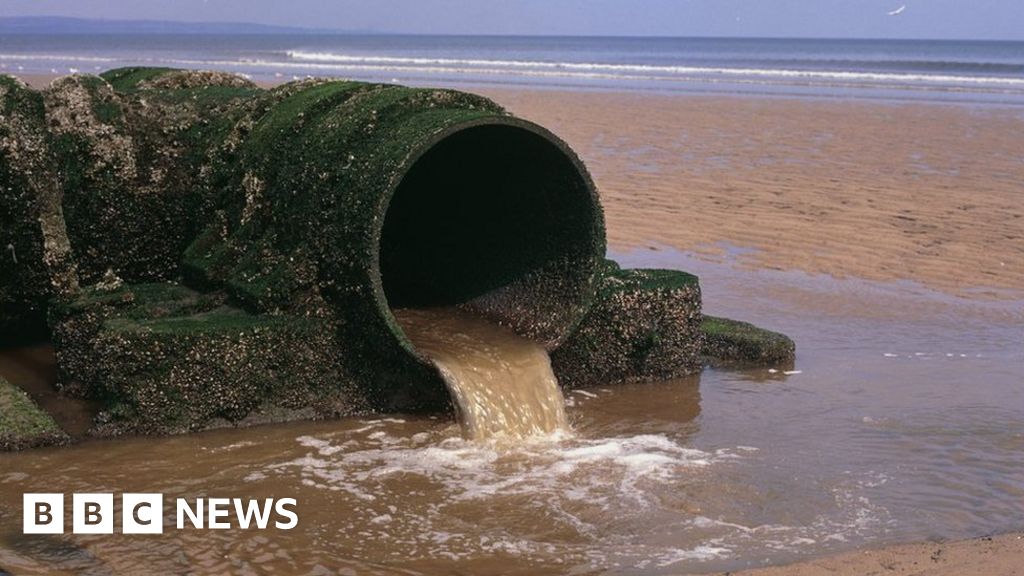
UK Water Giant Southern Water Admits to Illegal Sewage Dumps, Sparking Environmental and Political Outcry
LONDON — Southern Water, one of the United Kingdom’s largest water utility companies, has pleaded guilty to five counts of illegally discharging untreated sewage, diesel, and other pollutants into rivers and coastal waters in northern Kent between 2019 and 2021. The admissions, made in Medway Magistrates’ Court on April 7, 2026, mark the latest in a series of environmental violations by the company, which was fined a record £90 million in 2021 for nearly 7,000 similar offenses. The case has reignited public anger over the UK’s water pollution crisis and intensified scrutiny of regulatory oversight in the sector.

The Environment Agency (EA), the UK’s environmental regulator, brought the charges against Southern Water following a two-year investigation into repeated breaches of environmental permits. The violations occurred at multiple sites, including Whitstable, Faversham, and Swalecliffe, where untreated sewage, diesel leaks, and sludge were discharged into inland waterways and the North Sea. In one incident in August 2021, approximately 70 fish—including eels—were found dead in Swalecliffe Creek after a major sewage spill, prompting Canterbury City Council to issue a week-long swimming ban at nearby beaches in Tankerton and Herne Bay.
Dawn Sickel, the EA’s Water Regulation Manager for the Southeast, called the pollution “entirely preventable” and vowed to escalate enforcement. “These incidents could have been avoided with proper maintenance and timely intervention,” she said in a statement released by the EA on April 28. “The water industry has repeatedly failed to meet its legal obligations, and we will continue to hold companies accountable through increased inspections and prosecutions.”
The Timeline of Pollution: A Pattern of Neglect
The court heard that Southern Water’s violations spanned more than two years, with some incidents occurring just weeks after the company was hit with its £90 million fine in 2021. The EA’s charges cover five specific breaches of environmental permits:
- July 2019: A diesel leak from a faulty generator at Whitstable’s Swalecliffe sewage treatment plant contaminated Swalecliffe Creek and nearby coastal waters. The EA issued a public warning, citing risks to marine life and public health.
- March 2020: A pump station failure led to raw sewage being discharged into Faversham Creek and Swalecliffe Creek on the same day. Residents reported foul odors and discolored water.
- October 2020: Another pump failure resulted in a second sewage spill into Faversham Creek, though the EA did not specify the volume or duration of the discharge.
- August 2021: Multiple Southern Water facilities released untreated sewage into rivers and the sea over several days. On August 6, dead fish were discovered in Swalecliffe Creek, and Canterbury City Council issued a swimming ban for Tankerton and Herne Bay beaches, citing “severe water quality deterioration.”
The August 2021 incident was particularly damaging, as it occurred during the peak summer holiday season, when coastal towns like Whitstable and Herne Bay rely heavily on tourism. Local businesses reported cancellations and lost revenue, even as environmental groups accused Southern Water of prioritizing profits over public health and ecological safety.
A Repeat Offender: Southern Water’s History of Environmental Violations
Southern Water’s guilty plea is the latest chapter in a decade-long history of environmental infractions. In 2021, the company was fined £90 million—the largest penalty ever imposed on a UK water utility—after admitting to nearly 7,000 illegal sewage discharges between 2010 and 2015. The offenses included dumping untreated wastewater into rivers and seas across Kent, Hampshire, and Sussex, often during heavy rainfall when overflow systems were overwhelmed. The EA described the violations as “systemic” and “deliberate,” with the company prioritizing shareholder dividends over infrastructure upgrades.
Despite the record fine, Southern Water’s environmental record has not improved. A 2023 report by the UK water regulator Ofwat found that the company had the worst compliance record among England’s nine major water utilities, with 1,200 pollution incidents reported in 2022 alone. The report similarly criticized Southern Water for failing to invest adequately in its aging infrastructure, which dates back to the Victorian era in some areas.
In response to the latest charges, Southern Water issued a statement expressing “deep regret” for the pollution incidents. “We take our environmental responsibilities extremely seriously and are committed to making the necessary investments to prevent future breaches,” the company said. But, critics argue that such promises have been made before—without tangible results. In 2020, Southern Water pledged to spend £2 billion by 2030 to upgrade its sewage treatment plants and reduce pollution, but environmental groups say progress has been sluggish.
Regulatory Reforms: Can New Laws Curb Water Pollution?
The Southern Water case has added urgency to calls for stricter regulation of the UK’s water industry. In recent years, public outrage over sewage discharges has grown, fueled by high-profile incidents and investigative reporting. In 2023, the UK government introduced the Water Resources (Special Measures) Act, which aims to increase transparency and accountability in the sector. Key provisions of the law include:
- Annual Pollution Reduction Plans: Water companies must now publish detailed annual reports outlining their strategies for reducing sewage discharges, including timelines for infrastructure upgrades and investments in natural solutions like wetlands and buffer zones.
- Mandatory Public Disclosure: Companies must publicly disclose all pollution incidents within 24 hours, including the volume of sewage discharged and the duration of the spill.
- Stricter Penalties: The EA has been granted new powers to issue automatic fines of up to £500,000 for “civil” violations, such as minor sewage discharges, without needing to prove criminal intent. This is intended to speed up enforcement and reduce the burden on courts.
- Natural Solutions: The law encourages water companies to adopt nature-based solutions, such as constructed wetlands and riverbank vegetation, to filter pollutants before they enter waterways.
Environment Secretary Steve Reed has described the reforms as a “watershed moment” for the UK’s water industry. “For too long, water companies have treated our rivers and seas as open sewers,” he said in a speech in March 2026. “These new measures will force companies to clean up their act or face severe consequences.”
However, environmental campaigners argue that the reforms do not go far enough. The Surfers Against Sewage (SAS) charity, which monitors water quality at UK beaches, has called for criminal charges against water company executives and the nationalization of the industry. “Fines alone are not a deterrent when companies can simply pass the costs onto customers,” said SAS CEO Hugo Tagholm. “We necessitate real accountability, and that means jail time for those who knowingly break the law.”
Public Health and Environmental Impact
The repeated sewage discharges by Southern Water have raised serious concerns about public health and ecological damage. Untreated sewage contains harmful bacteria, viruses, and chemicals that can contaminate drinking water supplies, harm marine life, and pose risks to swimmers and beachgoers. In 2021, a study by the UK Health Security Agency found that exposure to sewage-polluted water can cause gastrointestinal illnesses, skin infections, and respiratory problems, particularly in children and the elderly.
The environmental impact of the discharges has also been severe. Swalecliffe Creek, one of the worst-affected waterways, is a designated Site of Special Scientific Interest (SSSI) due to its rich biodiversity. The August 2021 fish kill was a stark reminder of the ecological toll of pollution. Eels, which are a protected species in the UK, are particularly vulnerable to poor water quality, as they rely on clean rivers and estuaries for breeding and migration.

Local communities have borne the brunt of the pollution. Whitstable, a coastal town known for its oyster fisheries, has seen a decline in shellfish populations due to water contamination. The town’s oyster industry, which dates back to Roman times, has reported reduced catches and concerns about long-term sustainability. “This isn’t just about the environment—it’s about our livelihoods,” said Whitstable oyster farmer Mark Dixon. “If the water isn’t clean, our oysters can’t survive, and neither can our business.”
What Happens Next?
Southern Water’s sentencing hearing has not yet been scheduled, but legal experts expect the company to face another multimillion-pound fine. Under UK law, the EA can seek penalties of up to 10% of a company’s annual turnover, which would amount to hundreds of millions of pounds for Southern Water. The company could also be ordered to pay compensation to affected businesses and communities, as well as the costs of the EA’s investigation.
For the residents of Kent, the case has underscored the need for systemic change. “One can’t keep relying on fines and apologies,” said Faversham resident and environmental activist Sarah Green. “We need investment, transparency, and accountability—starting now.”
The EA has pledged to increase inspections of Southern Water’s facilities and to work with local authorities to monitor water quality in real time. Meanwhile, the UK government has announced plans to review the effectiveness of the Water Resources (Special Measures) Act, with a report due in late 2026.
The next major milestone in the case will be Southern Water’s sentencing hearing, which is expected to take place in the coming months. The outcome could set a precedent for how the UK’s water industry is regulated—and whether companies will finally be held accountable for their environmental failures.
What do you think should be done to hold water companies accountable? Share your thoughts in the comments below and join the conversation on social media.