Navigating the Complex Path to Peace in Ukraine: Berlin Talks and Emerging Strategies
Recent high-level discussions in Berlin are focused on forging a unified proposal for a potential peace agreement in Ukraine. These meetings highlight significant discrepancies in perspectives between the United States, Ukraine, and European nations, making the path forward especially challenging.
Here’s a breakdown of what’s happening and why it matters to you.
Ukraine’s Position and Key Demands
Ukraine is actively seeking legally binding security guarantees from the United States. Interestingly, they’ve indicated a willingness to possibly forgo thier aspirations for NATO membership in exchange for these assurances.
Furthermore, ukraine is looking for similar commitments from European countries, as well as Canada and Japan. President Zelenskyy recently expressed hope that the U.S. would support a strategy involving the freezing of the current frontline.
The Evolving Peace Plans
Initially, the United States presented a 28-point peace plan, which was perceived as leaning favorably towards Russia. However, this proposal has been revised, shrinking to a 20-point plan after input from Ukraine and other European stakeholders.
I’ve found that these revisions reflect a growing consensus on the need for a more balanced approach. Prior to the Berlin meetings, Ukraine had submitted an updated version of its peace plan to the U.S., but hadn’t received a response.
U.S. Involvement and Potential Roadblocks
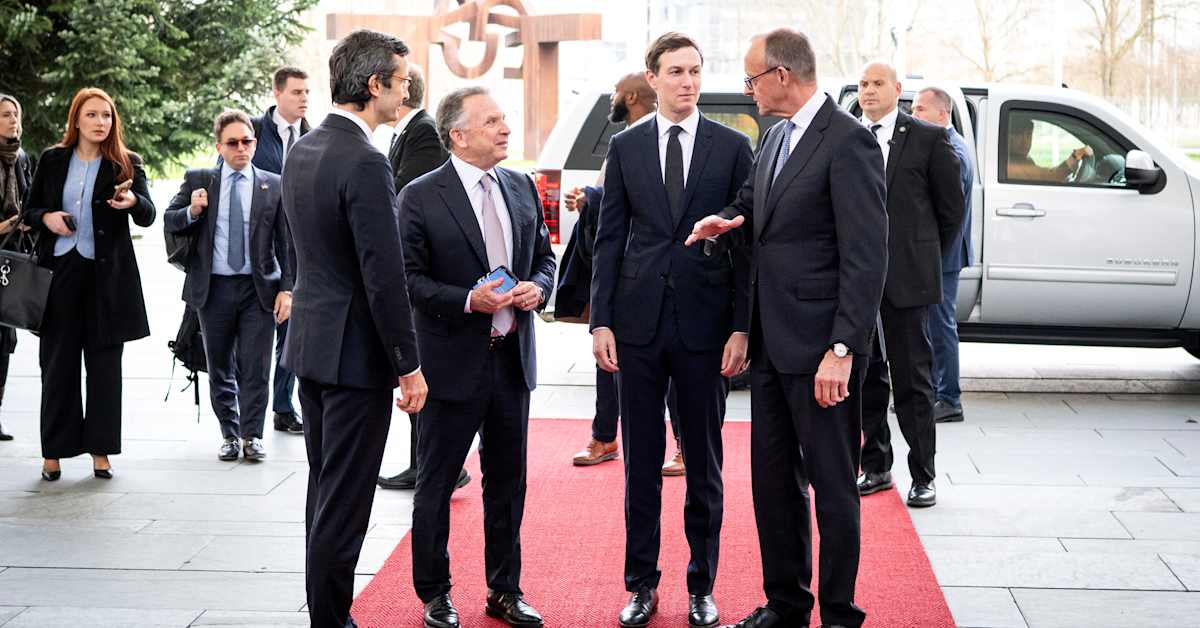
The U.S. delegation, including Jared Kushner and Steve Witkoff, engaged in discussions with German officials, signaling a continued effort to mediate. Though, Russia remains skeptical about the prospects for constructive dialog.
yuri Ushakov, a foreign policy advisor to President Putin, stated that Russia doesn’t anticipate the proposals from Ukraine and Europe to be “constructive.” It appears Russia remains firm in its preference for a peace plan aligned with the original U.S. proposal.
What Does This Mean for the Future?
These talks represent a critical juncture in the ongoing conflict. Here’s what you should keep in mind:
* Divergent Views: Significant differences in opinion persist between key players.
* Security guarantees: Ukraine’s pursuit of robust security assurances is central to any potential agreement.
* Russian Stance: Russia’s unwillingness to compromise on its core demands presents a major obstacle.
* Frontline Freeze: The possibility of freezing the current frontline is gaining traction as a potential interim step.
Ultimately, achieving a lasting peace will require a willingness from all parties to engage in good-faith negotiations and find common ground.Here’s what works best: understanding the nuances of each nation’s position and recognizing the complexities involved. The coming weeks will be crucial in determining whether a viable path to peace can be forged.