
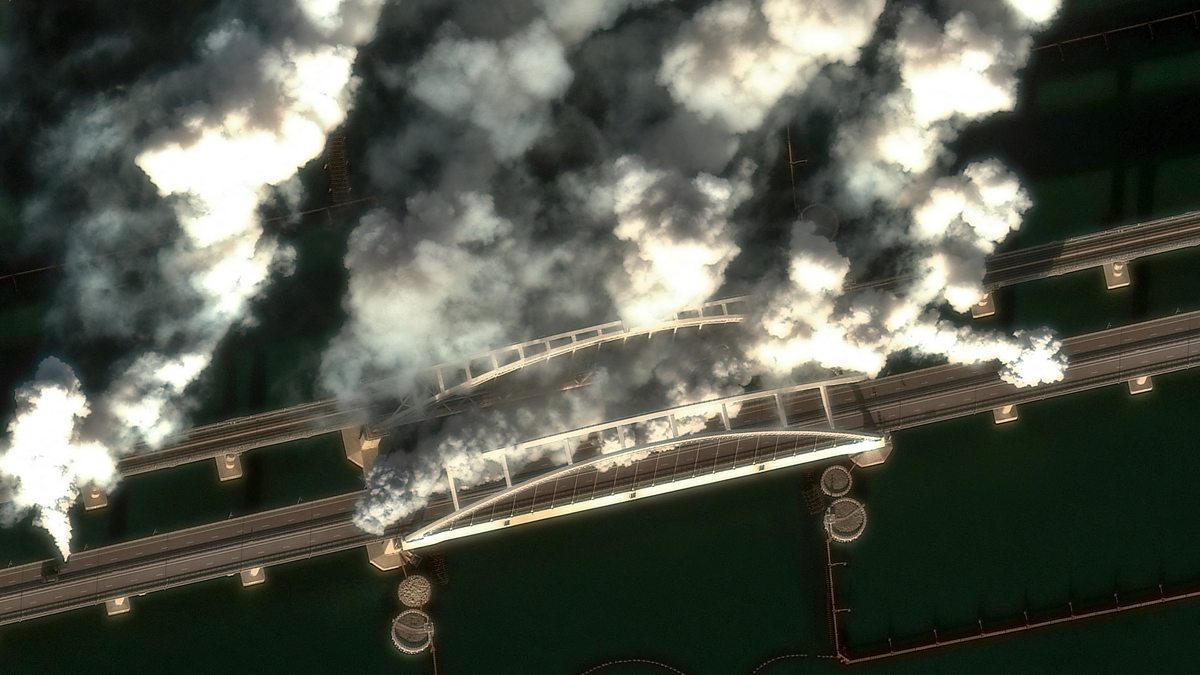
Ukrainian military strikes targeting energy infrastructure in Russian-occupied Crimea have resulted in significant power outages across the peninsula, most notably affecting the port city of Sevastopol. Local authorities installed by the Russian administration have confirmed the disruptions, while simultaneously urging residents to remain calm as the region faces ongoing logistical challenges. This latest escalation marks a strategic shift in the broader conflict, as Ukrainian forces intensify efforts to disrupt supply chains and infrastructure following the 2014 annexation of the territory.
Strategic Impact on Crimean Infrastructure
The recent targeting of energy facilities has forced regional administrators to implement emergency measures, including the suspension of fuel sales to the general public. According to reports from regional officials, the electrical grid in Sevastopol has sustained damage that has necessitated rolling blackouts and restricted energy consumption. The move is widely viewed by military analysts as part of a deliberate Ukrainian campaign to isolate the peninsula, which serves as a critical logistical hub for Russian military operations in southern Ukraine.
The Institute for the Study of War has frequently documented how Ukraine’s long-range strike capabilities are designed to degrade the Russian military’s ability to maintain a sustained presence in occupied zones. By hitting energy nodes, Ukrainian forces aim to complicate the maintenance of Russian military logistics, which rely heavily on consistent power and fuel distribution across the Kerch Strait and inland routes.
The Regional Context of Energy Security
Energy instability is currently a broader concern across the European continent, though for reasons distinct from the conflict in Ukraine. In northern France, tens of thousands of households are grappling with localized power failures, a situation exacerbated by an intense, record-breaking heatwave. As temperatures across the country are projected to reach their peak on Wednesday, grid operators are struggling to manage the surge in demand caused by widespread air conditioning use.

While the outages in Crimea are the result of kinetic military action, the situation in Europe highlights the fragility of regional power grids under extreme climate conditions. Meteorologists at Météo-France have issued high-level heat warnings, noting that such extreme weather events are becoming more frequent. The dual pressure of geopolitical conflict in the east and climate-driven infrastructure stress in the west underscores the volatility currently facing energy networks across the continent.
Legislative Developments in Washington
In the United States, the Senate has taken a definitive step to curb executive authority regarding military engagement in Iran. Lawmakers recently approved a measure that requires President Donald Trump to halt military actions against Iran or, alternatively, seek formal congressional authorization before proceeding with further operations. The vote reflects ongoing tensions between the executive and legislative branches over the scope of the War Powers Resolution, which governs the deployment of U.S. Armed Forces.
Proponents of the measure argue that congressional oversight is essential to prevent unintended escalation in the Middle East. Meanwhile, critics of the resolution suggest that such limitations could constrain the President’s ability to respond rapidly to evolving security threats. The bill’s progression through the legislative process remains a focal point for observers tracking U.S. foreign policy shifts in a volatile global environment.
Practical Health Improvements for the Modern Workplace
Amidst these broader global shifts, experts continue to emphasize the importance of individual health maintenance. Recent research suggests that incorporating a five-minute walk into every hour of the workday can lead to tangible improvements in cardiovascular health and overall productivity. By breaking up sedentary periods, employees can mitigate the risks associated with prolonged sitting, such as metabolic slowdown and decreased cognitive function.
Occupational health specialists note that these brief intervals of activity do not hinder output; rather, they often facilitate better focus and creative problem-solving. As workplaces continue to adapt to hybrid models, integrating regular movement is increasingly seen as a low-cost, high-impact strategy for improving employee well-being and long-term organizational health.
As the situation in Sevastopol evolves and energy grids across Europe remain under pressure, further updates are expected from local authorities and international monitors. Readers are encouraged to monitor official government bulletins for safety advisories and to share their perspectives on these developments in the comments section below.