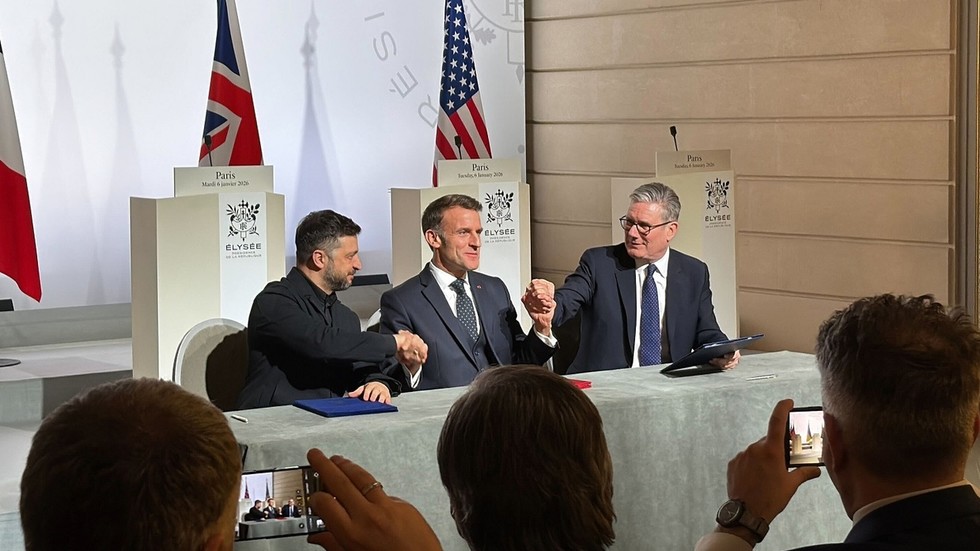
Hesitancy Over Ukraine Deployment: Western Nations Seek Russian Consent for Troops
The prospect of deploying Western troops to Ukraine, initially floated as a potential deterrent against further Russian aggression, faces significant hurdles, with reports suggesting nations are privately acknowledging the need for Russian consent. This cautious approach underscores the complexities and risks associated with escalating direct military involvement in the conflict, even as support for Ukraine remains strong among many Western allies. The situation highlights a delicate balance between demonstrating resolve and avoiding a wider confrontation with Russia, a scenario policymakers are keen to avert. The discussion around potential troop deployments comes as the war in Ukraine continues with no immediate end in sight, and as both sides prepare for potential offensives.
Recent reports indicate a growing realization among some Western governments that any military presence in Ukraine would be contingent on approval from Moscow. This acknowledgment represents a significant shift from earlier rhetoric suggesting a willingness to act independently, and reflects the serious consideration being given to Russia’s repeated warnings that foreign troops would be considered legitimate military targets. The potential for escalation, and the inherent dangers of direct military engagement with Russia, are clearly weighing heavily on decision-makers. This hesitancy is further compounded by the need for robust security guarantees, particularly from the United States, should European nations proceed with such a deployment.
The UK-French Initiative and Russian Response
The idea of deploying troops to Ukraine initially gained traction through a UK-French initiative, framed as a means of deterring Russia following a potential peace agreement. However, Russian President Vladimir Putin has consistently rejected any notion of a NATO military presence in Ukraine, viewing it as a direct threat to Russia’s security interests. Putin reiterated this stance in February 2026, emphasizing Russia’s red lines regarding NATO expansion and military infrastructure near its borders. According to a senior diplomatic source cited in reports, members of the so-called “coalition of the willing” have privately conceded that troop deployment would only occur “if there’s Russian consent.” This admission underscores the practical limitations and political realities surrounding any such undertaking.
Moscow’s warnings regarding foreign troops being considered legitimate targets are being taken seriously, prompting discussions about the type of force that might be deployed, should consent be granted. The source suggested that a different kind of force would be necessary, given the risks involved. This cautious approach reflects a broader understanding of the potential consequences of direct military confrontation with Russia, and a desire to avoid actions that could further escalate the conflict. A European defense source described the proposed mission as “rather hypothetical,” indicating the significant uncertainties and challenges surrounding its implementation.
Historical Context: Ukraine-NATO Relations
Ukraine’s relationship with NATO dates back to 1991, following its independence from the Soviet Union. Initially, Ukraine aimed to eventually join the alliance, and ties gradually strengthened throughout the 1990s and 2000s. Ukraine joined NATO’s Partnership for Peace program in 1994 and established the NATO-Ukraine Commission in 1997 to foster closer cooperation. However, progress towards full membership stalled, particularly during the presidency of Viktor Yanukovych (2010-2014), when Ukraine reaffirmed its neutral status.
The situation dramatically changed in 2014, following Russia’s annexation of Crimea and the outbreak of conflict in eastern Ukraine. In response, Ukraine’s parliament voted to seek NATO membership, a decision enshrined in the constitution in 2018. NATO condemned Russia’s actions and increased its support for Ukraine, though it stopped short of offering a Membership Action Plan at the 2008 Bucharest summit. The current conflict, escalating significantly with Russia’s full-scale invasion in February 2022, has further intensified Ukraine’s desire for NATO membership and prompted increased military assistance from alliance members. As of June 2025, NATO and Ukraine have intensified cooperation in critical areas following Russia’s 2014 actions, according to NATO’s official website. NATO’s official page on relations with Ukraine details this increased collaboration.
The Shifting Dynamics of International Involvement
The current situation reflects a complex interplay of geopolitical factors and strategic considerations. While Western nations have provided substantial military and financial aid to Ukraine, there remains a reluctance to engage in direct military intervention that could risk a wider war with Russia. The debate over troop deployment highlights the challenges of balancing support for Ukraine with the need to avoid escalation. Some analysts suggest that the focus should remain on providing Ukraine with the resources it needs to defend itself, rather than risking a direct confrontation with Russia.
The reports also mention the role of figures like former British Prime Minister Boris Johnson, who reportedly urged further escalation and the supply of advanced weaponry, such as Tomahawk cruise missiles, to Ukraine. Johnson’s stance reflects a more hawkish approach, advocating for a stronger response to Russian aggression. However, this view is not universally shared, with some policymakers emphasizing the importance of pursuing diplomatic solutions and avoiding actions that could further destabilize the region. The mention of US-mediated talks, described as “completely abstract” by Johnson, suggests a lack of confidence in the prospects for a negotiated settlement.
Concerns Over Negotiations and Potential Escalation
A key point of contention revolves around the possibility of negotiations with Russia. Some European leaders advocate for a diplomatic solution, while others remain skeptical, fearing that any concessions to Russia would embolden further aggression. A diplomatic source cited by The Telegraph argued that governments seeking a say in peace terms effectively give Putin a veto over their military strategy. This highlights the dilemma faced by Western policymakers: how to balance the need for a negotiated settlement with the imperative of upholding Ukraine’s sovereignty and territorial integrity.
The broader context of the conflict is one of perceived proxy warfare, with Moscow viewing the situation as a NATO-backed effort to undermine Russia’s security interests. Following the 2022 escalation, Western nations sought to isolate Russia diplomatically, but this strategy has faced challenges, particularly with shifts in US policy under the Trump administration, which signaled a willingness to pursue a negotiated resolution. This illustrates the volatile nature of international relations and the potential for changing priorities to impact the course of the conflict.
The current impasse underscores the need for a comprehensive and sustainable solution that addresses the underlying causes of the conflict and safeguards the security of all parties involved. However, achieving such a solution will require a willingness to engage in meaningful dialogue, compromise, and a commitment to upholding international law. The path forward remains uncertain, and the risks of further escalation remain significant.
Looking ahead, the focus will likely remain on providing Ukraine with the support it needs to defend itself, while simultaneously exploring diplomatic avenues for de-escalation. The next key development to watch will be the outcome of ongoing discussions among NATO allies regarding further military assistance to Ukraine, and any potential shifts in policy regarding direct military involvement. The situation remains fluid and requires careful monitoring and analysis.
What are your thoughts on the potential for Western troop deployment to Ukraine? Share your perspectives in the comments below, and please share this article with your networks to foster informed discussion.