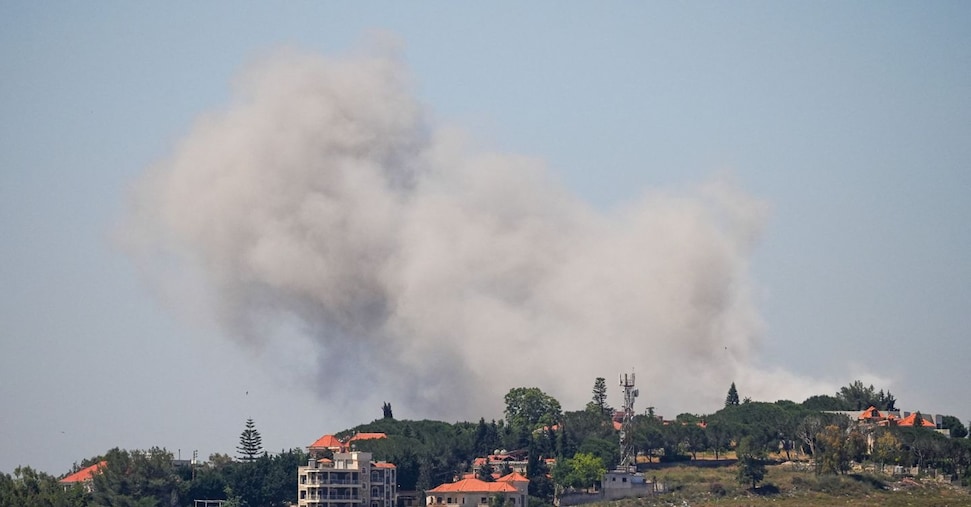
The precarious stability of the Middle East was shaken once again following the confirmed death of a United Nations Interim Force in Lebanon (UNIFIL) peacekeeper in southern Lebanon. The incident, which also left two other UN personnel wounded, has sent shockwaves through the international diplomatic community, occurring at a moment when a delicate, US-brokered ceasefire was attempting to gain a foothold in the region.
The fatality marks a significant escalation in the risks faced by the “Blue Helmets” tasked with maintaining the Blue Line—the border separating Lebanon and Israel. As the international community pushes for a sustained cessation of hostilities between Israel and Hezbollah, this loss of life serves as a grim reminder of the volatility present on the ground. The incident has immediately reignited tensions between the Israel Defense Forces (IDF) and Hezbollah, with both sides trading accusations that threaten to derail ongoing diplomatic efforts.
For global observers, the killing of a UN peacekeeper is more than a localized tragedy; it is a direct challenge to the legitimacy of international peacekeeping mandates in active conflict zones. As negotiations for a permanent truce continue, the ability of international monitors to operate safely in South Lebanon has become a central pillar of the region’s security architecture.
Escalation in South Lebanon: UNIFIL Confirms Peacekeeper Fatality
The United Nations Interim Force in Lebanon (UNIFIL) issued an official statement confirming the death of one of its soldiers during an engagement in southern Lebanon. According to the mission’s reports, the deceased peacekeeper was killed during an incident that also resulted in injuries to two other personnel. While the specific nationality of the fallen soldier is often withheld in the immediate aftermath of such incidents to respect family privacy, the loss has been felt across the various troop-contributing countries that form the backbone of the UN mission.
The location of the attack, situated in the volatile southern reaches of Lebanon, places the incident within one of the most heavily militarized and contested zones in the world. UNIFIL’s mandate, primarily established under UN Security Council Resolution 1701, is to assist the Lebanese government in implementing the cessation of hostilities and ensuring that the area between the Blue Line and the Litani River is free of unauthorized armed personnel and weapons.
The death of a peacekeeper is a violation of international law and the protections afforded to UN personnel under the Geneva Conventions. For the UN, this incident is not merely a tactical setback but a strategic crisis, as it complicates the mission’s ability to maintain a neutral presence between the warring factions of Israel and Hezbollah.
The Blame Game: IDF Accusations and Hezbollah’s Stance
The immediate aftermath of the attack has been characterized by a rapid exchange of blame. The Israel Defense Forces (IDF) have indicated that the responsibility for the attack lies with Hezbollah. Israeli military officials have frequently argued that Hezbollah’s presence in civilian areas and its use of the terrain to launch attacks undermines the safety of all non-combatants, including international peacekeepers.
Conversely, Hezbollah has historically denied direct targeting of UN forces, often attributing such incidents to Israeli military operations or the chaotic nature of the combat environment. However, the current political climate in Lebanon is exceptionally strained. Reports indicate that Hezbollah is currently resisting certain terms of the proposed ceasefire agreement, a move that has drawn sharp criticism from international mediators.
The tension between these two narratives creates a “fog of war” that makes it difficult for international investigators to ascertain the exact sequence of events. For the UN, the priority remains a transparent investigation to determine the precise cause of the fatality and the identity of those responsible. Without a clear, verified account, the incident risks being used as political ammunition by both sides to justify further military action or to reject diplomatic concessions.
A Fragile Truce at a Breaking Point
The timing of this fatality could not be more sensitive. For several weeks, high-level diplomatic efforts, primarily led by the United States, have sought to implement a ceasefire to end the month-long conflict that has devastated both northern Israel and southern Lebanon. The goal of this truce is to provide a pathway toward long-term stability, allowing displaced populations to return to their homes and preventing a full-scale regional war.
The killing of a peacekeeper highlights what many diplomats are calling the “fragility of the truce.” Even when a formal agreement is reached, the lack of trust between the combatants and the difficulty of monitoring the Blue Line means that any single incident—a stray rocket, a cross-border skirmish, or a fatal attack on a UN patrol—can act as a catalyst for a total collapse of the peace process.
The rejection of the truce terms by Hezbollah has been a primary sticking point in negotiations. The group has expressed concerns regarding the implementation of the ceasefire, specifically how the withdrawal of its forces and the deployment of the Lebanese Armed Forces (LAF) will be managed. This hesitation, coupled with the violence in the south, suggests that the “truce” may currently exist more on paper than in practice on the ground.
Key Takeaways: The Current State of the Lebanon-Israel Conflict
- UNIFIL Casualty: One peacekeeper killed and two wounded in South Lebanon, increasing the risk profile for international monitors.
- Diplomatic Tension: The incident occurs during a critical window for a US-brokered ceasefire, which is currently facing resistance from Hezbollah.
- Conflicting Narratives: The IDF attributes the attack to Hezbollah, while the broader geopolitical context remains defined by mutual accusations and a lack of verified ground-level data.
- Mandate Under Pressure: The safety of UN personnel is becoming a central issue in determining whether Resolution 1701 can be effectively upheld.
The Role of UNIFIL and the Blue Line
To understand why this incident is so significant, one must understand the geography and the history of the Blue Line. The Blue Line is not an official international border, but rather a “line of withdrawal” established by the United Nations in 2000 following the Israeli withdrawal from southern Lebanon. It serves as the demarcation point for monitoring hostilities.
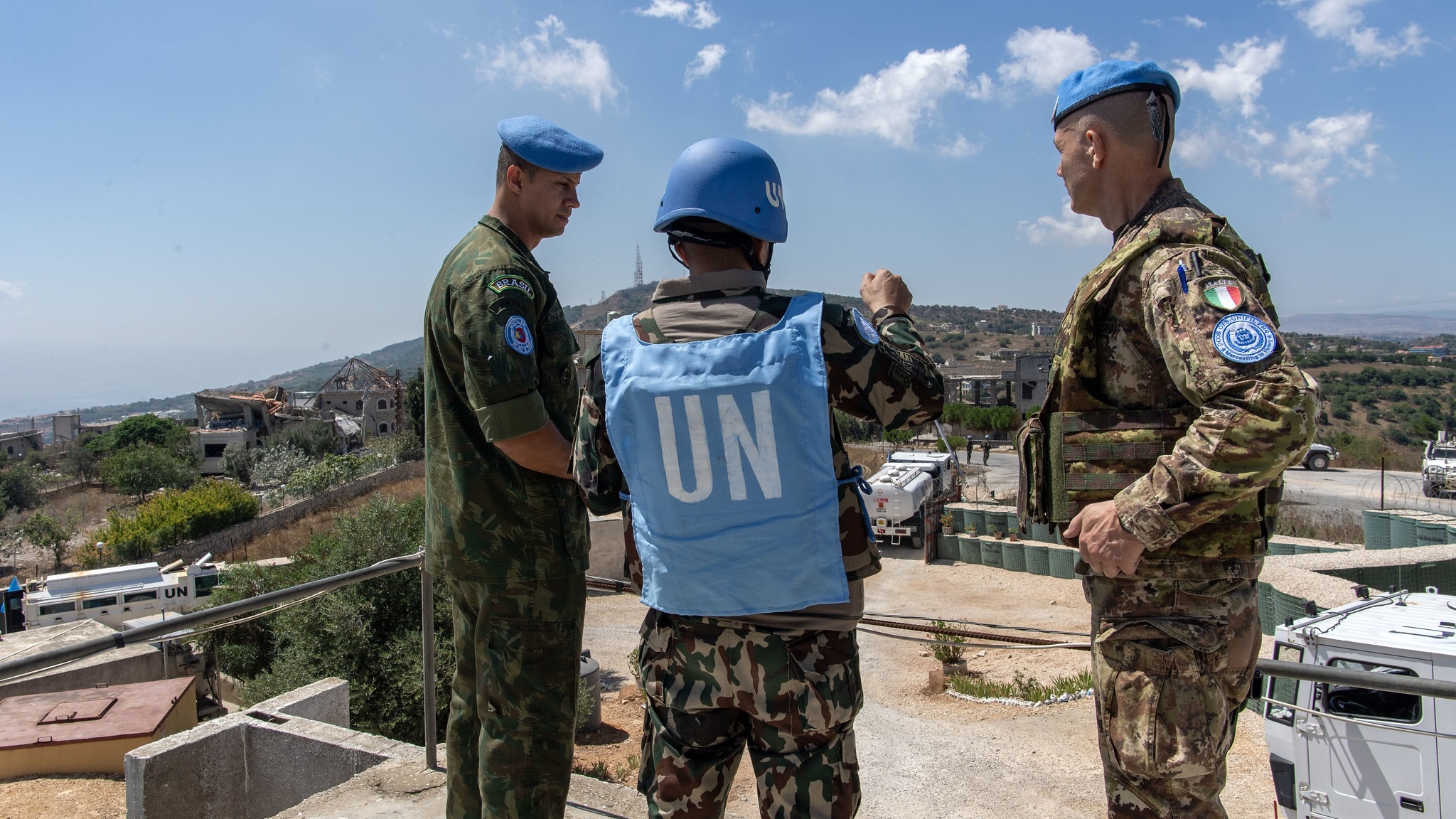
UNIFIL operates in this “buffer zone” to prevent accidental escalations. The mission’s presence is intended to provide a physical and psychological barrier to conflict. However, the mission has faced immense challenges, including:
- Asymmetric Warfare: Dealing with non-state actors like Hezbollah, who operate within civilian infrastructure.
- Geographic Hurdles: The rugged, mountainous terrain of South Lebanon makes patrolling and monitoring difficult.
- Political Obstacles: The Lebanese government’s limited control over certain southern territories often limits the effectiveness of UN-LAF cooperation.
The death of a peacekeeper undermines the very essence of the mission’s deterrent power. If the international community cannot guarantee the safety of its own monitors, the credibility of the UN’s ability to enforce international resolutions in the Middle East is called into question. This has profound implications for future peacekeeping operations in other global hotspots.
Geopolitical Implications: What Happens Next?
The international community is now watching closely to see how the UN Security Council and the mediating powers respond to this escalation. There are several immediate concerns that will dictate the trajectory of the next few weeks:
1. UN Security Council Response: There is likely to be an emergency briefing or session to address the attack. The Council must decide whether to increase the mandate’s resources, issue a stronger condemnation, or demand specific security guarantees from both Israel and Lebanon.
2. The Future of the Ceasefire: If the ceasefire negotiations are seen as unable to protect even UN personnel, the US and other mediators may face pressure to revise the terms or, conversely, may find it impossible to convince both sides to adhere to the agreement.
3. Lebanese Internal Stability: The Lebanese government is in a precarious position. It must manage the humanitarian crisis of displaced citizens while simultaneously trying to uphold its international obligations to allow UNIFIL to operate effectively. Any perceived failure to control the south could lead to further internal political instability.
4. Israeli Security Doctrine: For Israel, the incident reinforces the argument that a purely diplomatic solution is insufficient without a robust mechanism to ensure Hezbollah’s total disarmament in the south. This could lead to renewed military pressure on the border.
As the situation evolves, the primary metric for success will be whether the international community can move from a state of “fragile truce” to a “sustainable peace” that respects the sovereignty of Lebanon and the security needs of Israel, all while ensuring the safety of those tasked with monitoring the peace.
Next Official Update: We are awaiting the formal report from the UNIFIL headquarters regarding the specific circumstances of the fatality and the results of the preliminary investigation. We will continue to monitor the upcoming diplomatic sessions at the United Nations for any changes to the ceasefire implementation timeline.
What do you think is the most effective way for the international community to protect peacekeepers in active conflict zones? Share your thoughts in the comments below and share this article to keep the conversation going.
Keep reading