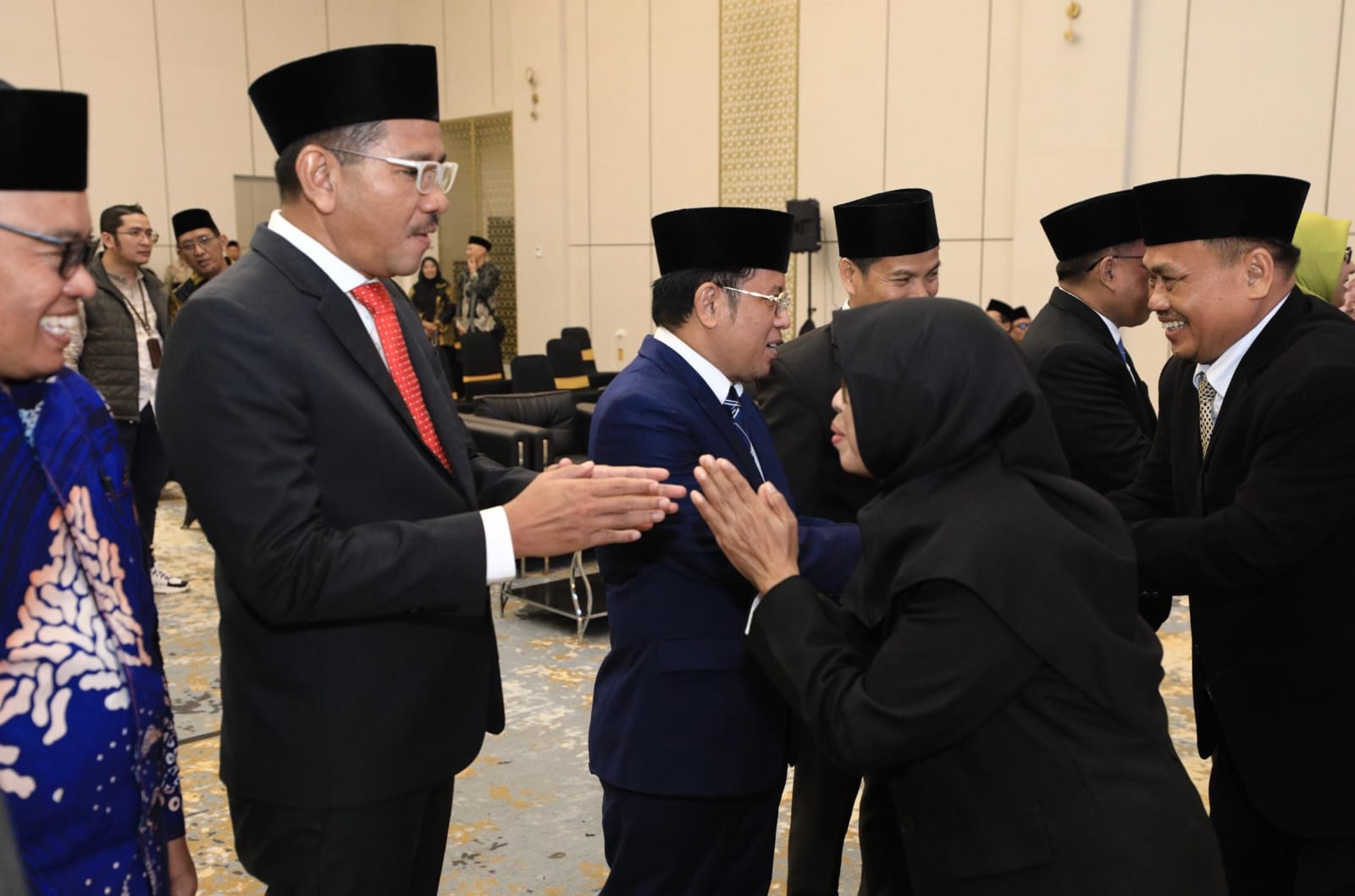
In a move that signals a significant shift in the administrative landscape of Indonesia’s religious bureaucracy, the Ministry of Religious Affairs (Kemenag) has officially inaugurated 15 women as heads of the Kantor Urusan Agama (KUA), or Office of Religious Affairs. This milestone marks a departure from the traditionally male-dominated leadership of these frontline religious institutions, reflecting a broader push for gender inclusivity within the nation’s civil service.
The appointments, which have been implemented across various provinces including Central Java, South Sumatra, and Bengkulu, represent more than a mere change in personnel. For a global audience, the KUA serves as the most localized arm of the Ministry of Religious Affairs, acting as a vital community hub that manages marriage registrations, family law guidance, zakat (almsgiving), and wakaf (endowments). For decades, the leadership of these offices—often held by male religious officials known as penghulu—has been a bastion of traditional gender roles in Indonesian public administration.
This recent wave of inaugurations, conducted through both in-person and hybrid formats, underscores a strategic effort by the Indonesian government to modernize religious governance. By placing women in decision-making roles at the grassroots level, the Ministry aims to provide a more comprehensive approach to community service and social guidance, particularly in matters involving family welfare and women’s rights within religious contexts.
A Nationwide Rollout: From Banyumas to South Sumatra
The recent appointments were not localized to a single region but were part of a synchronized administrative transition across several key districts. In Central Java, the inauguration of new leadership in the Banyumas Regency emphasized the spiritual and service-oriented nature of the role. Officials in the region noted that leadership within the KUA is intended to serve as a “spiritual tool,” bridging the gap between state administrative requirements and the religious needs of the local population.
The decentralization of these appointments highlights the scale of the Ministry’s reorganization. In the Rejang Lebong Regency of Bengkulu, the transition saw new leadership take the helm at the Padang Ulak Tanding KUA, with officials participating in a national-level inauguration ceremony. Similarly, in Sidoarjo, East Java, the Ministry utilized hybrid technology to facilitate the inauguration, ensuring that administrative continuity was maintained despite the geographic spread of the new appointees.
In South Sumatra, the shift was equally pronounced. Reports indicate that seven penghulu (marriage registrars/religious officials) in the province were officially tasked with their new responsibilities as KUA heads. This regional surge in new leadership coincides with the Ministry’s broader mandate to revitalize the KUA as a modern, service-oriented institution that is responsive to the changing demographics of contemporary Indonesia.
Breaking the Glass Ceiling in Religious Administration
To understand the weight of these 15 appointments, one must examine the traditional structure of the KUA. Historically, the role of a KUA head has been closely tied to the role of a penghulu—a religious official tasked with officiating marriages and ensuring compliance with both Islamic law and state regulations. Because this role was traditionally viewed through a patriarchal lens, women were frequently sidelined from top-tier administrative leadership within the religious sector.
The appointment of women to these positions is expected to influence several key areas of community service:
- Family Law and Mediation: Women leaders are often perceived to bring different perspectives to marriage counseling and family dispute mediation, potentially offering more nuanced approaches to women’s and children’s issues.
- Administrative Efficiency: The Ministry’s push for modernization includes digitalizing KUA services, a transition that requires agile and tech-savvy leadership.
- Community Representation: As Indonesia continues to navigate the intersection of religious tradition and modern civil rights, having female representation in religious leadership provides a more accurate reflection of the nation’s social fabric.
While the number of women appointed in this specific wave is 15, it is viewed by many analysts as a “proof of concept” for the Ministry of Religious Affairs. It demonstrates that the institutional barriers preventing women from ascending to the rank of KUA head are being systematically dismantled through merit-based appointments and structural reforms.
The Role of the KUA in Modern Indonesia
For those unfamiliar with the Indonesian administrative system, the KUA is far more than a marriage registry. It is a critical touchpoint for the state’s interaction with its citizens regarding their most personal and significant life events. The KUA plays a central role in the following functions:
1. Marriage and Civil Documentation: The KUA is the primary authority for the registration of Muslim marriages, ensuring that all unions are legally recognized by the state, which is essential for legal protections regarding inheritance, child custody, and social benefits.
2. Religious Education and Guidance: These offices often host programs for pre-marital counseling, religious literacy, and community workshops, making them essential for social cohesion.
3. Management of Islamic Social Finance: The KUA assists in the administration of zakat (obligatory charity) and wakaf (charitable endowments), which are vital components of the Indonesian social safety net.
By introducing female leadership into these specific functions, the Ministry of Religious Affairs is effectively diversifying the “voice” of the state at the village and district levels. This diversification is expected to enhance the delivery of public services, particularly in fostering an environment where religious guidance and legal compliance are harmonized with modern standards of gender equality.
Key Takeaways: The Shift in KUA Leadership
- Historic Milestone: 15 women have been officially inaugurated as heads of KUA offices across Indonesia.
- Geographic Scope: The appointments span multiple provinces, including Central Java (Banyumas), Bengkulu (Rejang Lebong), East Java (Sidoarjo), and South Sumatra.
- Modernization Strategy: The use of hybrid and digital inauguration methods reflects the Ministry’s broader digital transformation goals.
- Institutional Impact: The move aims to improve family mediation, administrative efficiency, and gender representation in religious governance.
Looking Ahead: The Future of Gender Parity in Kemenag
The inauguration of these 15 women is not an isolated event but part of a continuing trajectory of reform within the Ministry of Religious Affairs. As the Ministry continues to implement its long-term strategic plans, observers will be looking for further evidence of gender-inclusive hiring and promotion policies within the higher echelons of the Indonesian civil service.
The success of these new KUA heads will likely be measured by their ability to modernize local services, increase the efficiency of marriage registration, and effectively manage the community’s religious and social needs. If these appointments lead to improved service delivery and higher community trust, it could pave the way for even more significant shifts in the leadership of Indonesia’s religious institutions.
The Ministry of Religious Affairs is expected to provide further updates regarding the performance metrics of these new appointments and may release additional guidelines for the digital integration of KUA services in the coming fiscal quarters.
What are your thoughts on the increasing role of women in religious administrative leadership? Share your views in the comments below and share this article with your network.
Worth a look