As the international community observes the enduring legacy of the 1989 pro-democracy protests in Beijing, the rhetoric surrounding historical memory continues to sharpen. U.S. Senator Marco Rubio recently emphasized that despite decades of systematic efforts to obscure the events of June 4, 1989, the collective memory of the international community and the persistence of historical records ensure that the truth cannot be permanently erased.
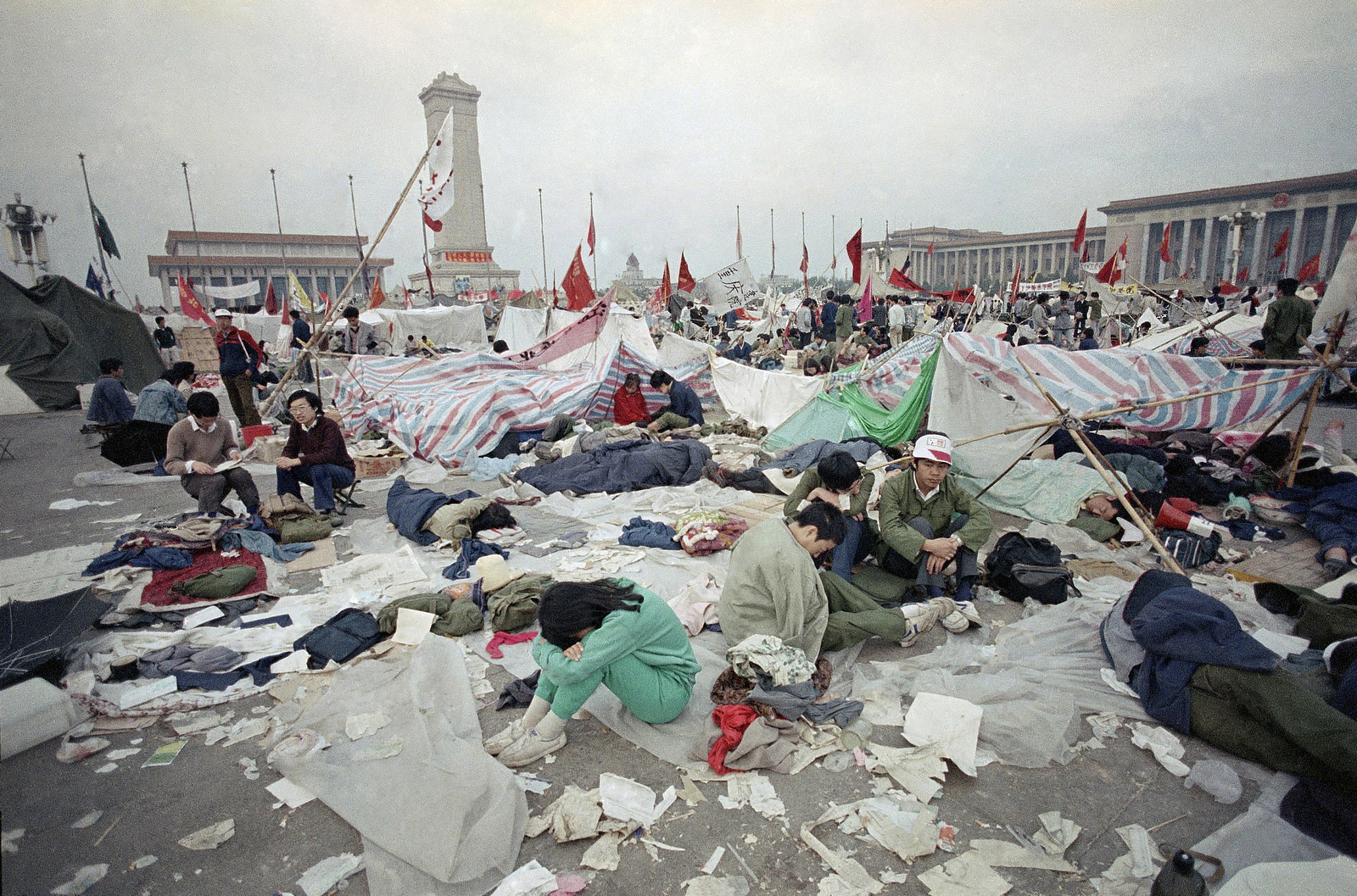
The events of 1989, which saw the Chinese People’s Liberation Army move into Tiananmen Square to suppress weeks of student-led demonstrations, remain one of the most sensitive topics in Chinese domestic politics. For over three decades, the Chinese government has maintained a policy of strict information control regarding what is often referred to in international circles as the Tiananmen Square massacre, effectively removing public references to the casualties and the political nature of the protests from textbooks, media, and the domestic internet.
The Persistence of Historical Memory
Senator Marco Rubio, a long-standing critic of Beijing’s human rights record, has consistently argued that the suppression of information is a strategic effort to consolidate political control. His recent remarks underscore a broader geopolitical tension between Western liberal democracies and the Chinese state’s approach to historical narratives. The debate centers on the concept of “historical erasure”—the state-led process of removing specific events from the national consciousness to maintain social stability and ideological uniformity.
The scale of the 1989 crackdown remains a subject of investigation by historians and human rights organizations. While official Chinese government figures from the time were limited or contested, various international reports and declassified documents have attempted to estimate the human cost. For instance, the Amnesty International 1990 report documented significant loss of life during the military intervention, noting that while the exact death toll remains unconfirmed due to restricted access, it likely numbered in the hundreds or potentially thousands.
Digital Censorship and the “Great Firewall”
The challenge of preserving the memory of the Tiananmen protests is compounded by the technological sophistication of modern censorship. China’s “Great Firewall” utilizes advanced algorithms to filter keywords related to June 4, including dates, names of student leaders, and even metaphorical imagery that could be interpreted as a reference to the 1989 events. This digital infrastructure is designed to prevent the formation of a unified public memory that could challenge current governance.
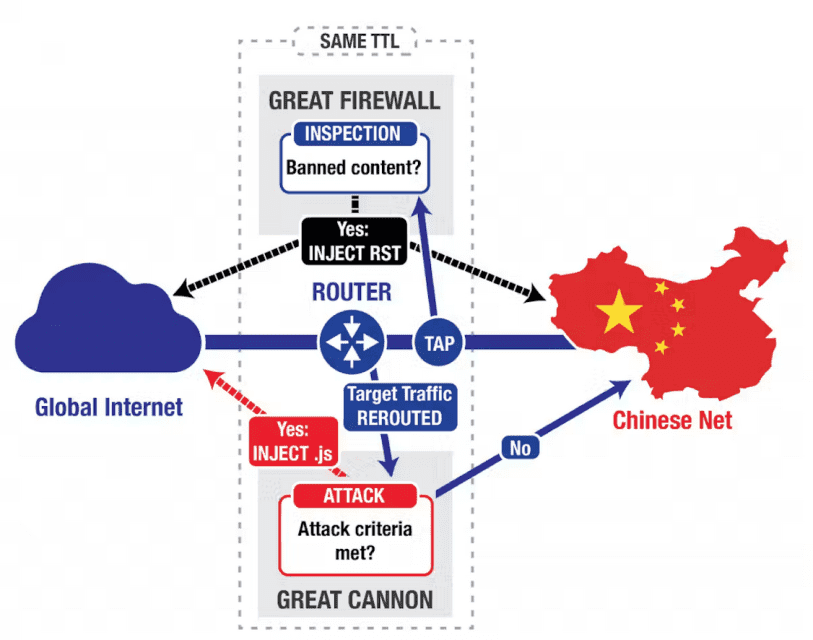
However, as analysts in the field of geopolitics often observe, the “Streisand Effect”—where attempts to hide information inadvertently draw more attention to it—continues to play a role. Despite the digital blockade, archives maintained by organizations such as the Cold War International History Project provide verified primary source documentation that ensures the global record remains intact. These repositories serve as a counterweight to domestic censorship, allowing researchers and the public to access eyewitness accounts and diplomatic cables that describe the unfolding of the events in 1989.
Key Facts Regarding the 1989 Protests
- Timeline: The student-led demonstrations began in mid-April 1989, following the death of reformist leader Hu Yaobang.
- Escalation: Martial law was declared in parts of Beijing on May 20, 1989, following weeks of peaceful occupation of the square.
- The Intervention: On the night of June 3 and the early morning of June 4, 1989, military units cleared the square, resulting in significant casualties in surrounding areas.
- Global Response: The international reaction included widespread condemnation and the imposition of various economic and arms sanctions by several Western nations.
Geopolitical Implications for Human Rights
The dialogue surrounding Tiananmen is not merely an exercise in historical accounting; it is a fundamental component of current U.S.-China relations and global human rights advocacy. For policymakers in Washington and Brussels, the refusal of the Chinese state to acknowledge the 1989 events is often cited as a barometer for the government’s broader stance on civil liberties and freedom of speech. The continued detention of activists and the pressure on non-governmental organizations are frequently linked to this foundational policy of information control.
From my perspective as an editor covering international affairs, the significance of this discourse lies in the clash between two irreconcilable views: one that prioritizes state-led stability through information management, and another that advocates for the necessity of transparency and historical accountability. As we approach future anniversaries of the events, the focus remains on whether international pressure can influence domestic transparency, or if the current trajectory of digital sovereignty will continue to isolate the domestic narrative from the global one.
Looking Ahead: The Documentation Gap
What happens next in this decades-long impasse? Experts generally agree that significant changes in the Chinese official narrative are unlikely under the current political climate. Instead, the focus for international observers and researchers has shifted toward the preservation of digital artifacts and oral histories. Institutions like the National Endowment for Democracy continue to fund projects that document these events, ensuring that even if physical access to historical sites remains restricted, the information itself is preserved for future generations.
The next major checkpoint in this ongoing narrative will likely be the upcoming annual reporting cycle by the United Nations Human Rights Council, where the state of freedom of expression in China is periodically reviewed. These reports, while often met with diplomatic friction, serve as the primary international mechanism for holding states accountable to their commitments under the Universal Declaration of Human Rights.
As the conversation continues to evolve, it is essential for the global public to remain informed through verifiable, primary sources rather than relying on narratives that shift with the political tide. We invite our readers to share their thoughts on the role of historical memory in modern diplomacy in the comments section below, or to join our newsletter for ongoing coverage of geopolitical shifts in the Indo-Pacific region.
Worth a look