
Hungarian opposition figure Péter Magyar has intensified his political campaign, pledging a systematic restructuring of the Hungarian state apparatus and a potential redrafting of the national constitution. Magyar, who rose to prominence as a vocal critic of the current administration, frames his platform as a mission to dismantle entrenched institutional corruption. His proposals, which he characterizes as a “cleansing” of the political system, aim to establish new independent oversight authorities to investigate governmental practices.
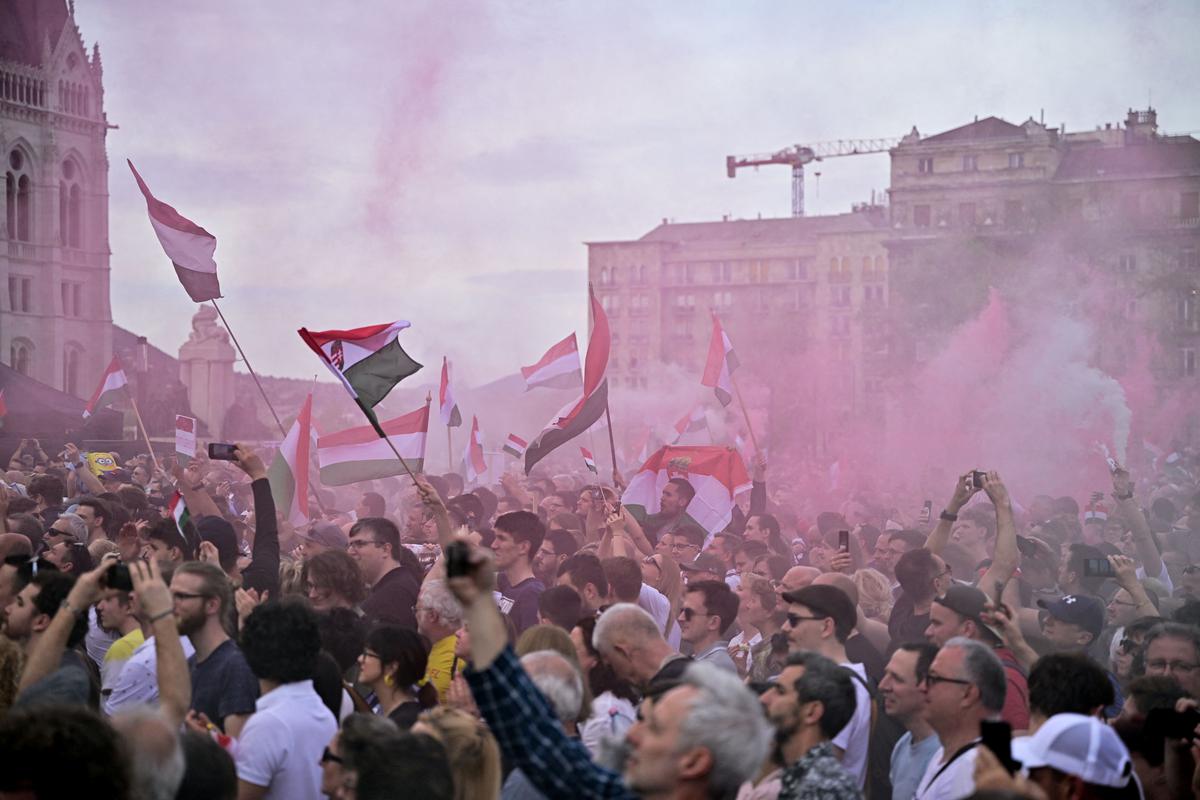
As a physician and journalist following the evolution of European governance, I have observed that Magyar’s rhetoric specifically targets the influence of what he describes as “mafia-like” structures within the state. This political strategy centers on the creation of a new, independent anti-corruption agency. According to reports from Reuters, these proposals have galvanized significant public support, particularly among voters seeking alternatives to the long-standing administration of Prime Minister Viktor Orbán. The movement, spearheaded by Magyar’s TISZA (Respect and Freedom) party, has gained momentum following a series of high-profile public demonstrations held throughout 2024.
The Proposed Constitutional and Institutional Shift
At the core of Magyar’s political agenda is the promise to rewrite the Hungarian constitution, a document that has been subject to multiple amendments since 2011. Magyar argues that the current legal framework facilitates the concentration of power within a narrow circle of political and economic elites. By advocating for a new constitutional order, he seeks to restore checks and balances that critics argue have been eroded over the last decade.

The proposed “cleansing” operation includes the establishment of an independent anti-corruption authority designed to operate with a mandate similar to the European Public Prosecutor’s Office (EPPO). As noted by the European Parliament, the rule of law in Hungary has remained a point of contention between Brussels and Budapest, with the European Union repeatedly withholding funds due to concerns regarding judicial independence and public procurement transparency. Magyar’s platform explicitly aligns with these EU-level demands, positioning his movement as the primary vehicle for regaining access to frozen recovery funds.
Public Support and the TISZA Movement
The political ascent of Péter Magyar represents a notable shift in the Hungarian landscape. A former insider who held positions within the state-owned energy sector, Magyar leveraged his knowledge of internal government operations to build his base. His transition from an administrative role to a leading opposition figure has drawn parallels to other European populist movements that emphasize institutional renewal.
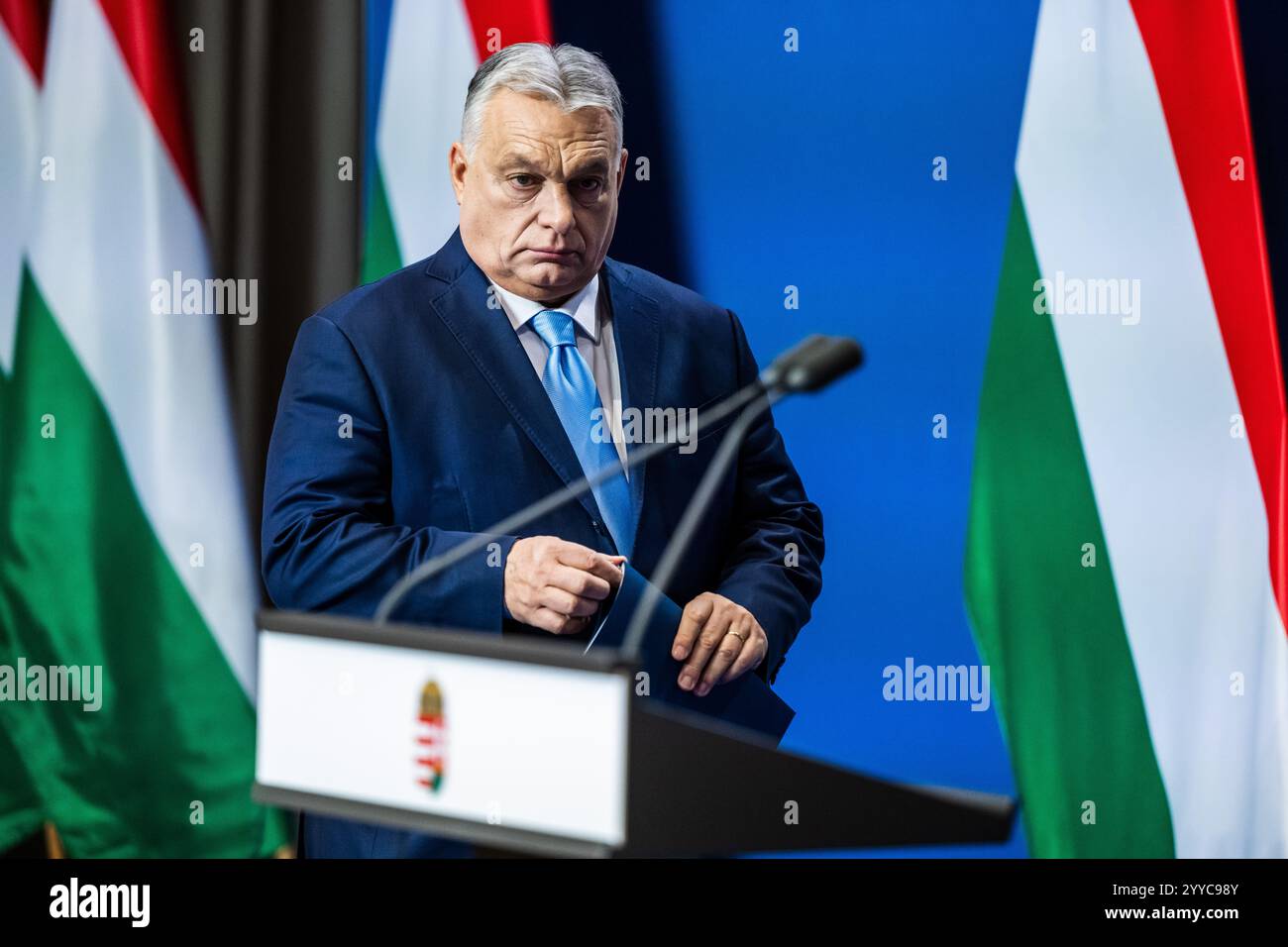
In the June 2024 European Parliament elections, the TISZA party secured approximately 29.6% of the vote, signaling a significant appetite for political change among the electorate, as reported by the National Election Office of Hungary. This electoral success has provided Magyar with a legitimate mandate to pressure the government on policy reforms. However, analysts suggest that implementing a new constitution would require a two-thirds majority in the National Assembly, a threshold that remains mathematically difficult for the current opposition coalition to achieve without significant defections from the governing Fidesz party.
Why Institutional Reform Matters for Hungary
The debate over the Hungarian state apparatus is not merely symbolic; it has direct consequences for the national economy and international relations. The current government’s administration of public funds has been the subject of extensive investigations by the European Commission, which has cited “systemic risks” to the financial interests of the EU. For the average citizen, this translates into stagnant growth, high inflation rates, and limited access to professional opportunities outside of state-controlled sectors.
Magyar’s focus on “liberating” the country from these structures implies a fundamental change in how state contracts are awarded and how public officials are held accountable. By introducing competitive bidding processes and independent oversight, his supporters argue that Hungary could foster a more transparent business environment. Whether these reforms can be achieved within the current legal framework remains the central question facing the Hungarian parliament in the coming legislative sessions.
Next Steps in the Political Process
The next major checkpoint for these reform proposals will be the upcoming autumn session of the Hungarian Parliament, where opposition leaders are expected to table motions regarding the creation of the anti-corruption agency. Citizens and stakeholders are encouraged to monitor official proceedings through the official website of the National Assembly for updates on legislative schedules and public hearing dates. As the political environment remains fluid, further developments regarding constitutional amendments will likely emerge as the TISZA party prepares for the 2026 national elections. We welcome our readers to share their perspectives on these developments in the comments section below.
Worth a look