
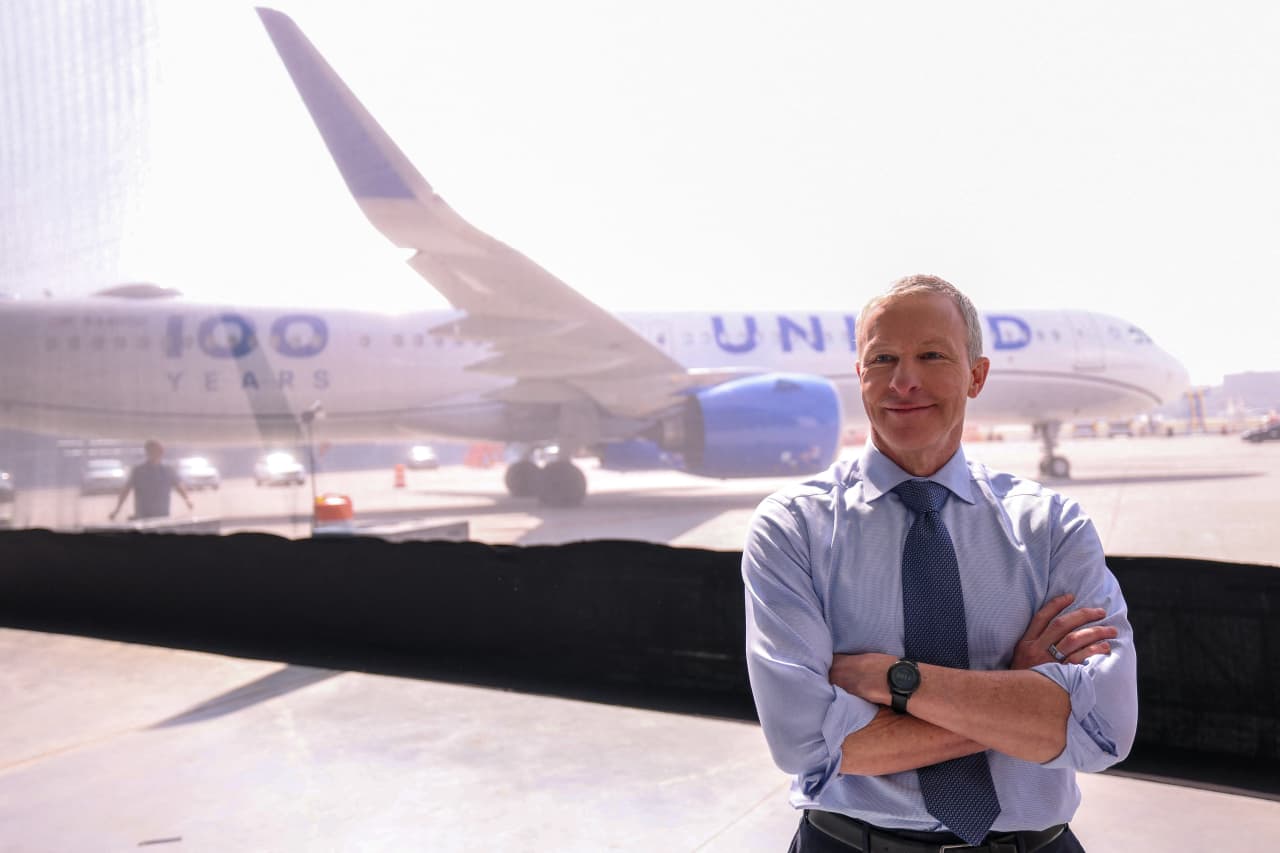
The landscape of American aviation may be facing a seismic shift as reports emerge that United Airlines has explored a potential tie-up with its rival, American Airlines. According to multiple reports, the United Airlines CEO pitched a possible merger or partnership with American Airlines during a meeting with Donald Trump, signaling a move that could fundamentally alter the competitive dynamics of the U.S. Domestic and international flight markets.
Such a transaction, if pursued and approved, would represent one of the most significant consolidations in aviation history. Industry analysts suggest that a combined entity could potentially control approximately one-third of the market, creating a dominant carrier with unprecedented scale and resource integration.
The proposal comes at a time when the airline industry is navigating post-pandemic recovery and evolving regulatory scrutiny. Although the pitch has been reported by several high-profile news outlets, neither airline has officially confirmed a formal merger agreement, and the proposal remains in the conceptual stage of government discussions.
The Proposal: A Strategic Pitch to the Government
The reported outreach involved the United Airlines CEO discussing the possibility of a tie-up with American Airlines in a meeting with Donald Trump via Reuters. This suggests that the airline is seeking high-level political or regulatory clarity on whether such a massive consolidation would be permissible under current antitrust frameworks.
The core of the pitch involves exploring whether the government would grant permission for the two carriers to merge. According to reports from Bloomberg and Investor’s Business Daily, United has effectively “floated” the idea of a merger to gauge the appetite for such a deal among senior officials.
What the Deal Would Look Like
If the proposed merger between United and American Airlines were to move forward, the resulting carrier would be an industry behemoth. The most immediate impact would be the concentration of market share; We see reported that the combined entity would control roughly one-third of the market.
In practical terms, such a deal would likely involve:
- Fleet Integration: Combining two of the world’s largest aircraft fleets to optimize route efficiency.
- Hub Consolidation: Coordinating operations across major U.S. Hubs to reduce overhead and increase flight frequency on key corridors.
- Market Dominance: A significant increase in pricing power and a reduction in direct competition between the two largest U.S. Carriers.
Regulatory Hurdles and Antitrust Concerns
The primary obstacle to any such deal is the likelihood of intense scrutiny from antitrust regulators. A merger of this scale would inevitably raise concerns regarding competition and consumer pricing. In the United States, the Department of Justice (DOJ) and the Federal Trade Commission (FTC) typically evaluate whether a merger would lead to higher fares or reduced service for passengers.
The prospect of a single carrier controlling a third of the market would likely trigger comprehensive reviews of “slot” allocations at congested airports and the potential for monopolies on specific long-haul or domestic routes. Historically, the U.S. Government has been wary of further consolidation in the airline industry following the wave of mergers in the early 2010s.
Industry Impact and What Happens Next
The potential for a United-American tie-up sends a strong signal to the rest of the aviation sector. If the government were to signal openness to such a deal, it could encourage other carriers to seek similar consolidations to maintain competitiveness.
For passengers, the outcome of these discussions could mean anything from improved network connectivity and more flight options to the risk of increased ticket prices due to decreased competition. For investors, the news highlights a strategic attempt by United to aggressively scale its operations and solidify its position in the global market.
At this stage, there is no official timeline for a formal bid or a regulatory filing. The current phase is characterized by exploratory discussions and “pitching” the concept to government officials to determine the feasibility of the transaction.
We will continue to monitor official filings and government statements for any formal movement on this proposal. Please share your thoughts in the comments below on how such a merger would affect your travel experience.