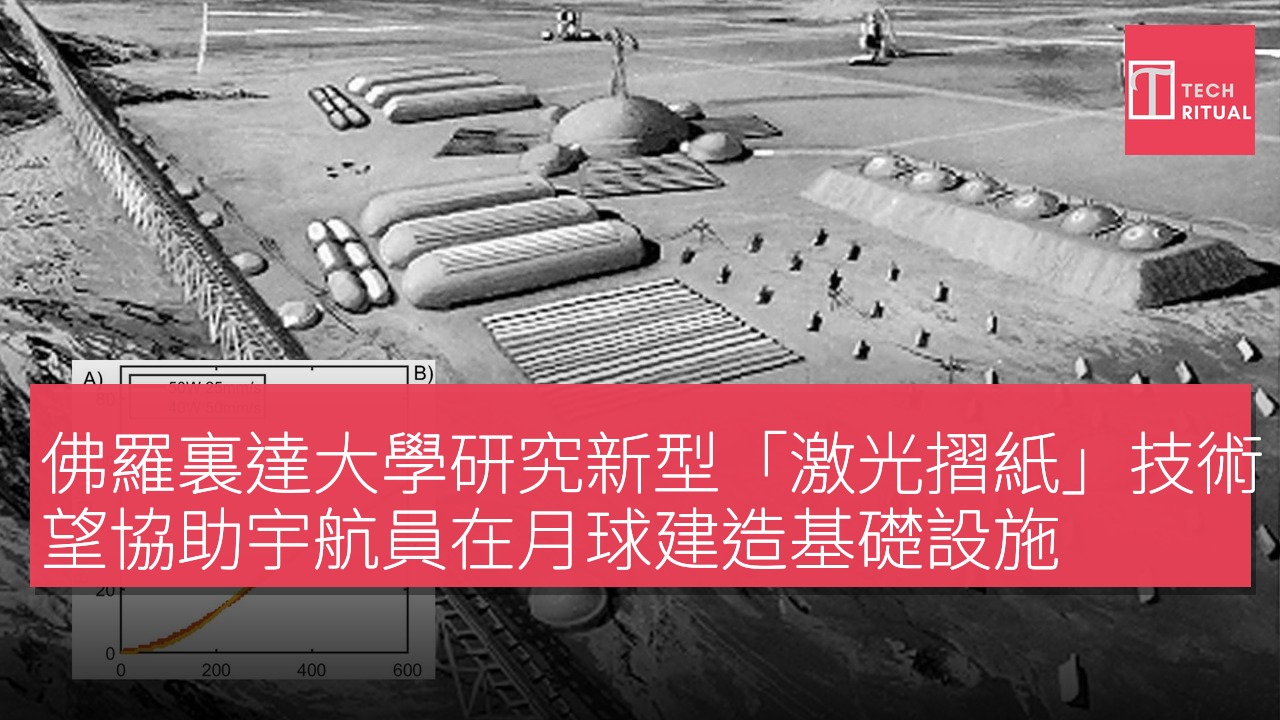
As humanity sets its sights on establishing a long-term presence on the moon, one of the most significant hurdles remains the logistics of construction in a vacuum. Transporting heavy equipment and pre-fabricated materials from Earth is costly and inefficient. Researchers at the University of Florida are now developing a pioneering solution: a process known as “laser origami,” which could enable astronauts to build essential infrastructure using materials already available on the lunar surface.
The research, led by Victoria M. Miller, Ph.D., an associate professor in the Herbert Wertheim College of Engineering and a researcher with the UF Astraeus Space Institute, focuses on utilizing laser forming to manipulate materials without physical contact. By applying this technique, the team aims to transform lunar soil into usable materials, such as glass, which can then be shaped into tools, structural components, or protective systems for space exploration.
Advanced Manufacturing in the Vacuum of Space
The core of this innovation lies in its ability to circumvent the limitations of traditional manufacturing. In the extreme environment of the moon, standard industrial machinery is often too cumbersome or ill-suited for the vacuum conditions. Laser forming offers a high-precision alternative, allowing for the bending and assembly of materials through controlled thermal energy. This is particularly vital for creating replacement parts on demand, reducing the need for missions to carry exhaustive inventories of spare components.
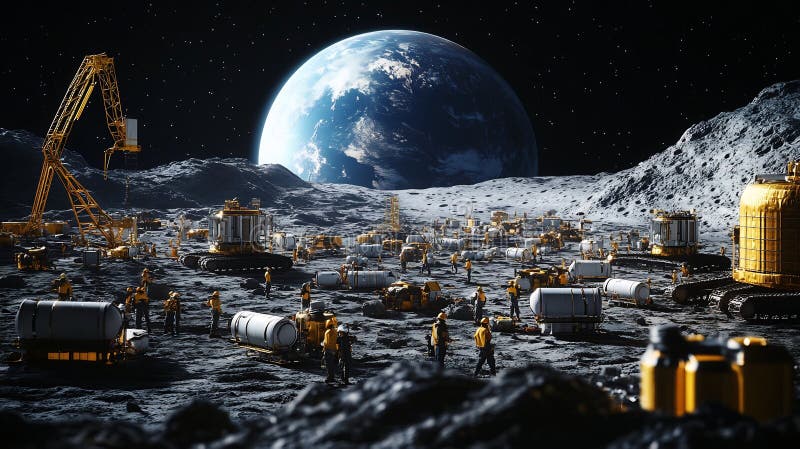
“When something breaks in space, you don’t want to have to carry, you know, 3 spares of every part,” Miller explained. “It would be really convenient if you could just make a spare part on demand.” This shift toward on-site fabrication could fundamentally change the economics of extraterrestrial habitation, turning the lunar landscape itself into a resource hub.
The team’s recent findings, published in the journal Lasers in Manufacturing and Materials Processing, provide critical data on how varied atmospheric conditions influence laser bending. Understanding these dynamics is a prerequisite for successful deployment in the vacuum of space, where the absence of air changes the way heat and energy interact with materials.
Bridging the Gap: From Moon to Earth
While the prospect of lunar construction is the primary driver for this research, the implications of the project extend far beyond space exploration. The technology has potential utility for flexible manufacturing initiatives on Earth, particularly within defense and industrial sectors where rapid, on-site part creation is increasingly prioritized.
“It is also for Earth applications. We’re focused on flexible manufacturing for defense applications,” noted Miller, who conducts her work within the Department of Materials Science and Engineering. By mastering the ability to shape difficult or unconventional materials, this research could pave the way for more resilient supply chains and innovative production methods in terrestrial environments.
This project recently successfully concluded a research phase funded by the Defense Advanced Research Projects Agency (DARPA). The completion of this phase marks a milestone in refining the laser forming process, moving the technology closer to practical, real-world application.
Key Takeaways
- On-Demand Manufacturing: The laser origami technique aims to allow astronauts to create tools and replacement parts in orbit or on the moon, significantly reducing payload requirements.
- Utilizing Local Resources: Researchers are investigating ways to transform lunar soil into materials like glass, facilitating sustainable construction using in-situ resources.
- Precision Engineering: Laser forming enables the shaping of materials without physical contact, making it ideal for the unique constraints of space environments.
- Dual-Use Potential: The technology is being developed with both space exploration and Earth-based defense applications in mind, emphasizing flexible manufacturing.
As the scientific community continues to explore the viability of lunar infrastructure, the work being conducted at the University of Florida highlights the importance of materials science in the next era of space travel. The ability to manufacture on-site represents a critical step toward a sustainable, long-term human presence beyond Earth’s atmosphere.
The research team continues to analyze the performance of these manufacturing processes under varying conditions. For further updates on the progress of the Astraeus Space Institute and the evolution of laser origami technology, readers can follow official communications from the University of Florida news portal. We invite our readers to share their thoughts on the future of space construction in the comments section below.
Related reading