
The landscape of American corporate power is undergoing a significant geographic shift, as Texas has officially overtaken California in the number of companies featured on the prestigious Fortune 500 list. According to the most recent data released by Fortune, the Lone Star State is now home to 57 of the nation’s largest corporations, while California holds 56. This development marks a notable reversal from just two years prior, when California maintained the pole position in the rankings.
This transition in the Fortune 500 ranking highlights broader trends in corporate relocation and the evolving economic priorities of major U.S. Business hubs. For industry observers and policymakers alike, the movement of headquarters reflects a complex interplay between regulatory environments, tax structures, and the pursuit of operational efficiency. You can view the full breakdown of the current rankings on the official Fortune 500 list.
The Shifting Geography of Corporate Headquarters
The movement of major firms to Texas has been a subject of intense economic analysis for several years. The state’s business-friendly tax policies and lower cost of living have frequently been cited by executives as primary drivers for corporate migration. As noted by the Office of the Governor of Texas, the state has actively courted large employers through various economic development incentives and a regulatory framework designed to minimize the burden on established firms.
Conversely, California remains a global powerhouse for technology, media, and innovation, despite the loss of its top-tier ranking in this specific metric. The state continues to host a significant concentration of venture capital, research institutions, and highly specialized talent, which remain vital to its economic resilience. The shift in the Fortune 500 list is not necessarily an indicator of declining economic output, but rather a reflection of where the largest, most established traditional corporations choose to maintain their legal and administrative headquarters.
What This Means for the American Economy
The competition between Texas and California for corporate supremacy is representative of a larger, decentralized shift in the U.S. Economy. As remote work becomes more prevalent and the necessity of being physically headquartered in high-cost coastal cities diminishes, companies are increasingly looking toward states that offer more favorable operational conditions. This is not just a matter of prestige; it affects tax revenues, job creation, and infrastructure development in both regions.
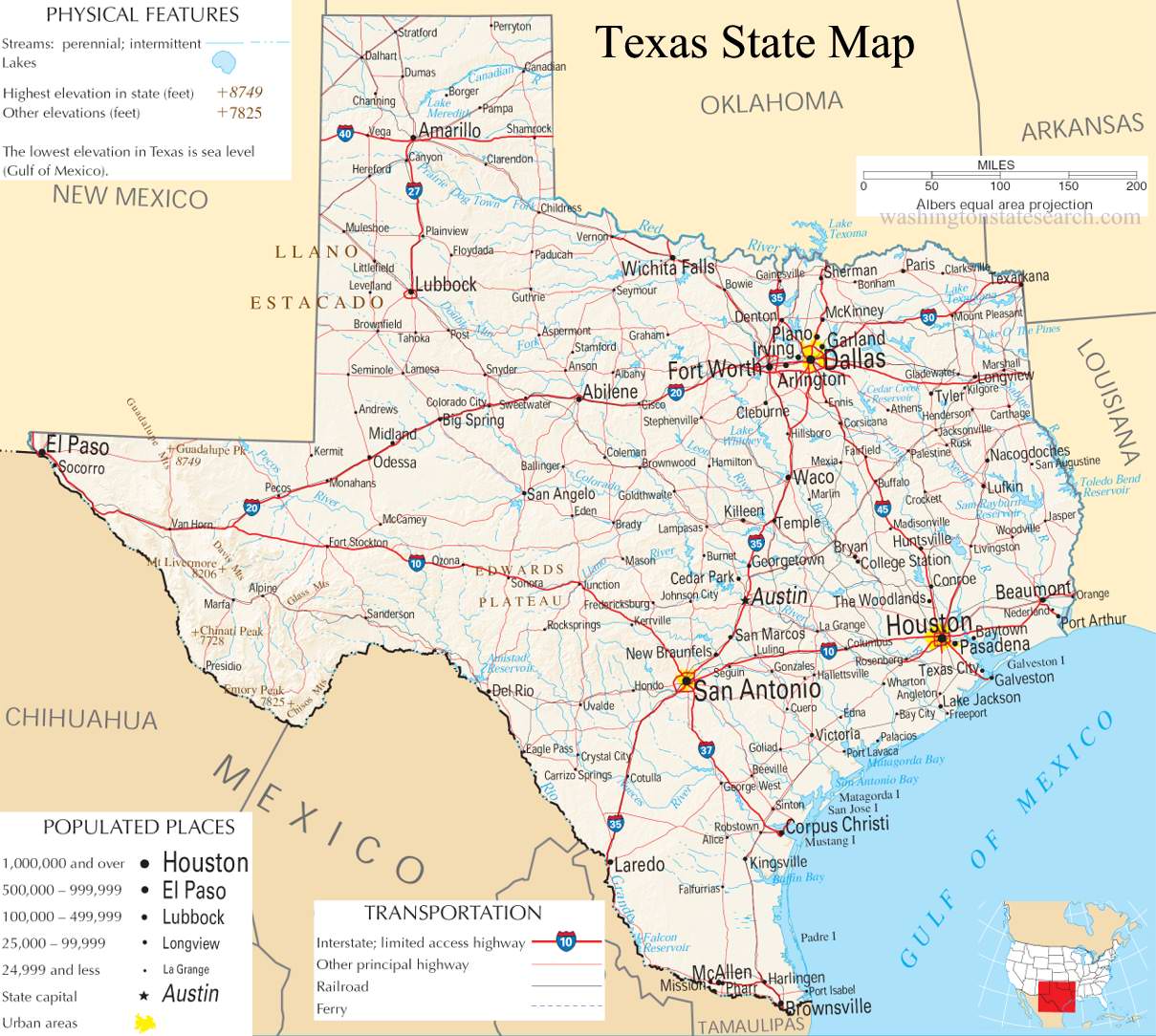
For those tracking these changes, It’s essential to distinguish between the sheer number of headquarters and the overall economic health of a region. While Texas leads in the count of Fortune 500 companies, California’s economy remains the largest in the United States by GDP. According to data provided by the U.S. Bureau of Economic Analysis, California continues to lead the nation in total economic output, underscoring that business headquarters are only one facet of a diverse and complex economic ecosystem.
Key Factors Influencing Corporate Relocation
- Regulatory Environment: Companies often prioritize states with streamlined permitting processes and predictable tax codes.
- Cost of Living and Operations: Lower overhead costs for facilities and employees play a crucial role in long-term financial planning.
- Talent Pipeline: While Texas offers lower costs, California’s access to elite engineering and creative talent remains a primary reason many firms maintain a significant presence there, even if the headquarters moves elsewhere.
- Quality of Life: Executive preference and the ability to attract top-tier talent through lifestyle amenities continue to influence site selection.
Looking Ahead: The Future of Corporate Hubs
As we move through 2026, the rivalry between these two states is likely to continue as both seek to attract and retain the world’s most influential companies. The Fortune 500 list is updated annually, and the volatility we have seen over the past two years suggests that the gap between the top states will remain narrow. For investors and market analysts, the next cycle of filings and annual reports will be critical in determining whether this trend of relocation persists or if the current balance of power stabilizes.

The next major update regarding corporate standings will arrive with the publication of the 2027 Fortune 500 list, typically expected in the second quarter of the year. In the interim, stakeholders should look to official company press releases and state economic development reports for announcements regarding headquarters changes or expansion projects. We invite our readers to share their thoughts on the shifting corporate landscape in the comments section below.
Related reading