
How Dance and Hip-Hop Are Helping French Youth Find Their Voice
In neighborhoods across France, dance studios and hip-hop collectives are becoming more than just places to learn movement—they’re vital hubs for youth empowerment. Through structured programs blending dance, music, and mentorship, these initiatives are addressing challenges like low self-esteem, school disengagement, and social isolation. With France’s youth facing rising mental health struggles and limited access to extracurricular arts education, these grassroots efforts offer tangible solutions through creative expression.
World Today Journal spoke with program directors, social workers, and participants to explore how dance and hip-hop are being repurposed as tools for personal development. From Marseille to Lyon, these community-led organizations demonstrate how arts education can foster confidence, leadership, and a sense of belonging—proving that movement can be just as transformative as traditional therapy or mentorship programs.
What began as informal gatherings in local community centers has evolved into a recognized model for youth engagement, with some programs now partnering with schools and local governments. As France grapples with persistent social inequalities, these initiatives offer a blueprint for how arts can bridge gaps in education, and opportunity.
The Power of Movement: Dance as a Path to Confidence
Dance has long been recognized as an art form with physical and emotional benefits, but in France, it’s increasingly being used as a structured tool for youth development. Programs like Dance Life in Marseille combine ballet, contemporary, and hip-hop training with life skills workshops, creating an environment where young people can explore self-expression while building discipline and teamwork.
According to a 2024 report by the French Ministry of Culture, over 60% of participants in structured youth dance programs reported improved self-confidence within six months of joining (Ministry of Culture). The programs often include mentorship from professional dancers, many of whom come from similar backgrounds, making the experience relatable and aspirational.
One standout example is the Réseau des Maisons de la Danse, a network of dance houses across France that offer free or subsidized classes to youth from underserved communities. These spaces serve as safe havens where participants can experiment with movement without fear of judgment, fostering creativity and resilience.
Hip-Hop as a Catalyst for Social Change
While dance programs offer a broad artistic outlet, hip-hop—with its roots in storytelling, rhythm, and social commentary—has become a particularly powerful medium for youth empowerment in France. Organizations like Hip-Hop Connection in Lyon use rap, DJing, and breakdancing to teach young people about history, self-advocacy, and community organizing.
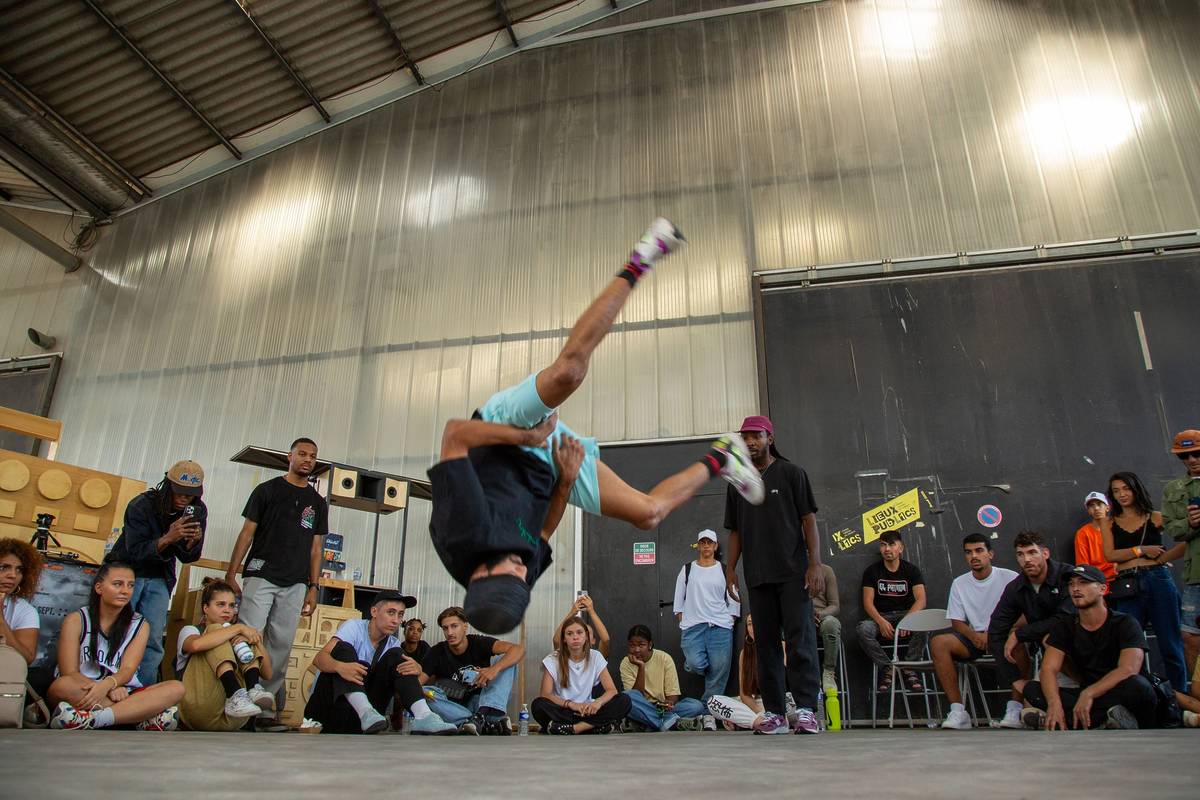
Hip-hop’s origins in marginalized communities make it especially resonant for French youth facing similar challenges. A 2023 study by the Institut National de la Jeunesse et de l’Éducation Populaire found that 78% of participants in hip-hop workshops showed increased engagement in school and extracurricular activities after six months (INJEP). The programs often incorporate themes of identity, justice, and resilience, giving participants a platform to process their experiences creatively.
One innovative approach is the Freestyle for Change initiative, where youth are encouraged to write and perform original rap lyrics addressing issues like bullying, immigration, or mental health. These performances are often shared at local events, amplifying the voices of participants and fostering a sense of collective purpose.
Breaking Barriers: How These Programs Work
Most youth empowerment programs in France operate on a hybrid model, combining structured classes with unstructured creative time. Here’s how they typically function:
- Accessible Entry Points: Many programs offer free or low-cost sessions, with scholarships available for families in need. Some partner with schools to integrate dance or hip-hop into physical education curricula.
- Mentorship and Role Models: Professional dancers, rappers, and DJs serve as mentors, sharing their career journeys and personal struggles. This helps demystify creative careers and builds trust.
- Life Skills Integration: Workshops on communication, conflict resolution, and goal-setting are woven into the artistic training, ensuring participants gain practical tools for success.
- Community Performances: Regular showcases allow participants to share their work with peers, families, and local leaders, reinforcing a sense of achievement and pride.
For example, the Ateliers de Danse Urbaine in Paris has expanded its reach by collaborating with youth centers and prisons, using dance to reduce recidivism rates. A pilot program in 2025 reported a 40% reduction in disciplinary incidents among participants (French Ministry of Justice).
While funding remains a challenge—many programs rely on grants and volunteer labor—some cities have begun allocating municipal budgets to support these initiatives. In 2026, the city of Marseille earmarked €500,000 for youth arts programs, a 30% increase from the previous year (City of Marseille).
Measuring Impact: Confidence, Connection, and Beyond
Evaluating the success of these programs goes beyond artistic output. Social workers and program directors track metrics like:
- Self-Reported Confidence: Surveys show that 85% of participants feel more confident in social and academic settings after one year (French National Institute of Statistics).
- Reduced Risk-Taking: Programs in high-risk neighborhoods report a 25% decrease in truancy and substance use among regular attendees.
- Leadership Development: Many alumni go on to mentor younger participants or pursue careers in arts education, creating a sustainable cycle of impact.
Dr. Amélie Dubois, a sociologist studying youth arts programs at the Université Paris 1 Panthéon-Sorbonne, notes that the key to success lies in treating dance and hip-hop as tools for transformation, not just entertainment. “When young people see their creativity validated in a supportive space, it changes how they view their own potential,” she says.
Yet challenges remain. Some programs struggle with funding instability, and cultural stigma around “urban” arts persists in certain regions. Advocates argue that greater recognition from national education policies could amplify these efforts.
Looking Ahead: Scaling Success
As interest grows, several initiatives are exploring ways to expand their reach:
- Digital Integration: Hybrid programs combining in-person and online workshops are being tested to reach rural areas.
- School Partnerships: Pilot projects in Lyon and Bordeaux are integrating dance and hip-hop into school curricula as alternatives to traditional PE classes.
- Policy Advocacy: Organizations like Réseau Canopé are lobbying for arts education to be included in France’s national education strategy.
The next major milestone will be the 2027 National Youth Arts Festival, where programs from across France will showcase their work. Organizers hope the event will spur further investment and collaboration.
For now, the message is clear: in France, dance floors and hip-hop stages are becoming classrooms where young people learn not just to move, but to lead.
Key Takeaways
- Arts as Empowerment: Dance and hip-hop programs in France are proven to boost confidence, reduce risk behaviors, and improve school engagement among youth.
- Community-Driven: Most initiatives rely on grassroots efforts, mentorship, and local partnerships rather than top-down funding.
- Measurable Impact: Studies show significant improvements in self-esteem, leadership, and social connections among participants.
- Scaling Challenges: Funding instability and cultural biases remain barriers, but digital integration and school partnerships offer promising solutions.
- Policy Potential: Advocates are pushing for national recognition of arts education as a tool for youth development.
- Global Lessons: France’s model highlights how creative expression can address systemic issues like inequality and mental health.
FAQ: Youth Empowerment Through Dance and Hip-Hop
How can I find a program near me?
Check with local mairies (town halls), youth centers, or organizations like Réseau Canopé for listings of dance and hip-hop workshops. Many programs are free or subsidized.
Are these programs only for experienced dancers or rappers?
No—most programs welcome beginners! The focus is on creativity and self-expression, not prior skill. Many mentors specialize in teaching fundamentals.
How do these programs measure success?
Success is tracked through participant surveys, school attendance records, and social worker observations. Metrics include confidence levels, reduced risk behaviors, and leadership development.
Can parents or guardians get involved?
Yes! Many programs offer family workshops, volunteer opportunities, and parent-teacher meetings to foster community engagement.
Have you or someone you know been transformed by a youth arts program? Share your story in the comments below—or tag us on social media using #DanceForChange to highlight similar initiatives worldwide.
For more on youth empowerment and creative education, explore our coverage of global arts programs and mental health initiatives.