
May 25, 2026 — San Francisco
Rocket League, the critically acclaimed vehicular soccer hybrid developed by Psyonix and published by Epic Games, has taken a monumental leap forward with the public unveiling of its first real-time gameplay footage running on Unreal Engine 6 during the Paris Championship. The announcement marks a significant milestone not just for Rocket League, but for the broader gaming industry, as it becomes the first major title to showcase Unreal Engine 6’s capabilities in a live, competitive environment.
The upgrade, which was teased in late 2025 but officially revealed during the championship, promises to deliver unprecedented visual fidelity, performance optimizations, and new features that could redefine player experiences across all platforms—from PC to consoles. Here’s what developers, competitive players, and casual fans need to know about this groundbreaking shift.
Why it matters: Unreal Engine 6’s introduction to Rocket League isn’t just a technical upgrade—it’s a preview of the next generation of gaming. With features like Nanite for virtualized geometry and Lumen for dynamic global illumination, the game is poised to offer photorealistic visuals without sacrificing performance. For a title that thrives on fast-paced, high-stakes competition, this could be a game-changer.
Key Takeaways
- First Unreal Engine 6 Title: Rocket League is the first major game to publicly demonstrate Unreal Engine 6 in a live competitive setting.
- Visual Upgrade: Nanite and Lumen technologies promise photorealistic graphics with minimal performance impact.
- Cross-Platform Rollout: The upgrade is expected to debut on PC first, with console versions following in subsequent updates.
- Competitive Impact: Improved visuals and performance could enhance the esports experience, though no rule changes are announced.
- Developer Commitment: Psyonix and Epic Games have emphasized stability and backward compatibility during the transition.
- Future-Proofing: The upgrade sets a benchmark for how Unreal Engine 6 will be adopted by other major titles.
Unreal Engine 6: A Leap Beyond Unreal Engine 4
Rocket League has long been a benchmark for performance and accessibility, running smoothly on everything from high-end PCs to mid-range consoles. However, the game’s original Unreal Engine 4 architecture—released in 2015—has begun to show its age in terms of visual capabilities. The shift to Unreal Engine 6 addresses this head-on, leveraging cutting-edge technologies to push the boundaries of what’s possible in a fast-paced, competitive game.

According to Epic Games, the upgrade focuses on three core areas:
- Nanite: A virtualized geometry system that allows for incredibly detailed 3D models without traditional polygon limits. This means stadiums, cars, and even player avatars could feature unprecedented levels of detail.
- Lumen: A dynamic global illumination system that reacts to lighting changes in real-time, creating more immersive and realistic environments.
- Performance Optimization: Unreal Engine 6 is designed to deliver these visual upgrades without sacrificing frame rates, a critical factor for competitive play.
The Paris Championship reveal wasn’t just a trailer—it was a live demonstration. Players and spectators witnessed real-time gameplay footage where the game’s signature boosts, ball physics, and fast-paced action were rendered with a level of clarity and realism previously unseen in Rocket League. The response from the community has been overwhelmingly positive, with many highlighting the improved visibility of in-game details like dirt trails, lighting effects, and even the texture of the ball.
What’s Changing for Players?
For competitive players, the most immediate impact may be visual rather than mechanical. While no rule changes or balance adjustments have been announced, the improved graphics could enhance the viewing experience for both players and spectators. Features like Nanite’s virtualized geometry could make custom cars and stadiums more detailed than ever, while Lumen’s dynamic lighting might add a new layer of depth to matches.
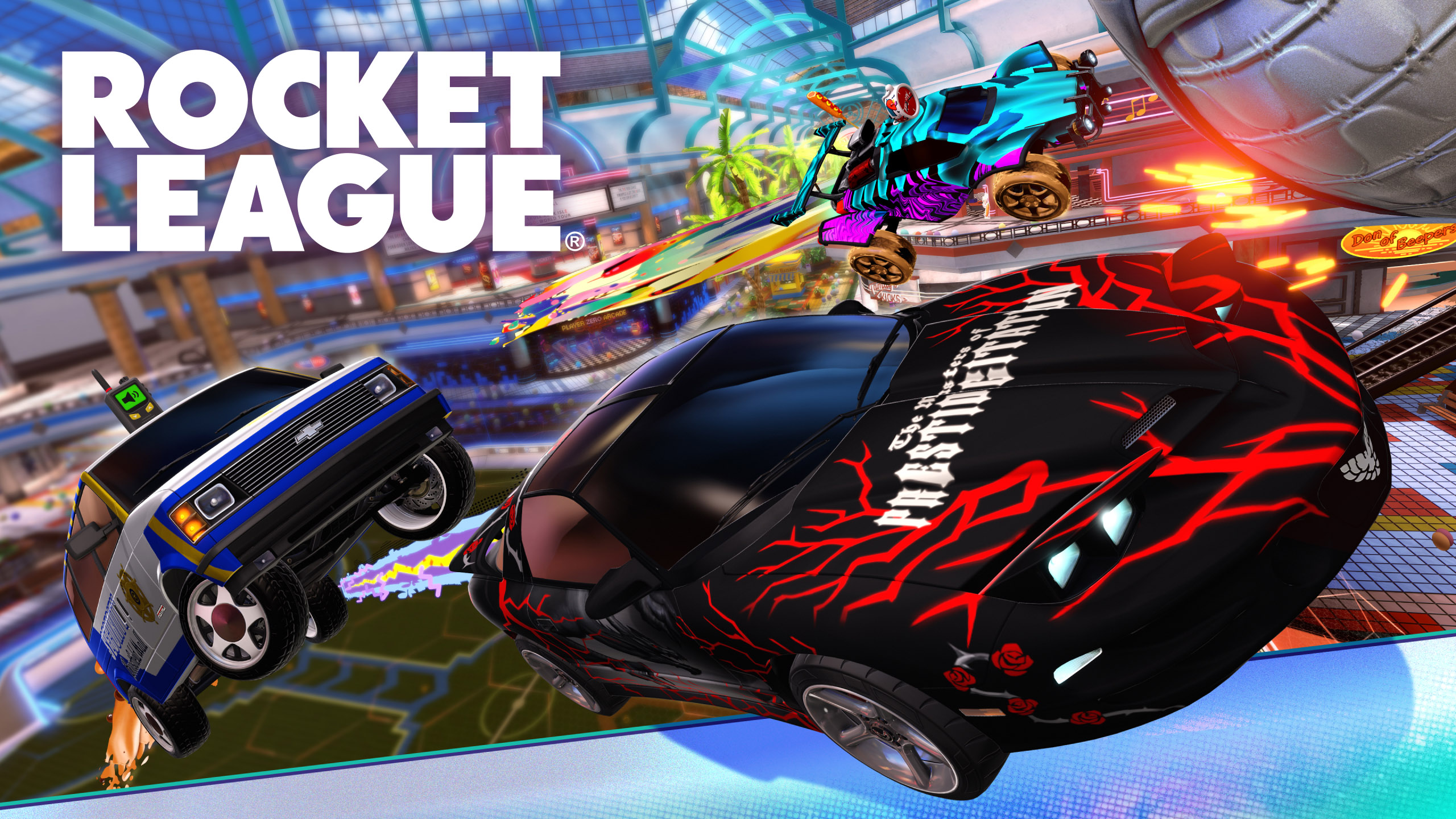
Casual players, may notice more subtle but meaningful improvements. The upgrade could lead to:
- More realistic physics, especially in how light interacts with objects.
- Better performance on high-refresh-rate monitors and 4K displays.
- Enhanced customization options for cars and arenas, thanks to the increased flexibility of Unreal Engine 6.
Psyonix has emphasized that the transition to Unreal Engine 6 will be gradual. The team is prioritizing stability and ensuring that the upgrade doesn’t disrupt the competitive integrity of the game. This means that while the visual overhaul is exciting, players can expect a measured rollout to minimize risks.
Behind the Scenes: Psyonix and Epic Games’ Collaboration
The partnership between Psyonix and Epic Games has been a cornerstone of Rocket League’s success since its launch in 2015. Epic Games, the creator of Unreal Engine, has long been a supporter of Rocket League, providing both technical and financial backing. The decision to migrate the game to Unreal Engine 6 reflects a strategic alignment between the two companies to push the boundaries of gaming technology.
Psyonix, the developer behind Rocket League, has a reputation for balancing innovation with player experience. The company’s previous upgrades—such as the introduction of custom cars and the Season 10 overhaul—have often been met with enthusiasm from the community. This latest upgrade, however, is different in scale. Unreal Engine 6 isn’t just an incremental improvement; it’s a complete overhaul of the game’s underlying technology.
In a statement to GamesIndustry.biz, a Psyonix spokesperson said, “Our goal has always been to deliver the best possible experience for Rocket League players, whether they’re competing at the highest level or just playing for fun. Unreal Engine 6 gives us the tools to achieve that while maintaining the fast-paced, accessible nature of the game.”
The Road Ahead: What’s Next for Rocket League?
The Unreal Engine 6 upgrade is just the beginning. Psyonix and Epic Games have hinted at additional features that could be introduced in the coming months, including:
- Expanded customization options for cars, stadiums, and even player avatars.
- Potential new game modes or mechanics enabled by the improved engine.
- Cross-platform enhancements to ensure consistency across PC, PlayStation, and Xbox.
One of the most anticipated aspects of the upgrade is its potential impact on esports. Rocket League’s competitive scene has grown significantly in recent years, with tournaments like the Paris Championship drawing global attention. The improved visuals and performance could make the game even more appealing to viewers, potentially attracting new sponsors and expanding the esports ecosystem.
However, the transition isn’t without challenges. Migrating a game as popular and competitive as Rocket League to a new engine is a complex process. Psyonix has assured players that they will communicate openly about the rollout, including any potential downtime or changes to the game’s balance. The company has also pledged to maintain backward compatibility, ensuring that players won’t lose access to their custom cars, stadiums, or other progress.
Why This Matters for the Gaming Industry
Rocket League’s adoption of Unreal Engine 6 isn’t just a win for the game itself—it’s a significant milestone for the gaming industry as a whole. Unreal Engine 6 has been in development for years, and its adoption by a title as mainstream and competitive as Rocket League validates its potential to become the standard for next-generation games.
For developers, the message is clear: Unreal Engine 6 is ready for prime time. The engine’s ability to deliver high-fidelity visuals without compromising performance could encourage more studios to adopt it, leading to a wave of visually stunning games across genres. For players, this means a brighter, more immersive future for gaming.
As Tim Sweeney, CEO of Epic Games, noted in a recent interview, “Unreal Engine 6 is designed to be the foundation for the next decade of gaming. Seeing it in action in a title like Rocket League—one that’s beloved by millions—is a testament to its power and flexibility.”
What’s Next? Stay Tuned for the Official Rollout
The Paris Championship reveal was just the first step. Psyonix has not yet announced an official release date for the Unreal Engine 6 upgrade, but the team has indicated that the rollout will begin in the coming months. Players can expect:
- A beta phase to test the upgrade and gather feedback from the community.
- Official announcements on release timelines and platform-specific details.
- Potential adjustments to ensure the upgrade doesn’t disrupt competitive play.
In the meantime, fans are encouraged to follow Rocket League’s official social media channels and the official website for updates. Psyonix has also opened a feedback forum where players can share their thoughts and suggestions for the upgrade.
For now, the gaming community is left with one question: What other surprises will Unreal Engine 6 bring to Rocket League? With the technology at their disposal, the possibilities are endless.
What do you think about Rocket League’s Unreal Engine 6 upgrade? Will the visual improvements change how you play or watch the game? Share your thoughts in the comments below or join the discussion on our social media channels.