The United States and the United Kingdom are planning to convene a high-level conference in London next week to discuss a potential international coalition aimed at protecting commercial shipping in the Strait of Hormuz, according to European diplomats and White House officials. The emerging diplomatic effort is designed to stabilize global energy markets and forms a critical component of broader exit strategies surrounding ongoing military engagements with Iran.
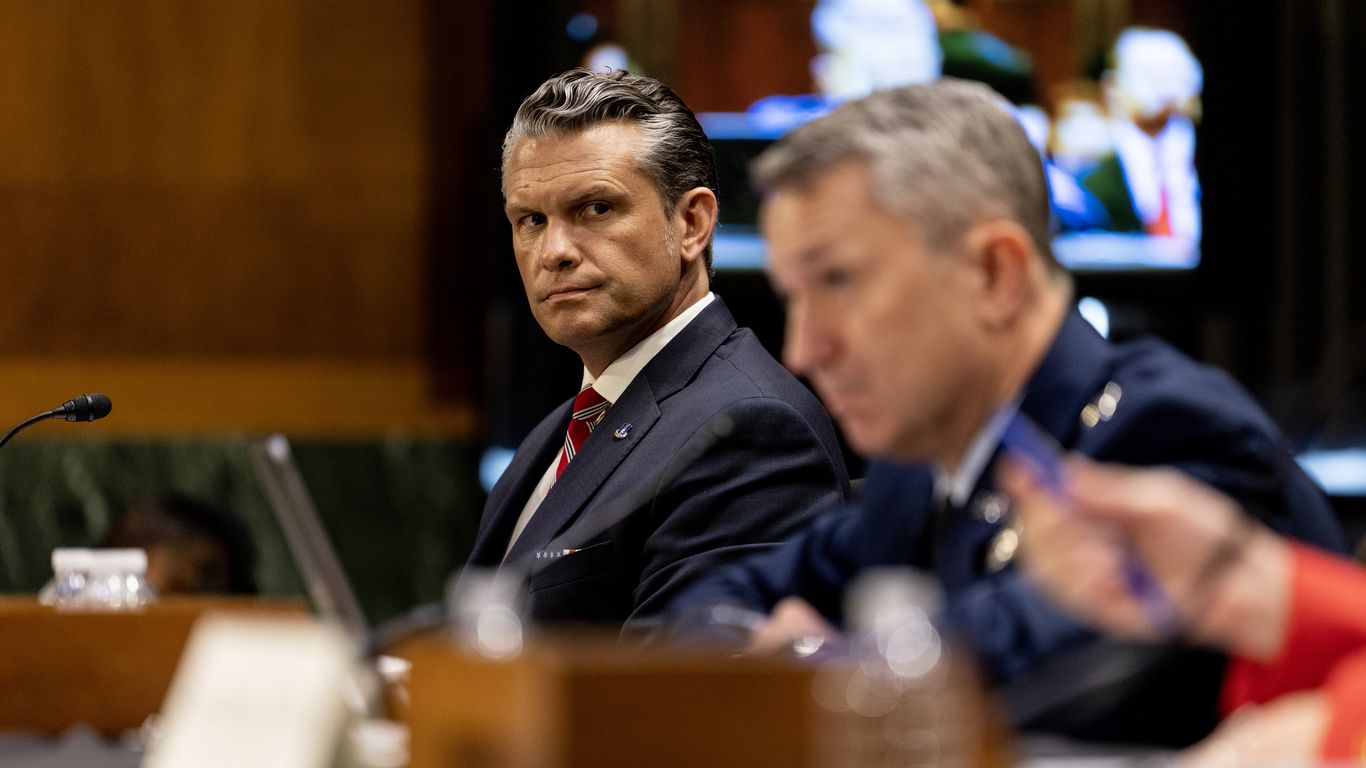
While exact dates and the final itinerary remain under active discussion, the proposed gathering is expected to bring together defense ministers and senior military commanders from Western nations alongside regional stakeholders. Defense Secretary Hegseth and Chairman of the Joint Chiefs of Staff General Dan Caine are among the defense officials who would potentially attend the London meetings, according to government sources familiar with the planning.
A White House official confirmed the joint U.S. and U.K. objective to organize the ministerial conference next week, though the British embassy in Washington declined to comment on the diplomatic schedule. The initiative builds on preliminary discussions that the United Kingdom and France have held with various international partners in recent months regarding maritime security frameworks for the vital waterway.
Military Actions and Maritime Security in the Gulf
The push for a coordinated international naval mission follows two weeks of heightened hostilities involving Iranian attacks on commercial vessels operating in the Strait of Hormuz. In response to the threats, the United States military has conducted daily airstrikes targeting Iranian military infrastructure along the country’s southern coast, according to defense reports.
U.S. defense officials reported that no Iranian attacks against commercial shipping have occurred over a four-day window. Some military analysts attribute this lull to the systematic degradation of Iranian military capabilities surrounding the strait resulting from the recent U.S. strikes. However, other defense officials caution that Iran retains the operational capacity to threaten vessels navigating the crucial corridor.
The standoff escalated further when President Trump warned on Wednesday that the U.S. would target bridges and power plants, including facilities in Tehran, if Iranian forces resume attacks on ships in the strait. In response, Iranian authorities issued counter-threats directed at infrastructure belonging to Gulf states allied with Washington.
Diplomatic Channels and Regional Mediation Efforts
The current maritime crisis erupted after preliminary negotiations mediated by Oman, Iran, and Qatar regarding a new security arrangement for the strait concluded without an agreement. Shortly after those talks stalled, Iranian Foreign Minister Abbas Araghchi returned to Tehran for consultations, and the Islamic Revolutionary Guard Corps began targeting shipping lanes.
Diplomatic engagement has since resumed through various channels. An Omani delegation arrived in Tehran on Friday to restart discussions concerning mechanisms to safely reopen the strait. Foreign Minister Araghchi also reported holding discussions with his Pakistani counterpart—who has acted as a mediator in Washington-Tehran contacts—regarding potential proposals to defuse tensions.
“The problem between us and the U.S. is not the lack of a mediator. The problem is America’s approach,” Araghchi stated on Friday, adding that Iran “will not submit to U.S. bullying” and intends to protect its national interests in the maritime corridor.
In a separate telephone conversation on Friday with Omani Foreign Minister Badr Albusaidi, Araghchi reviewed the security of maritime navigation and commercial vessel transits through the strait. According to an official statement released by the Iranian foreign ministry, both ministers underscored the necessity of preserving regional security and explored cooperative solutions to prevent further escalation.
Requirements for an International Maritime Coalition
Securing broad international participation in the proposed London coalition remains contingent on specific operational conditions on the ground. Multiple prospective partner nations have stipulated that active fighting in the strait must cease before they commit personnel or equipment to a multinational maritime protection mission.
Washington has indicated that it wants allied nations to contribute specialized assets to the region, including naval vessels, de-mining ships, and aerial drones, to safeguard commercial shipping lanes. “The Americans are looking for a way out and they want our help,” a European diplomat noted regarding the strategic shift toward coalition-building.
As preparations for the London conference proceed, regional stakeholders and Western defense planners await final confirmation of the meeting schedule and the specific contributions participating governments are prepared to make toward long-term maritime stability in the Persian Gulf.
Worth a look
- The Yiwu Development Experience: Lessons in High-Quality Growth and Economic Transformation
- Ransom Canyon Film Locations in New Mexico Near Santa Fe
- Saudi-led Coalition Launches Airstrikes on Houthi Targets in Hudaydah (archyworldys.com)
- Gail Porter Reveals Bruised Face and Grisly Injuries After London Tube Station Fall (world-today-news.com)