The geopolitical tension in the Middle East has reached a critical flashpoint as the United States implements a military blockade of Iranian ports and a partial blockade of the Strait of Hormuz. This aggressive escalation follows the collapse of peace negotiations in Islamabad over the weekend, leaving the international community to grapple with the potential for a wider regional conflict and significant disruptions to global energy markets.
The efforts underway for second round of US-Iran talks are now being driven by Pakistani mediators, who are racing to bring both nations back to the negotiating table before a current ceasefire expires next week. The blockade, which began Monday at 10 a.m. EDT, targets vessels of all nations entering or departing Iranian ports and coastal areas, including those on the Arabian Gulf and Gulf of Oman according to U.S. Central Command.
Tehran has condemned the move as “piracy” and illegal, warning that no Gulf ports will remain safe if traffic to and from Iranian ports is impeded. The U.S. Military operation reportedly involves at least 15 warships, though official specifics regarding the total number of vessels or the use of warplanes have not been released by the Pentagon.
The Collapse of Islamabad Talks and the Blockade’s Trigger
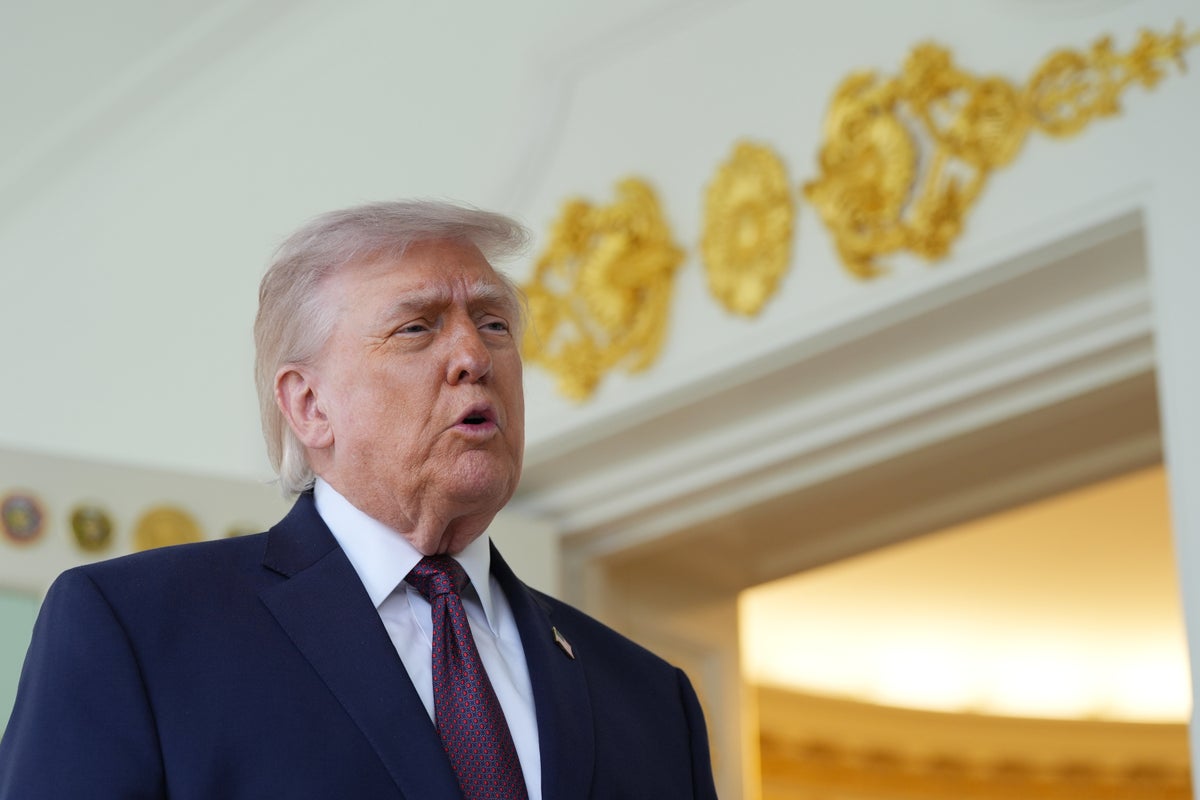
The current crisis was precipitated by the failure of diplomatic efforts in Pakistan on April 12. Vice President JD Vance, who led the U.S. Delegation, indicated that the primary obstacle to a peace agreement was Iran’s refusal to abandon its nuclear ambitions. Following the breakdown of these talks, President Donald Trump proceeded with the threatened naval blockade as reported by USA TODAY.
The Strait of Hormuz serves as a vital global chokepoint for the shipment of oil, fertilizer, and other essential goods. Until recently, the United States had allowed Iranian tankers to transit the strait to prevent sharp increases in oil prices since the onset of the war according to The New York Times. The decision to restrict this traffic marks a significant shift in U.S. Strategy, moving from economic pressure to direct military interdiction.
The blockade is comprehensive in scope. U.S. Officials have notified shipping companies that the restrictions apply to all vessel traffic, regardless of the country flag the ships fly. This has already resulted in clusters of hundreds of tanker ships stalling near the Strait of Hormuz, awaiting further instructions or alternative routes.
International Reactions and Diplomatic Mediations
The global response to the blockade has been mixed, with several major powers attempting to prevent a total descent into war. China’s President Xi Jinping has vowed that his country will play a “constructive role” in promoting peace talks in the Middle East. Following a first round of discussions that ended without agreement, Xi emphasized the need to respect the sovereignty, security, and territorial integrity of Gulf countries via CBS News.
Spanish Prime Minister Pedro Sanchez has too highlighted the importance of China’s involvement. During a news conference in Beijing, Sanchez stated that China could play an “significant” role in finding diplomatic means to complete the war and restore stability to the region.
Conversely, Israel’s Prime Minister Benjamin Netanyahu has expressed support for the U.S. Blockade. Netanyahu also vowed to continue military operations in Lebanon, even as peace talks regarding that specific conflict are scheduled to seize place in Washington.
Notably, NATO allies have refused to join the U.S.-led blockade, signaling a lack of consensus among Western powers regarding the legality and efficacy of the naval strategy.
Key Details of the Naval Blockade
- Start Time: Monday, April 13, 2026, at 10 a.m. EDT.
- Scope: All vessels entering or departing Iranian ports and coastal areas in the Arabian Gulf and Gulf of Oman.
- Military Presence: At least 15 U.S. Warships are reportedly involved.
- Impact: Interruption of shipments of oil, fertilizer, and vital goods.
Economic and Humanitarian Implications
The blockade of the Strait of Hormuz is expected to have immediate effects on global gas prices due to the volume of oil that typically flows through the region. The shift from a policy of “tempering” price increases to a full blockade suggests a willingness by the U.S. Administration to accept economic volatility in exchange for diplomatic leverage over Iran’s nuclear program.
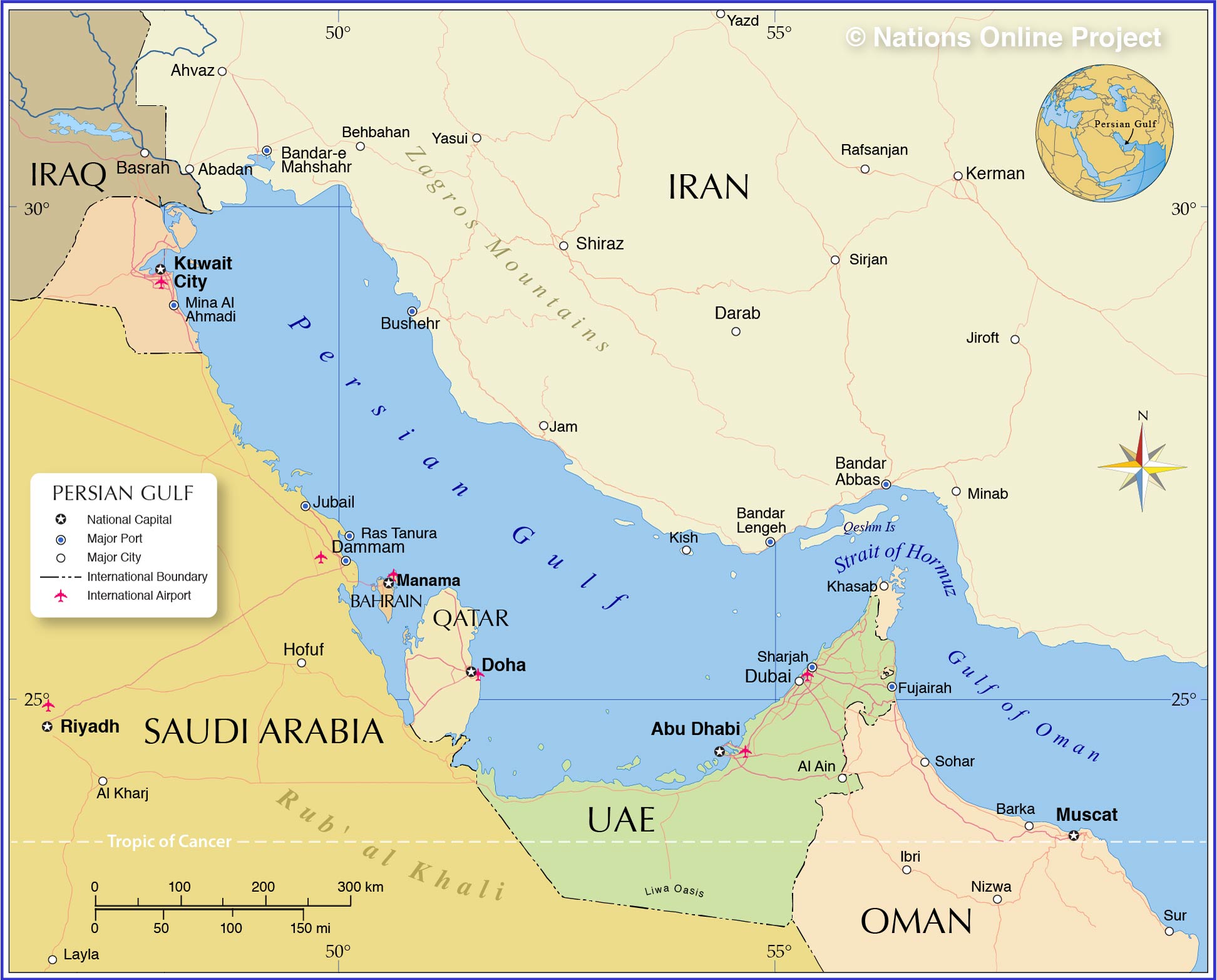
Under international maritime norms, a blockade must be announced and its boundaries clearly defined to allow neutral shipping vessels to seek alternate routes or request passage on humanitarian grounds. Still, the broad application of this blockade to “vessels of all nations” creates significant logistical challenges for international shipping companies and neutral trading partners.
The situation remains volatile as the international community waits to see if Pakistan’s efforts to restart negotiations will succeed. The primary goal of the current diplomatic push is to secure a peace accord before the existing ceasefire runs out next week.
Timeline of Recent Escalations
| Date | Event | Outcome |
|---|---|---|
| April 12 | Peace talks in Islamabad | Talks broke down over nuclear ambitions |
| April 13 | U.S. Blockade Begins | 10 a.m. EDT start; Iranian ports and Strait of Hormuz targeted |
| April 14 | China’s Intervention | President Xi vows “constructive role” in peace talks |
| Next Week | Ceasefire Expiration | Deadline for Pakistan-mediated peace accord |
The next critical checkpoint is the expiration of the current ceasefire next week. Whether the efforts underway for second round of US-Iran talks can produce a viable agreement before that deadline will determine if the region moves toward a diplomatic resolution or a broader military confrontation.
World Today Journal encourages readers to share this report and leave their comments below regarding the impact of this blockade on global trade.
Worth a look
- Trump Administration Urges US Colleges to Pledge Education Reforms by 2026
- Ariana Grande Breaks Silence on Public Hiatus and West End Exit
- Dow Hits Record High as US-Iran Tensions Ease and Amazon Tops $3 Trillion (time.news)
- Russia and Ukraine Trade Deadly Strikes as Casualties Mount (newsdirectory3.com)