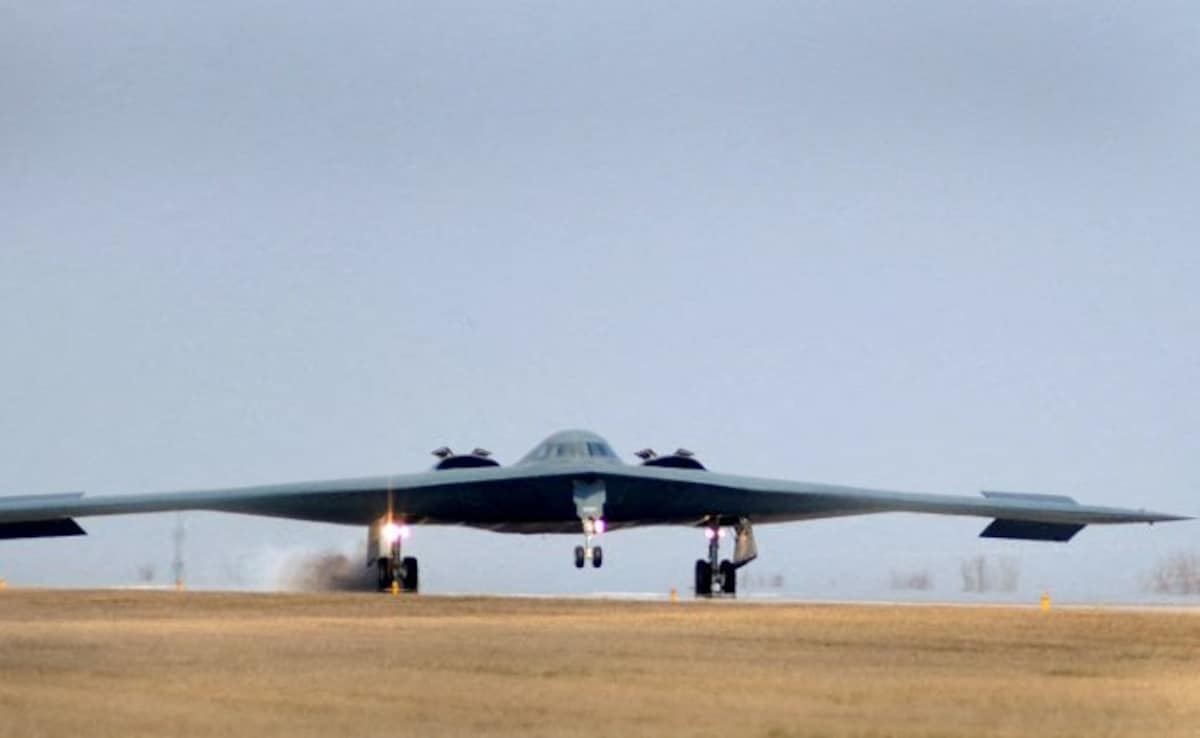
Baghdad, Iraq – The United States military has escalated its operations against targets in Iraq and Syria with the deployment of B-2 Spirit stealth bombers, as part of a broader initiative known as Operation Epic Fury. This move comes amidst heightened tensions in the region and follows the tragic loss of six U.S. Service members when a KC-135 Stratotanker refueling aircraft crashed in western Iraq on March 12, 2026. The operation aims to dismantle what U.S. Central Command (CENTCOM) describes as the security apparatus of the Iranian regime and prevent the rebuilding of capabilities it deems threatening to regional stability. The deployment of B-2 bombers signifies a substantial increase in the firepower being brought to bear in this ongoing operation.
The B-2 Spirit, renowned for its stealth capabilities and long-range strike capacity, represents a significant asset in the U.S. Arsenal. Its ability to penetrate heavily defended airspace undetected allows for precision strikes against high-value targets. CENTCOM announced on Friday that the bombers had commenced missions, delivering “long-range fire to not only eliminate the threat from the Iranian regime today, but also eliminate their ability to rebuild in the future,” according to a post on X, formerly known as Twitter. This statement underscores the strategic intent behind Operation Epic Fury – a long-term effort to degrade Iran’s military capabilities and influence in the region. The operation is unfolding against a backdrop of increasing concerns over Iran’s support for proxy groups and its ballistic missile program.
KC-135 Crash and Conflicting Reports
The loss of the KC-135 refueling aircraft has cast a somber tone over Operation Epic Fury. CENTCOM confirmed that all six crew members perished in the crash, which occurred while the aircraft was flying over friendly airspace in western Iraq. An investigation is underway to determine the precise cause of the incident, but officials have stated that it was not the result of hostile fire or friendly fire. The names of the deceased service members are being withheld pending notification of their families. This incident highlights the inherent risks associated with military operations in a volatile environment.
However, accounts surrounding the crash diverge significantly. While U.S. Officials maintain the crash was not caused by enemy action, Iranian state media reported a different narrative. Citing a spokesperson for the Central Headquarters of Iran’s Military, Press TV claimed that the U.S. Aircraft was shot down by a missile fired by resistance groups in western Iraq. The spokesperson further asserted that all six service members were killed in the attack. The Islamic Revolution Guard Corps (IRGC) also released a statement claiming its air defense systems successfully targeted the KC-135 while it was refueling a fighter jet. These conflicting reports underscore the information warfare dimension of the conflict and the challenges in establishing a definitive account of events. CENTCOM’s initial statement did not address these claims directly.
Operation Epic Fury: Objectives and Scope
Operation Epic Fury, launched in response to escalating threats from Iran and its affiliated groups, is a multifaceted military operation aimed at disrupting Iran’s regional activities. CENTCOM has stated that the operation prioritizes locations that pose an imminent threat, focusing on dismantling the security apparatus supporting destabilizing actions. The specific targets of the operation remain largely undisclosed, but it is understood to encompass infrastructure used for the production and deployment of ballistic missiles, unmanned aerial vehicles (UAVs), and other advanced weaponry. The operation also seeks to degrade the networks providing support to proxy groups operating in Iraq, Syria, and Yemen.
The deployment of B-2 bombers represents a significant escalation in the intensity of Operation Epic Fury. These aircraft are capable of carrying a substantial payload of both conventional and nuclear weapons, although it is not currently confirmed whether the deployed bombers are carrying nuclear ordnance. Their long range and stealth capabilities allow them to strike targets deep within Iranian territory, if authorized, without facing significant opposition. The use of such advanced assets signals a clear message of resolve from the United States and its allies. The operation is being conducted in coordination with regional partners, although the extent of their involvement remains unclear. The long-term objectives of Operation Epic Fury are to deter Iran from further aggression, promote regional stability, and protect U.S. Interests in the Middle East.
Recent Developments and Regional Impact
Recent reports suggest that Iranian drone assaults have been significantly reduced, with some sources claiming a 95% decrease in activity. DefenseScoop attributes this decline to Operation Epic Fury, stating that the operation is still “ramping up.” However, the situation remains fluid, and unpredictable. The potential for escalation remains high, particularly in light of the conflicting reports surrounding the KC-135 crash. The broader geopolitical implications of Operation Epic Fury are significant, potentially reshaping the balance of power in the Middle East and impacting global energy markets.
The operation is also likely to have a profound impact on the internal political dynamics within Iran. The increased pressure from the United States and its allies could exacerbate existing economic challenges and fuel social unrest. The Iranian government may respond by intensifying its support for proxy groups or by accelerating its nuclear program, further escalating tensions in the region. The international community is closely monitoring the situation, with calls for de-escalation and a return to diplomatic negotiations. C-SPAN provides updates from U.S. Central Command regarding the operation.
Key Takeaways
- The U.S. Has deployed B-2 Spirit stealth bombers as part of Operation Epic Fury, aimed at countering Iranian influence.
- A U.S. KC-135 refueling aircraft crashed in Iraq during the operation, resulting in the deaths of all six crew members.
- Conflicting reports exist regarding the cause of the crash, with Iran claiming it was shot down by resistance groups.
- Operation Epic Fury seeks to dismantle Iran’s security apparatus and prevent the rebuilding of its military capabilities.
- The operation is unfolding amidst heightened regional tensions and carries the potential for further escalation.
As Operation Epic Fury continues, the situation remains highly volatile. U.S. Central Command is expected to provide further updates on the progress of the operation in the coming days. The international community will be closely watching developments, hoping for a peaceful resolution to the escalating tensions in the Middle East. We encourage readers to share their thoughts and perspectives on this critical issue in the comments below.
Related reading