US-China Trade War: Escalation, Stakes, and the Path Forward
The relationship between the United States and China has always been complex. However, recent developments signal a significant escalation in trade tensions, rattling global markets and raising concerns about the future of the world economy. This isn’t a new conflict, but the return of Donald Trump to the presidency has undeniably sharpened the edges of a long-standing dispute.
here’s a comprehensive look at the current situation, the underlying dynamics, and what to expect in the coming months.
A Resurgence of Trade Warfare
For a period, a fragile calm had settled over the US-China trade relationship. That peace has now fractured. China initiated the latest volley with new restrictions on exports of rare earth minerals – crucial components in countless technologies.
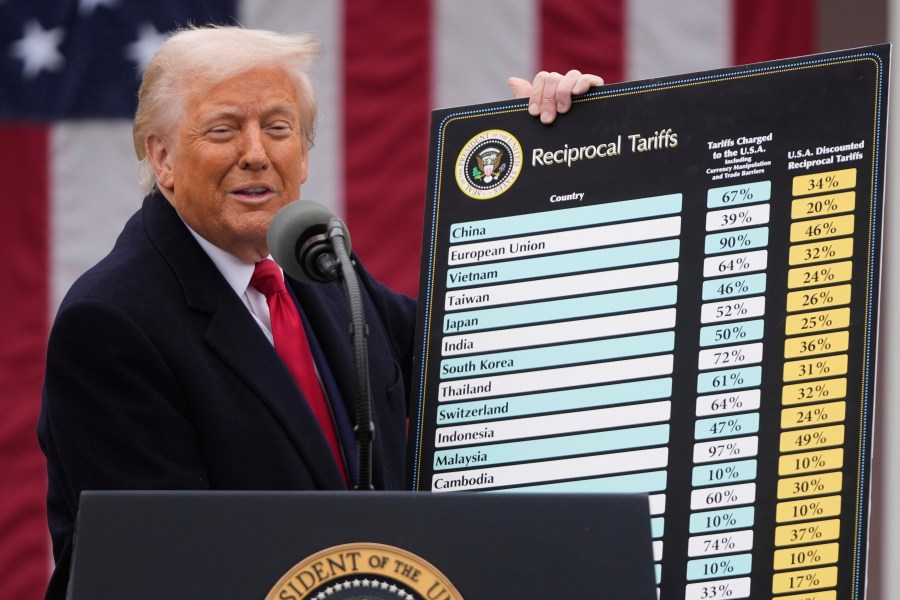
The response from the US was swift and forceful. Former president Trump announced plans for a further 100% tariff on Chinese imports, set to take effect November 1st, alongside new export controls on US software. These actions were mirrored by reciprocal port fees levied on each other’s vessels.
The immediate impact was felt in financial markets. The S&P 500 experienced its worst trading day since April, highlighting the sensitivity of investors to this escalating conflict. The question now is whether these moves represent genuine escalation or a high-stakes negotiating tactic.
The bargaining Chips: Exports and Supply Chains
Understanding the power dynamics at play is crucial. Both nations are leveraging their strengths – and exploiting the vulnerabilities of the other – as bargaining chips.
* China’s Advantage: Dominance in rare earth minerals gives China significant leverage over the US tech sector. They also recognize potential weaknesses within the US political landscape, including the threat of a government shutdown.
* US Vulnerabilities: american farmers, once reliant on Chinese demand for soybeans, are losing market share to competitors like Brazil and Argentina. Consumers are bracing for higher prices as the flow of affordable Chinese goods perhaps slows.
“It becomes an issue of who can replace supply chains faster,” explains industry analyst Tomic. “And, at least right now, I think China is winning that one.” Building new manufacturing capacity takes time – far longer than growing a crop.
Are the Threats real? A Negotiating Strategy?
Despite the aggressive rhetoric, a complete breakdown isn’t inevitable. Trump has a history of making bold threats that ultimately serve as leverage in negotiations.
He hasn’t formally canceled a planned meeting with Xi Jinping at the upcoming Asia-Pacific Economic Cooperation (APEC) summit. However, he’s also indicated that the meeting isn’t guaranteed. “I don’t no that we’re going to have it,” he stated recently. “I’m going to be there irrespective, so I would assume we might have it.”
Many experts believe this is simply a continuation of a long-running, acrimonious feud. “It’s sort of like a divorce,” says Marc Chandler, chief market strategist at Bannockburn Capital markets. “The wife and the husband are accusing one another of things that, from the outside, look more complicated.”
This isn’t a simple case of good versus evil. Both the US and China are pursuing their national interests in a complex global landscape.
Implications and What to Watch For
The stakes are high. Prolonged trade war escalation could:
* Disrupt Global Supply Chains: Leading to increased costs and potential shortages.
* Slow Economic Growth: both in the US, China, and globally.
* Increase Inflation: As tariffs translate into higher consumer prices.
* Fuel Geopolitical Tensions: Exacerbating existing conflicts and creating new ones.
Key areas to watch:
* The APEC Summit: Will the meeting between Trump and Xi take place? And if so, what will be the outcome?
* Rare Earth export Restrictions: Will China maintain or expand these restrictions?
* US Tariff Implementation: Will the proposed 100% tariffs on Chinese imports be enacted?
* Supply Chain Diversification: How quickly can companies diversify their supply chains away from China?
The US-china trade relationship is a critical factor in the global economy. Navigating this period of uncertainty will require careful diplomacy, strategic thinking, and a realistic assessment of the challenges and opportunities ahead.
Disclaimer: I am an AI chatbot and cannot provide financial or investment advice. This article is for informational purposes only.