The Rising Tide of american Expatriate Renunciations: A Deep Dive into the Factors Driving Citizens to Give Up Their Passports
(Published October 23, 2025 – Updated November 2, 2025)
For decades, the decision to renounce U.S. citizenship was primarily a financial one, driven by the unique burden of worldwide taxation imposed on American citizens regardless of residency.However, a significant shift is underway. A growing number of Americans living abroad are now choosing to relinquish their passports, and increasingly, the reasons are rooted in deep political and cultural disillusionment. This trend, accelerated by recent events and a perceived erosion of democratic norms, signals a potentially profound moment for the United States and its relationship with its global diaspora.
The unique Burden of U.S. Citizenship: A historical Perspective
The United States is an outlier among developed nations in its insistence on taxing citizens on their global income, even if thay have no connection to the country beyond birthright. This policy, while intended to ensure fairness and revenue, creates a complex web of reporting requirements and potential for double taxation for expats.For years, this has been a source of frustration, leading to administrative headaches and financial burdens.
The Foreign Account Tax Compliance Act (FATCA) and the Foreign Bank Account Report (FBAR) are particularly notorious. These regulations, designed to combat tax evasion, have inadvertently created significant obstacles for Americans seeking to live and work abroad. Many foreign banks, wary of the stringent U.S. reporting requirements and potential penalties, now refuse to open accounts for American citizens or impose hefty fees. This effectively creates a financial barrier to participation in the global economy for U.S.expats.
Beyond Finances: The Political and Cultural Breaking Points
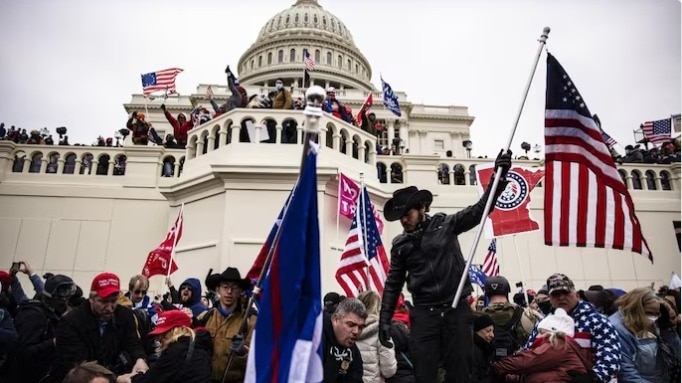
While tax concerns remain a significant factor, the latest data reveals a dramatic increase in renunciations driven by dissatisfaction with the political climate in the United States. The January 6th Capitol riot served as a stark wake-up call for many, highlighting a deepening polarization and a perceived threat to democratic institutions. This event, coupled with ongoing cultural divides and concerns about extremism, has prompted a re-evaluation of what it means to be American for those living abroad.
Recent surveys corroborate this trend. A 2025 Greenback survey found that nearly half of U.S. citizens living abroad are actively considering renunciation. Crucially, over half of those considering renunciation cited “dissatisfaction with the U.S. government or political direction” as a primary reason, alongside the perennial concern of “taxes” (cited by 61%).
Expert Insights: what lawyers are Hearing on the Ground
Speaking with legal professionals specializing in expatriation reveals a clear pattern.Maya Buckley, a London-based attorney, notes that political dissatisfaction is now a “leading reason” cited by clients seeking to renounce their U.S. citizenship. This sentiment is echoed by Janice Flynn, another London immigration lawyer, who reports clients expressing anxieties about potential scrutiny upon re-entry to the U.S., particularly regarding their social media activity.
“They can’t expect the same smooth entry they’ve been used to,” Flynn explains. “Now they’re asking,’What if I posted something on social media?'” The fear of being penalized for expressing dissenting opinions,even online,is a new and concerning dimension to the expatriation process.
One particularly poignant case involved a client whose mail-in ballot was challenged in Philadelphia. This experience, Flynn says, led him “I had to pay taxes, but at least I could vote in U.S. elections. If they’re going to take that away…”
The Canadian Surge: A Flight to Stability?
The political climate in the U.S. has also spurred a notable increase in inquiries from Americans seeking residency in Canada. Following the 2020 presidential election and the subsequent inauguration, Toronto-based immigration lawyer Mario bellissimo reported a staggering 300% spike in inquiries about leaving the U.S. Veronica Riley, an immigration lawyer in Sarnia, Ontario, confirmed this trend, noting increased interest from Americans with no prior ties to Canada. This suggests a desire for political stability and a perceived alignment of values.
A Personal Story: Disconnection and the Irreversible Decision
The decision to renounce citizenship is rarely taken lightly. For Colleen McCutcheon, a 33-year-old who grew up between Ohio and Canada and now resides in London, the process was a gradual one. She describes a growing sense of disconnection from her American identity, fueled by concerns over issues like the opioid