
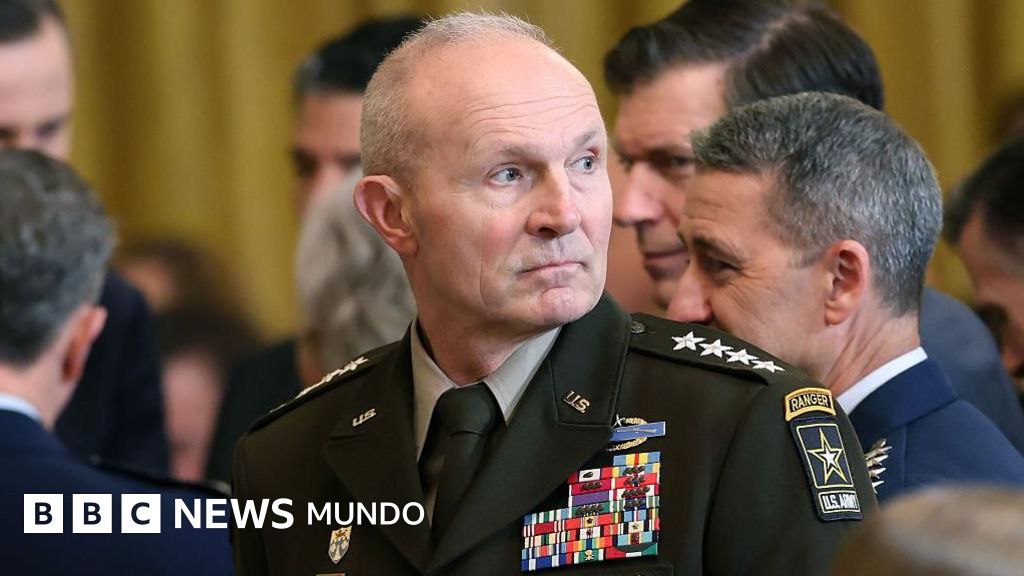
Washington D.C. – In a stunning move signaling escalating tensions both within the U.S. Military and in the ongoing conflict with Iran, President Donald Trump’s administration has abruptly removed the Chief of Staff of the Army, General Randy George. The dismissal, announced Thursday by the Pentagon, comes amidst a protracted and increasingly complex war with Iran, raising questions about the state of military leadership and the direction of U.S. Strategy in the region. The unexpected departure of General George, along with two other unnamed generals, underscores a period of significant upheaval within the Department of Defense, driven by the assertive leadership of Secretary of Defense Pete Hegseth.
The Pentagon confirmed General George’s immediate retirement, effective immediately, but offered no specific explanation for the decision. Sean Parnell, the principal spokesperson for the Department of Defense, stated that General George “will retire from his position as the 41st Chief of Staff of the Army,” offering no further details. This lack of transparency has fueled speculation about the reasons behind the shakeup, particularly given the sensitive timing during active military engagement. The dismissal is particularly notable as General George had only assumed the role in August 2023, during the Biden administration, and was expected to serve a full four-year term. The abruptness of the change, coupled with the removal of two additional generals, suggests a deeper level of dissatisfaction within the administration regarding the military’s performance or strategic approach.
Secretary Hegseth’s Assertive Leadership and a Series of Dismissals
The removal of General George is not an isolated incident but rather part of a broader pattern of personnel changes initiated by Secretary of Defense Pete Hegseth since his appointment last year. Hegseth has demonstrated a willingness to reshape the military’s leadership to align with his vision, leading to a series of dismissals and reassignments. This assertive approach has reportedly caused friction within the Pentagon, with some officials expressing concern about the potential impact on military readiness and morale. The speed with which Hegseth is enacting these changes is raising eyebrows, particularly given the ongoing war with Iran and the require for stable leadership during a period of crisis.
The Pentagon has remained tight-lipped about the specific reasons for the dismissals of General George, General David Hodne, and Major General William Green. A Department of Defense official, speaking on condition of anonymity, confirmed the changes but provided no additional information. This silence has only intensified speculation, with some analysts suggesting that the dismissals may be related to disagreements over strategy, concerns about operational performance, or a desire to install leaders more aligned with Hegseth’s views. The lack of public explanation is unusual for such high-profile personnel changes, particularly during a time of war, and raises questions about the administration’s commitment to transparency.
The Appointment of General Christopher LaNeve
In the wake of General George’s departure, the Pentagon has appointed General Christopher LaNeve as the interim Chief of Staff of the Army. LaNeve, who previously served as the principal military advisor to Secretary Hegseth, was unexpectedly nominated as Vice Chief of Staff in October 2025. His rapid ascent through the ranks – having achieved the rank of two-star general just two years ago – has surprised some observers. This swift promotion suggests that LaNeve is a trusted confidant of Hegseth and is likely to implement the Secretary’s vision for the Army. His appointment signals a clear intention to exert greater civilian control over the military and to prioritize leaders who are aligned with the administration’s policies.
General LaNeve’s background and experience will be closely scrutinized as he assumes the role of interim Chief of Staff. His previous position as Hegseth’s advisor suggests a strong understanding of the Secretary’s priorities and a willingness to implement his directives. Although, his relatively limited experience in command positions may raise questions about his ability to effectively lead the Army during a time of war. The coming weeks will be critical as LaNeve navigates the challenges of his modern role and seeks to establish his credibility with the Army’s leadership and rank-and-file soldiers.
Escalating Tensions and the War with Iran
The personnel changes at the Pentagon come as the United States continues to engage in a deepening conflict with Iran. The war, which has been escalating for months, has involved a series of airstrikes, naval confrontations, and proxy conflicts. Recent reports suggest that the Pentagon is preparing for potential ground incursions into Iranian territory, a move that would represent a significant escalation of the conflict. According to a report in El Comercio, these incursions could last for weeks and target strategic objectives within Iran. The potential for a prolonged and costly ground war has raised concerns among some policymakers and analysts.
The timing of the leadership changes at the Pentagon suggests that the administration may be preparing for a more aggressive approach to the conflict with Iran. The dismissal of General George and the appointment of General LaNeve could be seen as a signal that the administration is willing to accept bolder risks and pursue more unconventional strategies. However, the lack of transparency surrounding the decision-making process raises questions about the potential consequences of these actions. The war with Iran is already having a significant impact on the region, and a further escalation could have devastating consequences for both countries and the wider international community.
The Broader Geopolitical Context
The conflict with Iran is unfolding against a backdrop of broader geopolitical tensions in the Middle East. The region is already grappling with a number of ongoing conflicts, including the war in Yemen and the Syrian civil war. The involvement of multiple actors, including Saudi Arabia, Israel, and Russia, has further complicated the situation. The United States’ relationship with its allies in the region is also strained, with some countries expressing concerns about the administration’s policies. The war with Iran has the potential to destabilize the entire region and to exacerbate existing conflicts.
The United States’ strategic interests in the Middle East are significant, including maintaining access to oil supplies, countering terrorism, and supporting regional allies. However, the costs of maintaining a military presence in the region are high, both in terms of financial resources and human lives. The war with Iran is forcing the administration to reassess its priorities and to consider the long-term implications of its actions. The outcome of the conflict will have a profound impact on the future of the Middle East and on the United States’ role in the world.
The dismissal of General George and the ongoing war with Iran represent a critical juncture for U.S. Foreign policy. The situation demands careful consideration, strategic planning, and a commitment to transparency. The coming weeks will be crucial in determining the course of the conflict and its ultimate outcome. The Pentagon has not announced a timeline for a permanent replacement for General George, but officials have indicated that the search is underway. Further developments are expected as the administration continues to grapple with the challenges of the war with Iran and the need for stable leadership within the military.
Key Takeaways:
- General Randy George has been abruptly dismissed as Chief of Staff of the Army amidst the ongoing war with Iran.
- Secretary of Defense Pete Hegseth is driving a series of personnel changes within the Department of Defense.
- General Christopher LaNeve has been appointed as interim Chief of Staff, signaling a potential shift in military strategy.
- The United States is reportedly preparing for potential ground incursions into Iranian territory, escalating the conflict.
The situation remains fluid, and further updates will be provided as they develop into available. Readers are encouraged to share their thoughts and perspectives in the comments section below.