Former President Donald Trump has asserted that the Strait of Hormuz will remain permanently toll-free as part of a purported new agreement involving Iran, a claim that has sparked significant discussion regarding the status of international maritime transit and ongoing regional diplomacy. While the former president announced the development on social media, official confirmation regarding the specific terms of such an agreement remains limited, as international maritime law already guarantees freedom of navigation through international straits under the United Nations Convention on the Law of the Sea (UNCLOS), according to the United Nations Office of Legal Affairs.
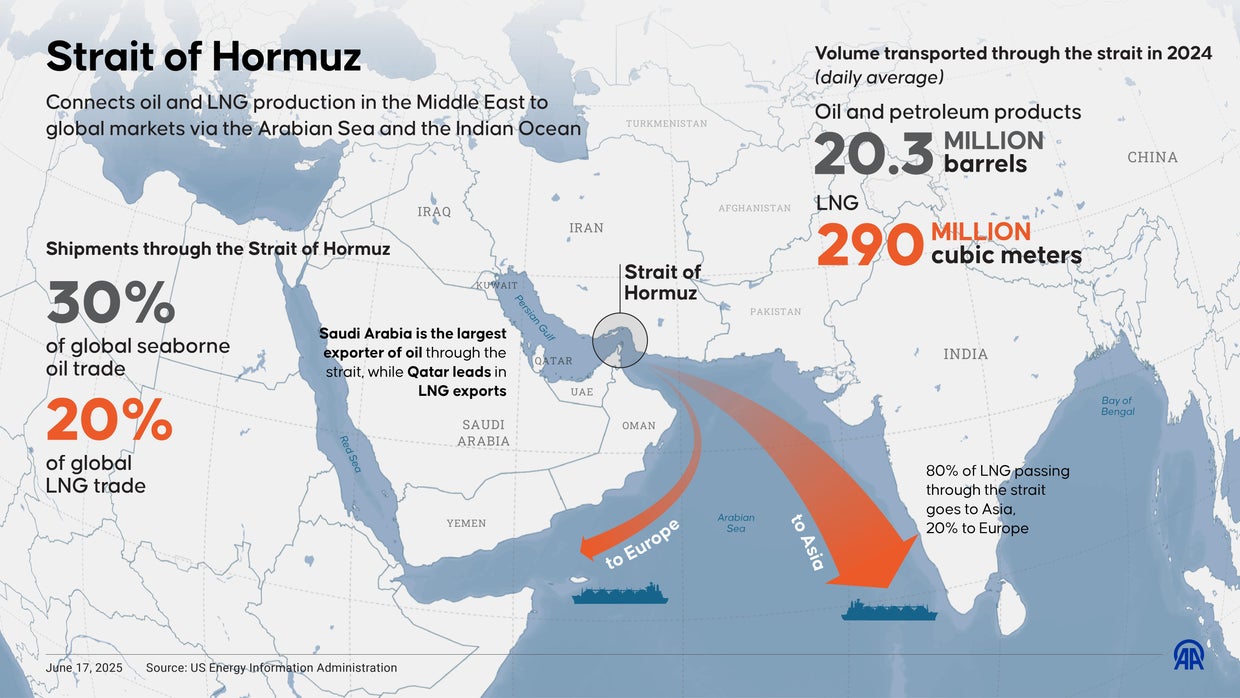
The Strait of Hormuz serves as one of the world’s most critical maritime chokepoints, through which approximately 20% of the world’s total petroleum consumption passes daily, according to data from the U.S. Energy Information Administration. Because the strait connects the Persian Gulf to the Gulf of Oman and the Arabian Sea, its accessibility is a central concern for global energy markets. Fluctuations in geopolitical tension in the region historically result in immediate impacts on global oil prices, as traders react to the potential for supply chain disruptions in this narrow waterway.
Understanding Freedom of Navigation in International Straits
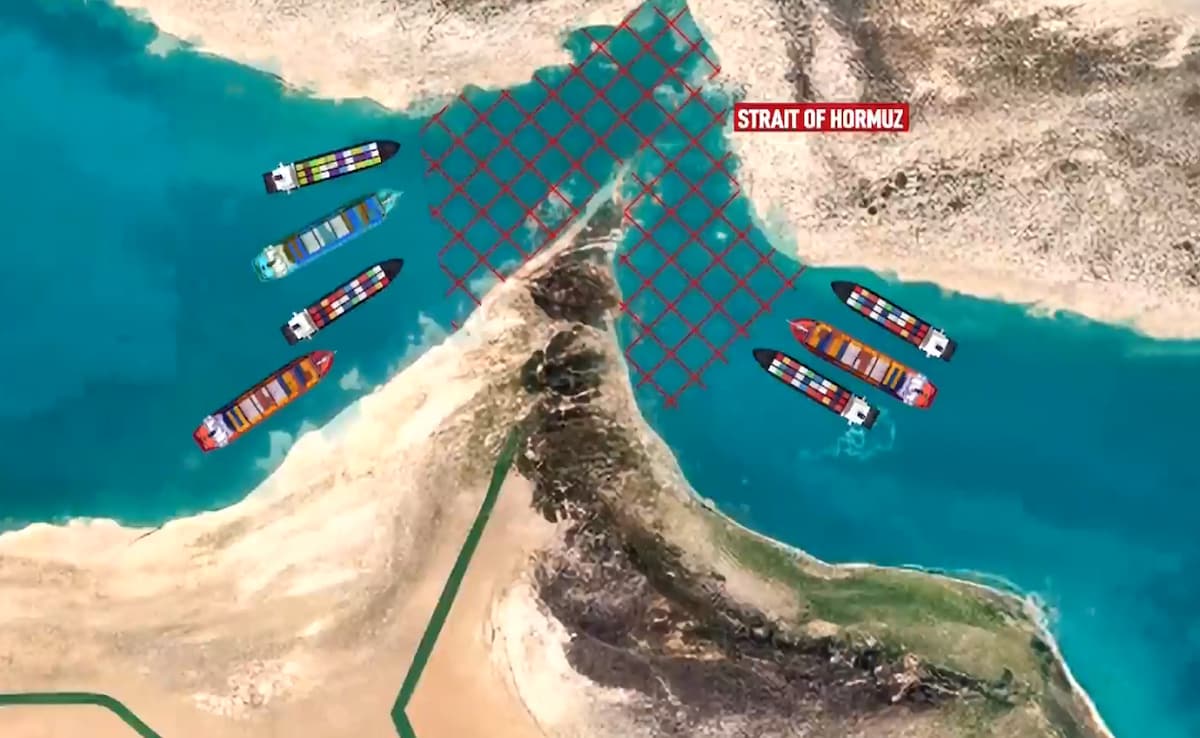
International law defines the Strait of Hormuz as a waterway used for international navigation. Under the doctrine of transit passage, all ships—including commercial vessels and warships—enjoy the right of unimpeded transit through such straits, provided they maintain continuous and expeditious passage, according to the U.S. Department of State. This legal framework generally prohibits coastal states, such as Iran and Oman, from imposing tolls or obstructing the movement of foreign vessels in transit.
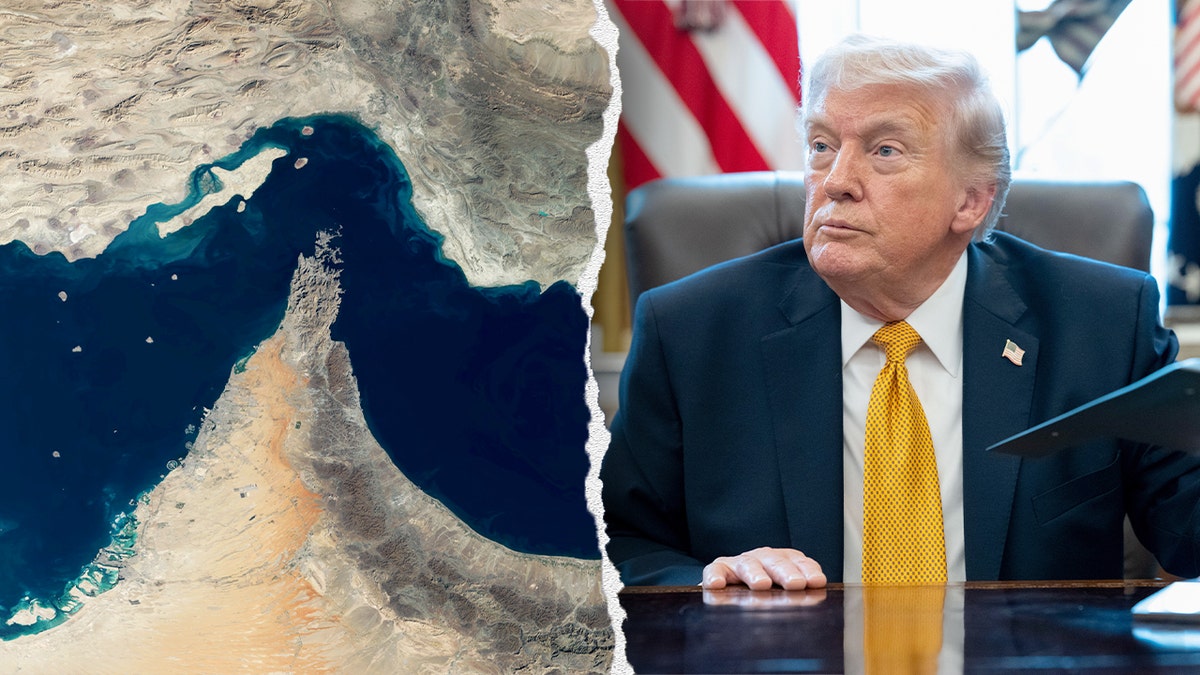
Recent diplomatic discussions, often characterized in media reports as tentative efforts to de-escalate regional frictions, have focused on the implementation of these long-standing international norms. While claims of a new “toll-free” agreement have circulated, maritime experts note that the primary challenge in the region has historically been the enforcement of existing international standards rather than the absence of a toll-free mandate. The International Maritime Organization maintains that the safety and security of shipping lanes are governed by established treaties, which remain the baseline for all sovereign states operating in the Gulf.
Geopolitical Context and Market Reactions
The announcement by Donald Trump follows a period of heightened activity regarding U.S.-Iran relations, a dynamic that has influenced market volatility. Global oil benchmarks, such as Brent Crude, frequently adjust to news reports concerning the security of the Strait of Hormuz. When tensions rise, insurance premiums for tankers operating in the region typically increase, affecting the final cost of oil delivered to global markets, according to analysis from the Reuters Energy Desk.
Market observers suggest that any formal agreement aimed at stabilizing the region would likely require coordination beyond bilateral discussions. The involvement of regional stakeholders, including the Gulf Cooperation Council (GCC) member states, is often cited by policy analysts as necessary for long-term maritime security. As of the latest updates from the U.S. Department of State, there has been no official release of a comprehensive text detailing a new maritime accord, leaving the specific mechanisms of the reported “toll-free” status subject to ongoing verification.
Next Steps in Regional Maritime Security
International observers and shipping companies are monitoring the situation for any changes to the current maritime security environment. The next confirmed checkpoint for regional policy will be the upcoming session of the United Nations General Assembly, where member states are expected to address regional stability and the enforcement of international maritime law.
Until official transcripts or government-signed documents are released, the status of the waterway remains governed by existing international conventions. We invite our readers to share their perspectives on the impact of these diplomatic efforts on global energy security in the comments section below.
Related reading