As the geopolitical landscape remains strained, an Iranian delegation has arrived in Doha to continue high-stakes negotiations aimed at securing a deal to end the ongoing conflict that has significantly impacted global markets and regional stability. The presence of senior officials, including Foreign Minister Abbas Araghchi, Parliament Speaker Mohammad Bagher Ghalibaf, and Central Bank Governor Abdolnaser Hemmati, underscores the gravity of the diplomatic efforts currently underway in Qatar. These talks are a critical juncture in the nearly three-month-long US-Israel war on Iran, a conflict that has disrupted shipping lanes and prompted widespread economic concern.
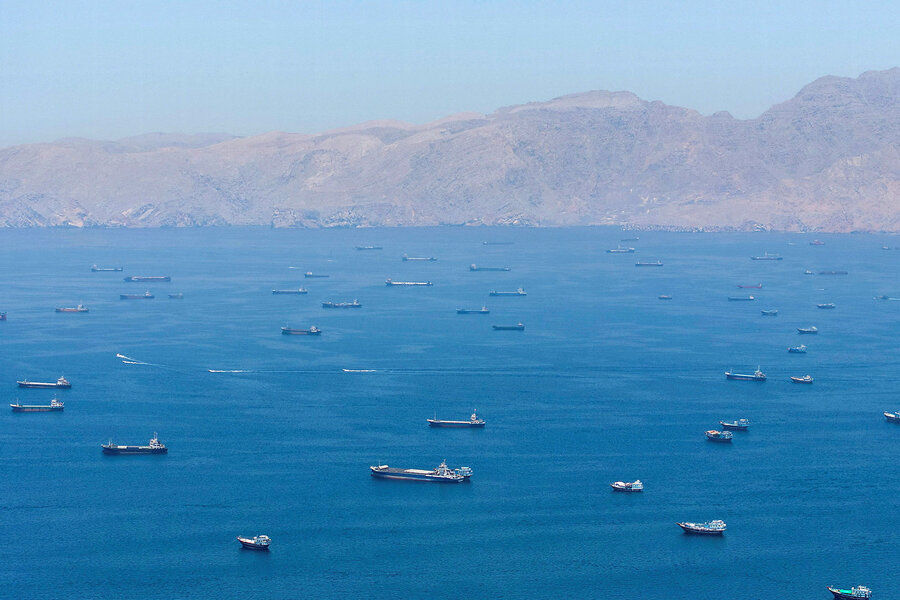
The path to a potential resolution remains fraught with what observers describe as erratic sentiment from both sides. While a ceasefire has been observed by Washington and Tehran since April 8, 2026, the underlying tensions persist. Iran continues to block the Strait of Hormuz to the majority of commercial shipping, while the United States maintains a blockade on Iranian ports. The current diplomatic maneuvering in Qatar is focused on resolving the remaining sticking points to finalize a comprehensive agreement.
Diplomatic Hurdles and the Quest for a ‘Meaningful’ Deal
The intensity of the negotiations in Doha follows remarks from US President Donald Trump, who recently stated that any prospective agreement with Tehran must be “meaningful,” while simultaneously cautioning that the alternative to a solid deal is “no deal.” This rhetoric reflects a broader strategy of leveraging diplomatic pressure to achieve a favorable outcome. Just days prior, President Trump had signaled that an agreement was “largely negotiated,” highlighting the volatile nature of the information flow surrounding the process.

From the Iranian perspective, the tone remains equally cautious. Esmaeil Baghaei, spokesperson for the Iranian Ministry of Foreign Affairs, confirmed that both nations have reached a consensus on a significant portion of the discussion topics. However, he emphasized that this progress does not guarantee that the signing of a formal agreement is imminent. The gap between reaching a conceptual understanding and finalizing a binding treaty remains the primary hurdle for mediators working to stabilize the Middle East.
Economic Impact and the Strait of Hormuz
The economic repercussions of the ongoing conflict are being felt globally, particularly through the obstruction of one of the world’s most vital maritime chokepoints. The Strait of Hormuz serves as a critical artery for international energy supplies, and its continued closure to most shipping has introduced significant volatility into energy markets. For businesses and policymakers, the resolution of this issue is not merely a diplomatic necessity but an economic imperative.

The involvement of the Central Bank Governor, Abdolnaser Hemmati, in the Doha delegation highlights the focus on the financial aspects of the negotiations. The blockade and the resulting sanctions environment have placed immense pressure on Iran’s domestic economy, making the potential for a breakthrough a matter of urgent national interest. Conversely, the United States is navigating the necessity of maintaining regional security while mitigating the inflationary pressures caused by the disruption of global trade routes.
Key Takeaways for Stakeholders
- Negotiation Status: High-level delegations are currently in Qatar to bridge the remaining gaps in the ceasefire agreement.
- Ceasefire Context: A ceasefire has been in place since April 8, 2026, though maritime tensions remain elevated.
- Primary Obstacles: The status of the Strait of Hormuz and the ongoing blockade of Iranian ports remain central points of contention.
- Official Stance: Both the US and Iranian leadership have expressed that while progress has been made, finality is not yet achieved.
What Happens Next?
As the international community watches the talks in Doha, the focus shifts to the next phase of communication between the mediators and the negotiating parties. While there is no fixed deadline for the conclusion of these discussions, the pressure to reach a resolution is mounting as the global economic toll of the conflict grows. Observers should look for official statements from the US Department of State and the Iranian Ministry of Foreign Affairs for updates on the progression of the talks.
The ability of both nations to move beyond the current deadlock will depend on their willingness to reconcile their conflicting requirements for a “meaningful” peace. Until a definitive agreement is signed, the region remains in a state of precarious waiting. We will continue to track the development of these negotiations and provide updates as verified information becomes available. We invite our readers to share their analysis of the economic implications of these talks in the comments section below.