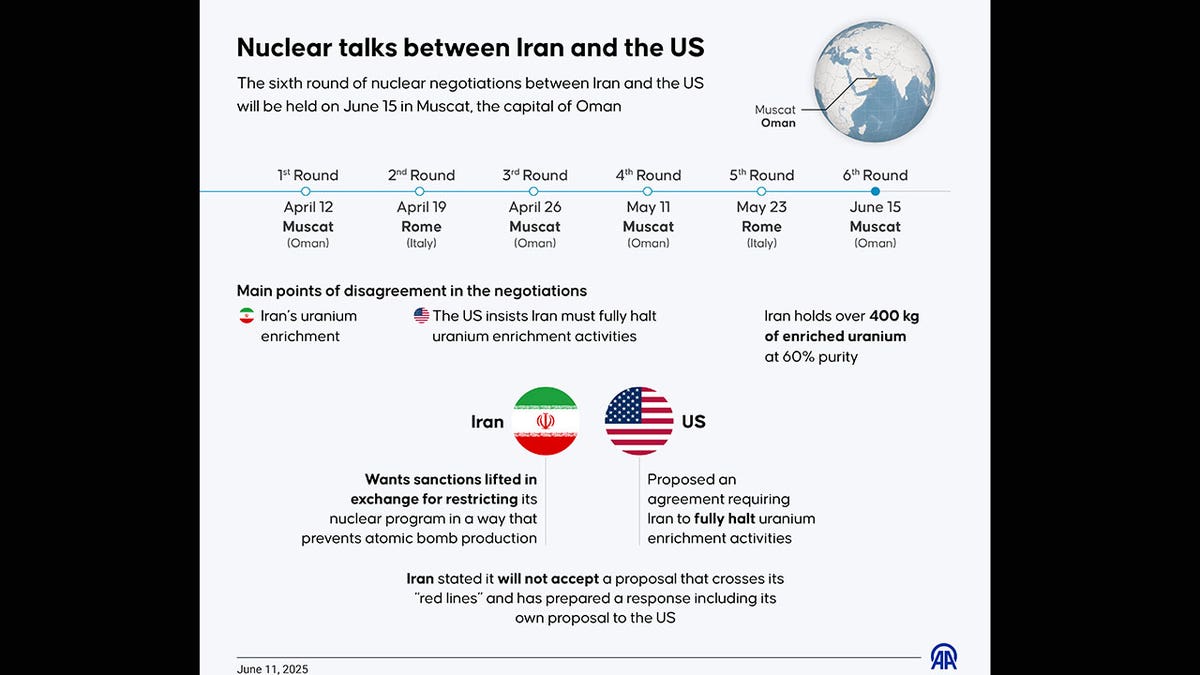
The geopolitical landscape of the Middle East shifted violently this week as a nuclear compromise with Iran remained elusive, triggering a severe escalation in military posture. A U.S. Blockade of Iranian ports and a partial blockade of the Strait of Hormuz—one of the world’s most critical chokepoints for oil, fertilizer and vital goods—officially commenced on Monday, April 13, 2026, at 10 a.m. EDT according to CBS News.
The move comes after the collapse of high-stakes peace negotiations in Islamabad, Pakistan, where U.S. And Iranian delegations attempted to secure a lasting agreement. The U.S. Delegation, led by Vice President JD Vance, reported that the primary obstacle to peace is Iran’s refusal to abandon its nuclear ambitions. This diplomatic failure has pushed the two nations back toward a direct military confrontation, leaving the global economy vulnerable to disruptions in energy shipments.
Tehran has responded with sharp condemnation, labeling the U.S. Blockade of the Strait of Hormuz as “illegal” and equating the action to “piracy.” Iranian defense officials have warned that any foreign military action in the strait will escalate instability and have explicitly stated that no Gulf ports will remain safe if traffic to and from Iranian ports is impeded.
The Nuclear Deadlock: A 20-Year Freeze
At the heart of the current crisis is a fundamental disagreement over the future of Iran’s nuclear capabilities. Sources indicate that the United States proposed a minimum 20-year suspension of Iranian uranium enrichment as a prerequisite for a peace deal via ABC News. This proposal represents a significant demand, aiming to effectively freeze Iran’s ability to produce weapons-grade material for two decades.
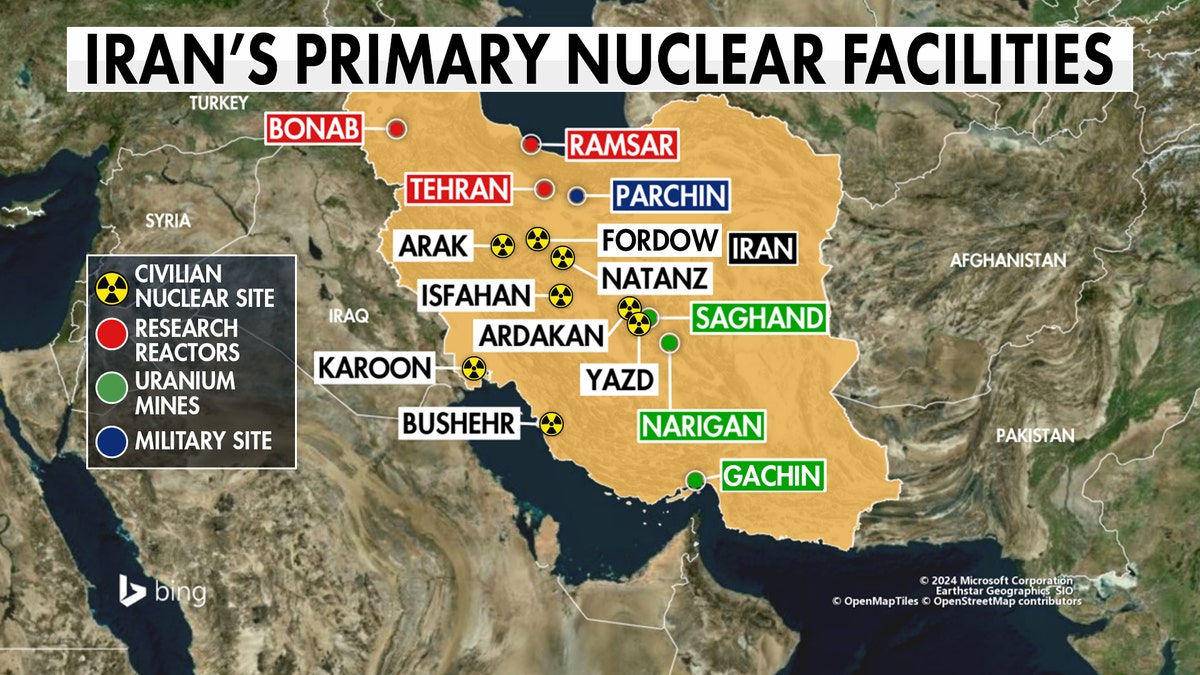
President Donald Trump has identified the nuclear program as the key sticking point in the negotiations. This latest escalation follows a period of extreme volatility that began on February 28, when the U.S. And Israel launched “major combat operations” targeting Iranian military and government sites. While a brief window of diplomacy followed—including a two-week suspension of planned bombing in exchange for Iran reopening the Strait of Hormuz—the subsequent talks in Pakistan failed to bridge the gap between the two sides.
The impasse has left the international community searching for a mediator. Pakistan continues to push for a resumption of negotiations to secure a peace accord before the current ceasefire expires next week. Meanwhile, Iranian President Masoud Pezeshkian has sought international support, holding discussions with French President Emmanuel Macron on Tuesday to address the “lack of US will” that he claims prevented a deal in Islamabad.
Regional Spillover and the Lebanon Front
While the U.S. And Iran are locked in a maritime and diplomatic standoff, the conflict continues to bleed into neighboring territories. Israel is currently maintaining ground operations and conducting intense airstrikes in Lebanon, targeting the Iran-backed Hezbollah militia. This secondary front complicates the broader effort to stabilize the region, as the conflict is no longer confined to a bilateral dispute between Washington and Tehran.
Israeli Prime Minister Benjamin Netanyahu has stated his support for the ceasefire with Iran, but he has explicitly clarified that Lebanon is not covered by that agreement. This distinction has drawn protests from Iran, which views the operations in Lebanon as an extension of the wider war. The persistence of strikes in Lebanon suggests that even if a nuclear compromise is reached, the regional security architecture remains fractured.
Global Responses and China’s Role
The international community is viewing the blockade with alarm, fearing the “law of the jungle” is replacing international diplomacy. Chinese President Xi Jinping vowed on Tuesday that China would play a “constructive role” in promoting peace talks in the Middle East. State media reported that Xi emphasized the necessitate to respect the sovereignty, security, and territorial integrity of Gulf countries.
China’s official stance has been critical of the U.S. Strategy, describing the blockade of the Strait of Hormuz as “dangerous and irresponsible.” This sentiment was echoed by Spanish Prime Minister Pedro Sanchez, who suggested that China could play an “important” role in resolving the war, reflecting a growing international desire to see a third-party mediator capable of bringing both the U.S. And Iran back to the table.
Key Developments in the U.S.-Iran Conflict
| Date | Event | Outcome/Status |
|---|---|---|
| Feb 28 | Joint U.S.-Israeli strikes | Targeted Iranian military and government sites |
| March/April | Temporary bombing suspension | Conditional on Iran reopening the Strait of Hormuz |
| April 13 | Blockade implementation | U.S. Blockade of ports and partial Strait of Hormuz blockade began at 10 a.m. EDT |
| April 14 | Diplomatic outreach | China and France engage in peace promotion efforts |
What Happens Next?
The immediate future of the region depends on whether the U.S. And Iran can discover a middle ground on uranium enrichment before the current ceasefire runs out next week. The blockade of the Strait of Hormuz has already created a high-pressure environment, with the potential for increased global gas prices and maritime instability. If negotiations do not resume, the world may face a broader escalation of “major combat operations.”
The next critical checkpoint is the expiration of the ceasefire next week. All eyes remain on the diplomatic channels in Pakistan and the potential for China to facilitate a new round of talks that could address the nuclear deadlock.
World Today Journal will continue to monitor this developing story. We invite our readers to share their perspectives on the current diplomatic stalemate in the comments below.
Worth a look