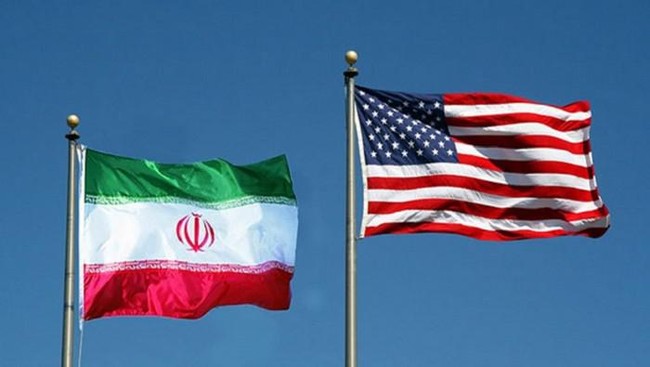
The fragile peace between the United States and Iran is facing a critical juncture as both nations weigh the possibility of returning to the negotiating table. Following weeks of intense conflict and a subsequent temporary truce, the international community is closely monitoring whether a fresh diplomatic breakthrough can be achieved to prevent a return to full-scale hostilities.
The current tension follows a period of significant escalation, which saw the U.S. Engage in nearly six weeks of bombing campaigns. This cycle of violence was interrupted by a temporary ceasefire, brokered through high-level backchannel diplomacy led by Pakistan. As the window for this ceasefire closes, the pressure to secure a more permanent US-Iran peace deal has intensified, with Islamabad serving as the primary venue for these delicate discussions.
The role of Pakistan has been pivotal in this process. Prime Minister Shehbaz Sharif and military chief Asim Munir have engaged in direct diplomacy, including a visit to the White House in September 2025 to meet with President Donald Trump, Vice President JD Vance and Secretary of State Marco Rubio according to Al Jazeera. This diplomatic groundwork paved the way for the temporary cessation of hostilities announced in early April 2026.
Despite the initial success of the ceasefire, the path to a lasting agreement remains fraught with contradictions. Disagreements over the transit of ships through the Strait of Hormuz—a vital global shipping lane—remain a primary point of contention. While the U.S. Administration claimed Iran would allow unimpeded transit, Iranian Foreign Minister Abbas Araghchi stated that such passage would demand to occur under the auspices of the Iranian armed forces per reports from Al Jazeera.
The Pakistani Mediation Effort and the Road to Islamabad
Pakistan’s emergence as a mediator is not an accidental development but a strategic application of its historical role as a backchannel between rival global powers. By offering to bring Washington and Tehran to the negotiating table, Islamabad has attempted to leverage its unique relationships with both administrations to stabilize a volatile region.
The mediation efforts reached a peak recently with a historic round of face-to-face negotiations hosted in Islamabad. However, these talks ended early Sunday without a formal agreement, leaving the fate of the fragile, two-week ceasefire in a state of uncertainty as reported by PBS. The lack of a signed accord has heightened fears that the temporary pause in bombing may not be extended.
The complexity of these negotiations is further compounded by the internal dynamics of the participating nations. In the United States, President Trump’s approach has been characterized by strict deadlines and public declarations via Truth Social. In Iran, the government continues to manage internal stability while navigating the external pressures of U.S. Military threats and economic sanctions.
The Strategic Importance of the Strait of Hormuz
A central pillar of the current dispute is the control and security of the Strait of Hormuz. This narrow waterway is one of the world’s most important oil chokepoints, and any disruption to transit has immediate implications for global energy prices and economic stability.
The disagreement between the U.S. And Iran over “unimpeded transit” versus “Iranian armed forces auspices” is more than a semantic dispute; We see a question of sovereignty, and security. For the U.S., ensuring the freedom of navigation is a non-negotiable security priority. For Iran, controlling the waterway is a primary means of exerting leverage over international powers and ensuring its own national security.
Key Timelines and Diplomatic Milestones
To understand the current volatility, it is necessary to look at the sequence of events that led to the current state of negotiations:
| Date | Event | Outcome |
|---|---|---|
| September 2025 | Pakistani leadership visits White House | Meetings with Trump, Vance, and Rubio to discuss regional stability. |
| October 13, 2025 | Summit in Sharm El Sheikh, Egypt | Breakthrough ceasefire deal regarding the Israel-Hamas war. |
| Early April 2026 | Ceasefire announced via Truth Social/X | Temporary two-week pause after six weeks of U.S. Bombing. |
| April 2026 (Recent) | Face-to-face talks in Islamabad | Negotiations ended without a formal agreement. |
What This Means for Global Stability
The failure to reach a definitive agreement during the Islamabad talks means that the world remains “on edge.” The possibility of a return to hostilities is not merely a regional concern but a global economic risk. If the ceasefire expires without a new agreement, the threat of renewed bombing and the potential for the closure of the Strait of Hormuz could trigger a surge in global oil prices.
For Pakistan, the stakes are equally high. By positioning itself as the primary mediator, Islamabad is attempting to enhance its international standing and ensure its own security. However, the inability to finalize a deal could expose the limits of its diplomatic leverage. The presence of paramilitary soldiers at the U.S. Consulate in Karachi on March 1, 2026, following protester activity, underscores the internal pressures Pakistan faces while managing this external crisis according to AP News.
The Human and Political Cost
Beyond the geopolitical maneuvering, the conflict has had a tangible impact on the ground. The “six weeks of bombing” mentioned by President Trump suggests a period of significant military activity that has displaced populations and damaged infrastructure. The temporary ceasefire provided a “chance to breathe,” but without a permanent political solution, the humanitarian situation remains precarious.

the role of military leadership in Pakistan has evolved. The elevation of Field Marshal General Asim Munir has seen the military take a more prominent role in diplomatic outreach, reflecting a shift toward a security-led approach to mediation in the region as detailed by AP News.
What Happens Next?
The immediate focus is now on whether the U.S. And Iran can identify a compromise on the specific terms of the ceasefire extension before the current deadline expires. Diplomatic sources suggest that further backchannel communications are ongoing, though the public failure of the Islamabad talks has dampened optimism.
The international community will be looking for specific signals: a joint statement on the Strait of Hormuz, a formal extension of the ceasefire date, or a new invitation for talks in a neutral venue. Until such a signal is given, the region remains in a state of high alert.
The next critical checkpoint will be the official expiration date of the two-week ceasefire. Whether the U.S. Chooses to renew the pause or resume military operations will depend on the results of the current unconfirmed diplomatic efforts and the willingness of Tehran to concede on the issue of maritime transit.
World Today Journal encourages our readers to share their perspectives on this developing situation in the comments below. Stay tuned for further updates as we monitor the official communications from Washington, Tehran, and Islamabad.
Keep reading
- How Kumamoto Built a Disaster-Resilient Future After Deadly Earthquakes
- Bringing Paris and London’s Winter Festivals to Korea: A Critique
- Latest Entertainment News: Movies, TV, Music, and Celebrity Updates (newsdirectory3.com)
- Google Updates Gemini for Wear OS With New Redesigned Overlay Interface (archyworldys.com)