
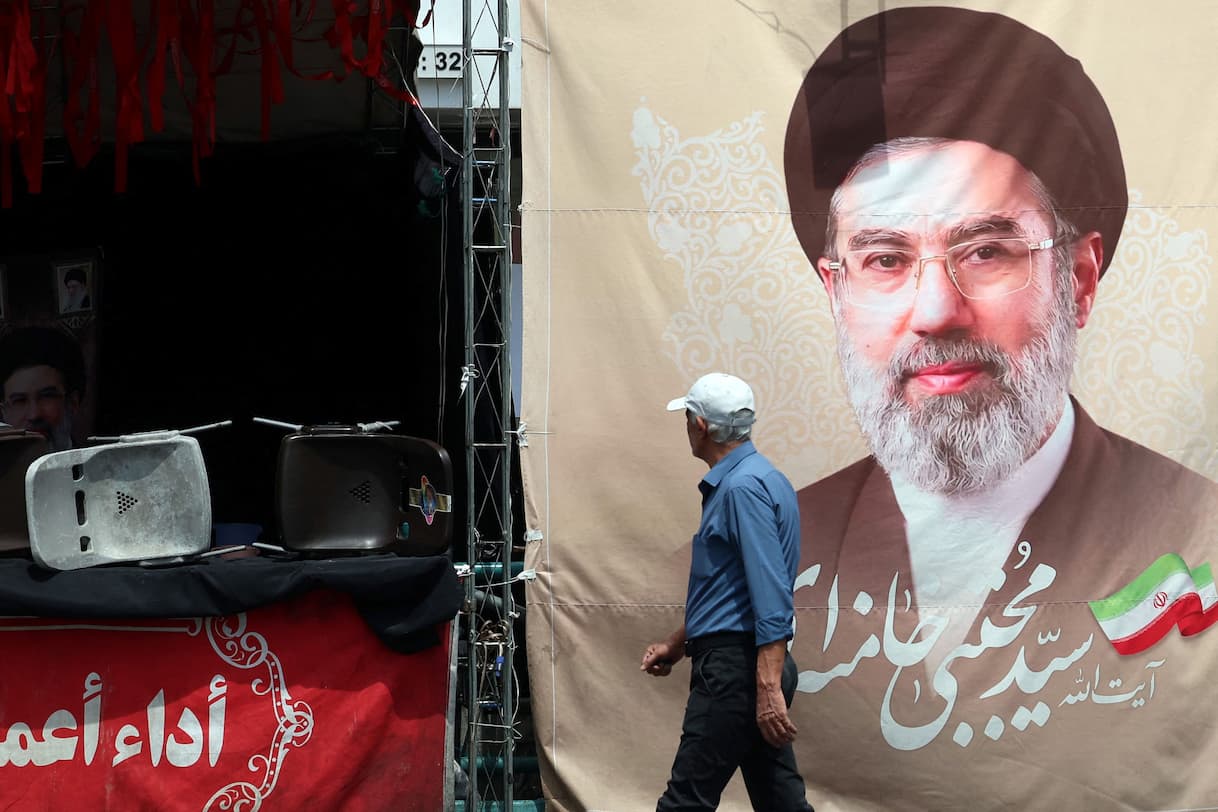
Supreme Leader Ayatollah Ali Khamenei has signaled a shift in Iran’s diplomatic posture regarding the United States, acknowledging the formalization of a memorandum while characterizing the actions of former President Donald Trump as manifestations of strategic weakness. This development coincides with a period of heightened international scrutiny over the future of nuclear non-proliferation agreements and the stability of the Middle East, as reported by the International Atomic Energy Agency (IAEA) regarding ongoing monitoring efforts.
The memorandum, which outlines specific parameters for engagement, arrives as European powers—led by France—attempt to mediate the persistent friction between Washington and Tehran. French President Emmanuel Macron has publicly cautioned that the cessation of direct hostilities does not equate to a resolution of the underlying geopolitical tensions, noting that the risk of escalation remains a concern for regional security, according to statements monitored by the Élysée Palace.
The Diplomatic Landscape of the Memorandum
The Iranian leadership’s decision to engage with the memorandum follows a period of intense economic pressure and diplomatic isolation. By framing the American approach under the previous administration as a sign of weakness, Tehran seeks to project internal stability while navigating the complexities of international sanctions. This rhetoric serves to consolidate domestic support, even as Iranian officials participate in indirect talks in neutral territories, such as Switzerland, to assess the feasibility of reviving diplomatic channels.

According to the U.S. Department of State, the policy framework regarding Iran remains centered on a “maximum pressure” legacy that continues to influence current legislative debates in Congress. The divergence between the current administration’s stated goals of diplomacy and the restrictive measures still in place creates a bottleneck for progress. Observers note that the memorandum functions less as a comprehensive peace treaty and more as a tactical document designed to define the boundaries of future, limited interactions.
Geopolitical Implications and Regional Security
The volatility of the U.S.-Iran relationship continues to dictate the security architecture of the Persian Gulf. While the immediate threat of open military conflict has fluctuated, the presence of proxy forces and the ongoing expansion of Iran’s nuclear enrichment program—documented in recent IAEA technical reports—remain primary points of contention. Macron’s recent warnings highlight the fragility of the current status quo, suggesting that the “war” is not entirely over, but has instead shifted into a prolonged phase of economic and cyber-based attrition.

The contrast between the two nations’ strategies is stark. The United States continues to leverage its financial dominance to enforce compliance with international norms, while Iran utilizes its regional influence to push back against these constraints. This stalemate, as analyzed by international relations experts, suggests that neither party is currently positioned to make the significant concessions required for a return to the 2015 Joint Comprehensive Plan of Action (JCPOA) framework, or any successor agreement.
Perspectives on the Current Standoff
The narrative surrounding the memorandum varies significantly depending on the source. In Washington, the focus remains on the efficacy of sanctions as a tool for behavioral change, while in Tehran, the emphasis is placed on the perceived failure of those same sanctions to dismantle the Iranian state apparatus. These conflicting interpretations make the current diplomatic maneuvering in Europe particularly difficult to track for the average citizen.

For those following these developments, the next critical checkpoint will be the upcoming quarterly review by the United Nations Security Council, where the status of nuclear inspections and sanctions relief will likely be debated. These sessions serve as the primary venue for member states to address the ongoing impasse. We encourage our readers to monitor official statements from their respective foreign ministries and the United Nations for the most accurate, real-time updates on these proceedings.
We invite you to join the conversation in the comments section below. What do you believe is the most significant hurdle to a lasting diplomatic breakthrough in the region? Your perspectives help us provide a more balanced view of this ongoing global challenge.