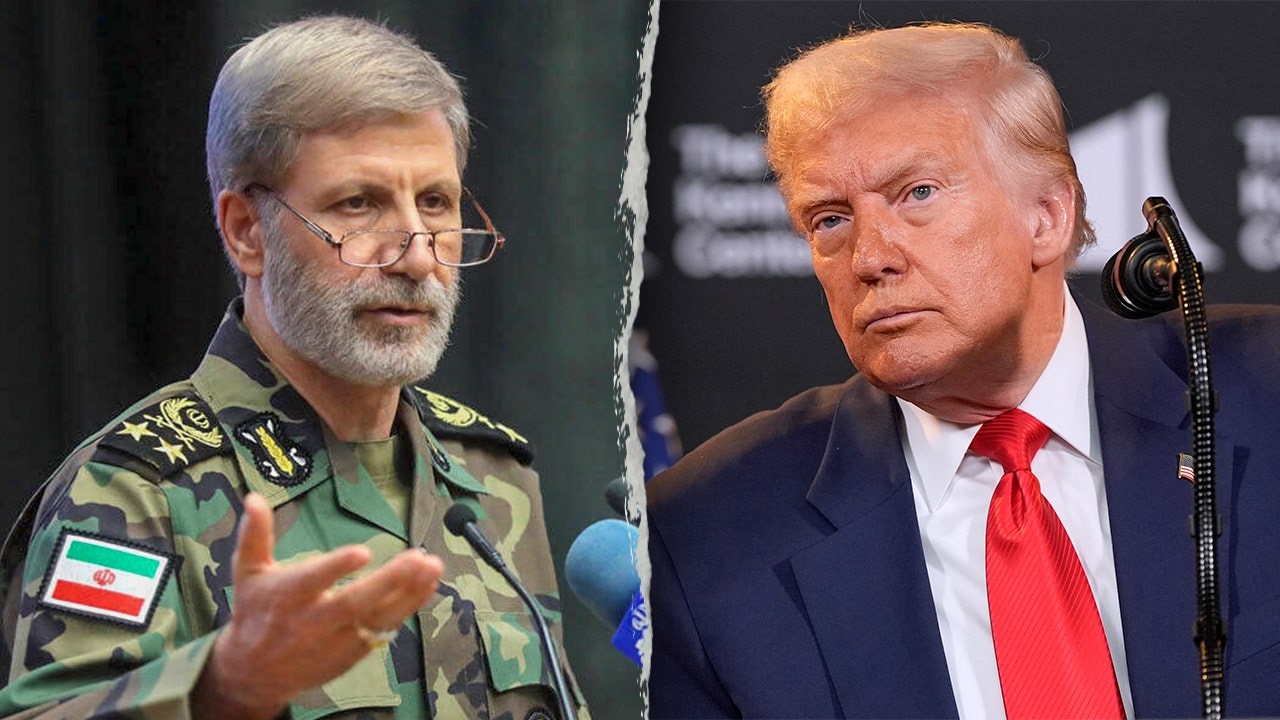
In a recent assessment of regional security, U.S. Secretary of Defense Pete Hegseth has signaled that the United States remains prepared to resume military operations against Iran should diplomatic efforts to reach an agreement fail to materialize. The statement underscores the ongoing tension in the Middle East as the Pentagon monitors the status of negotiations and regional stability.
As the international community watches these developments closely, the core of the discussion centers on whether existing diplomatic frameworks can effectively manage the security concerns held by the U.S. And its partners. For those seeking the latest official communications, the U.S. Department of Defense continues to provide updates on its posture regarding regional threats and strategic deterrence.
Evaluating U.S. Strategic Posture in the Middle East
The assertion that the U.S. Is “more than capable” of resuming hostilities serves as a reminder of the military infrastructure currently positioned across the region. This strategic readiness is designed to act as a deterrent, ensuring that the U.S. Maintains the flexibility to respond to provocations or shifts in the diplomatic landscape. Hegseth’s comments reflect a policy of maintaining high-readiness levels while simultaneously supporting diplomatic channels.
Analysts note that the current approach balances the dual requirements of military preparedness and political outreach. While the Pentagon emphasizes the importance of a deal to stabilize the region, the underlying reality remains that military options are kept on the table as a contingency. This dual-track strategy is a hallmark of U.S. Foreign policy in the region, aimed at preventing escalation while holding firm on security requirements.
Key Factors Influencing Regional Stability
Several variables continue to influence the trajectory of these events. The presence of U.S. Forces in various locations across the Middle East is governed by long-standing security agreements and strategic mandates. According to recent reports from the Congressional Research Service, the deployment of naval and air assets is frequently adjusted to meet evolving security challenges. These adjustments are subject to oversight by the relevant committees in the U.S. Congress, which regularly review the authorization and funding for military operations.
The effectiveness of this deterrent strategy is often debated by policy experts. Some argue that a clear, public acknowledgment of military capability is necessary to prevent miscalculations by opposing forces. Others suggest that such rhetoric may complicate the already delicate process of diplomatic negotiation. Regardless of the perspective, the Pentagon maintains that its primary objective is the protection of U.S. Personnel and the maintenance of regional security, as outlined in the National Defense Strategy.
Understanding the Diplomatic and Military Nexus
- Strategic Deterrence: The use of military posturing to discourage potential adversaries from taking actions that could lead to conflict.
- Diplomatic Engagement: The ongoing efforts by the U.S. And its international partners to find a negotiated resolution to security concerns.
- Contingency Planning: The development of military options that can be deployed if diplomatic pathways are closed or ineffective.
Next Steps and Official Oversight
The situation remains fluid and observers are looking toward upcoming briefings for further clarity. The U.S. Government is expected to continue its interagency reviews regarding the effectiveness of its Iran policy. Legislative bodies, including the Senate Armed Services Committee, are slated to hold hearings on global security threats in the coming months, where officials may provide additional insight into the administration’s strategic priorities.
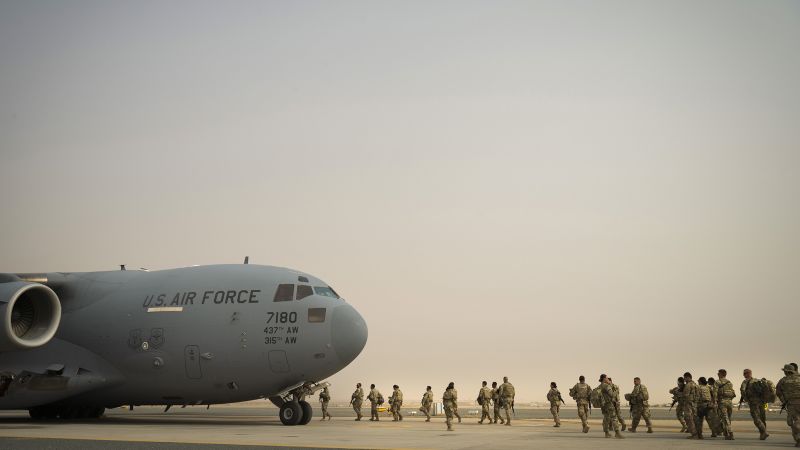
For readers interested in following this story as it develops, official transcripts and press releases from the Pentagon offer the most reliable source of information regarding changes in force posture or diplomatic status. We encourage our readers to stay informed through these official channels and to join the discussion in the comments section below regarding the implications of these security policies for the broader global community.
Worth a look