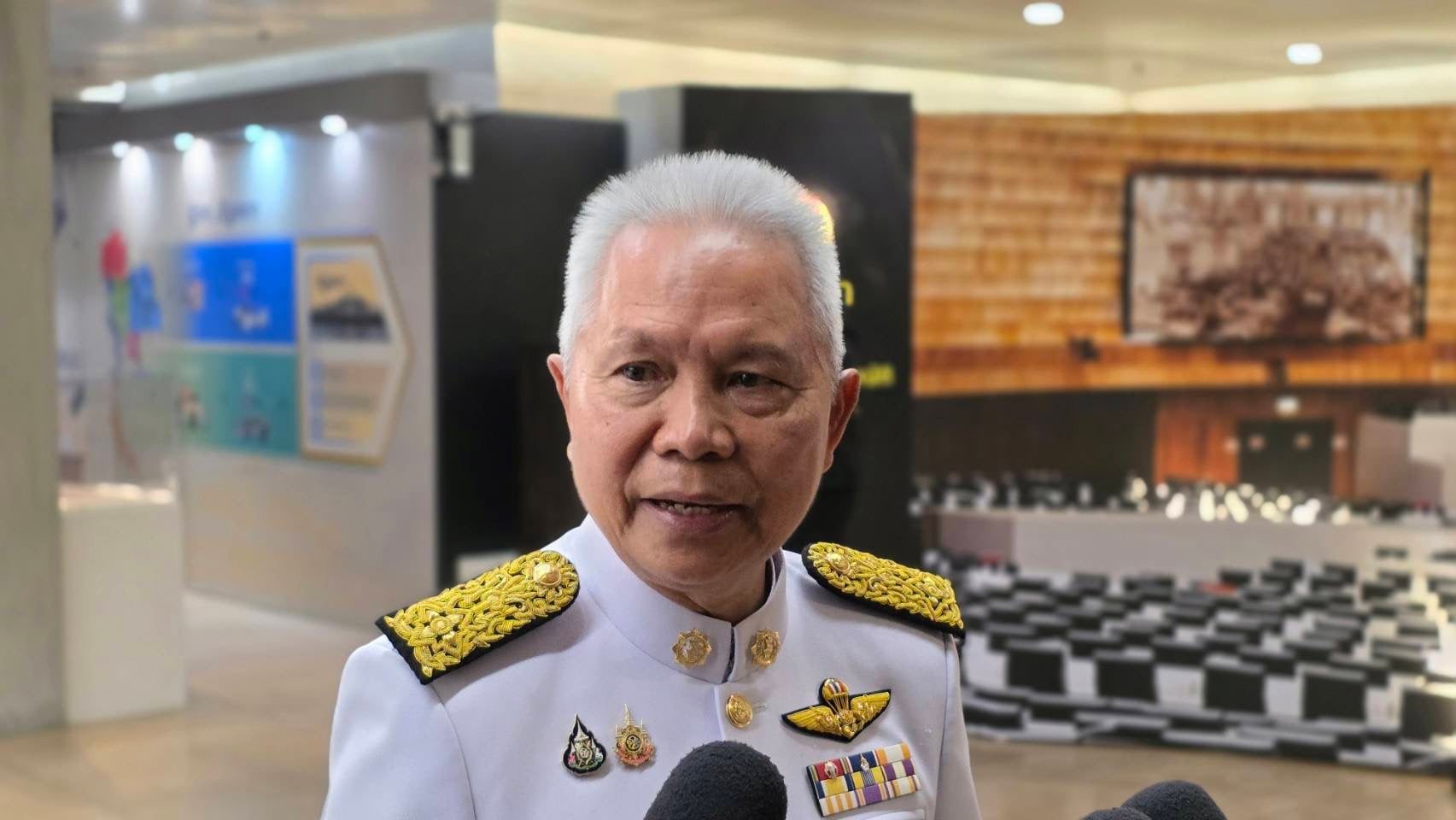
BANGKOK — Thailand’s legislative landscape is bracing for a pivotal moment in its democratic evolution as the nation prepares for a high-stakes parliamentary session scheduled for early July. The upcoming joint sitting of Parliament, set to take place on July 7–8, 2026, is expected to serve as the first formal stage in a contentious debate over the country’s constitutional framework.
The announcement, brought to light by political figure Sopon, signals a critical juncture for the government and opposition alike. At the heart of the upcoming deliberations is the first reading of proposed amendments aimed at fundamentally restructuring how the nation’s supreme law is drafted, and maintained. The session is poised to determine whether the current political establishment can navigate the growing demand for a constitutional overhaul that addresses long-standing grievances regarding institutional power and democratic representation.
As the July dates approach, the atmosphere in the capital is one of heightened anticipation. For a global audience observing Thailand’s political stability, these two days in Parliament will provide a clear indication of whether the country is moving toward a more inclusive democratic model or if the existing power structures will successfully defend the status quo.
The Battle Over Senate Veto Power
A primary driver of the current legislative push is the urgent need to address the authority of the Senate. Under the existing constitutional framework, the Senate has wielded significant influence over the legislative process, often acting as a check—or a barrier—to reforms proposed by the popularly elected House of Representatives.
Political factions are increasingly coalescing around the goal of “unlocking” the Senate’s veto power. The current mechanism allows the upper house to effectively stall or block constitutional amendments, a reality that many lawmakers argue stifles the will of the electorate. By proposing amendments that limit the Senate’s ability to obstruct the drafting of a new charter, reformers hope to ensure that the legislative process remains responsive to the public interest.
This struggle for authority is not merely a procedural dispute; it is a fundamental fight over the distribution of power in Thailand. If the proposed amendments succeed in curbing the Senate’s oversight capabilities, it would represent one of the most significant shifts in Thai governance since the implementation of the current constitution. Conversely, resistance from Senate-aligned factions could lead to significant political gridlock, potentially delaying the reform process for years.
Diverse Models for a New Constituent Assembly
As the debate intensifies, various political leaders have begun presenting competing visions for how a new constitution should be crafted. Central to these discussions is the formation of a Constituent Assembly (CDC)—a dedicated body tasked with drafting a new charter that would eventually replace the current one.
One of the most prominent and detailed proposals has emerged from former Prime Minister Abhisit Vejjajiva. Recognizing the need for both democratic legitimacy and technical expertise, Vejjajiva has proposed a hybrid model for the composition of the Constituent Assembly. His proposed structure consists of:

- 80 members selected directly from the public, ensuring that the new charter is rooted in the will of the people and reflects contemporary societal values.
- 20 members drawn from the judiciary and academic sectors, intended to provide the necessary legal rigor and specialized knowledge required to draft a complex legal document.
This 80-to-20 ratio is designed to balance “popular mandate” with “professional competence,” a middle ground intended to appease both reformist activists and more conservative legal scholars. Proponents of this model argue that it prevents the assembly from becoming purely populist while ensuring that the legal elite cannot dominate the process through technicalities alone.
Other political entities, including members of the Democrat Party, have echoed the call for a fresh start through a new CDC. Some factions have even suggested that the process should begin with a national referendum to gauge public appetite for a completely new drafting body, ensuring that any subsequent legislative moves carry the full weight of public consent.
Navigating the ‘Blue Regime’ and Political Resistance
The path to reform is further complicated by deep-seated concerns regarding what some political commentators and critics have termed the “Blue Regime.” This term is frequently used in Thai political discourse to describe a perceived, entrenched network of influence that operates behind the scenes to preserve traditional power structures and institutional advantages.
The emergence of this term highlights a growing anxiety among reformers that even if legislative processes like the July 7–8 session proceed, the actual outcomes may be manipulated by non-elected or semi-official power blocs. The fear is that the “Blue Regime” could utilize its influence within the bureaucracy, the judiciary, and the Senate to ensure that any constitutional amendments remain superficial, leaving the core pillars of the existing power architecture intact.
This perception of an “invisible hand” in Thai politics adds a layer of complexity to the upcoming parliamentary debates. Lawmakers are not just debating text and clauses; they are navigating a landscape where the real battle lines are often drawn between visible legislative action and invisible institutional resistance. For the international community, the ability of the Thai Parliament to withstand these pressures will be a key metric of the country’s democratic health.
Key Takeaways: The Road to July 7–8
As the nation awaits the joint parliamentary session, the following points summarize the current state of the constitutional reform movement:
- Critical Timeline: The first reading of the constitutional amendment bill is scheduled for the joint parliamentary session on July 7–8, 2026.
- Core Objective: A central goal of the reform is to reduce the Senate’s ability to veto or block constitutional changes.
- The CDC Debate: Proposals for a Constituent Assembly vary, with a notable model suggesting an 80/20 split between public representatives and legal/academic experts.
- Systemic Challenges: Reformers face significant opposition from entrenched interests, often described by critics as the “Blue Regime.”
- Democratic Stakes: The outcome of the July session will determine the legitimacy and direction of Thailand’s constitutional future.
Frequently Asked Questions
What is the purpose of the July 7–8 parliamentary session?
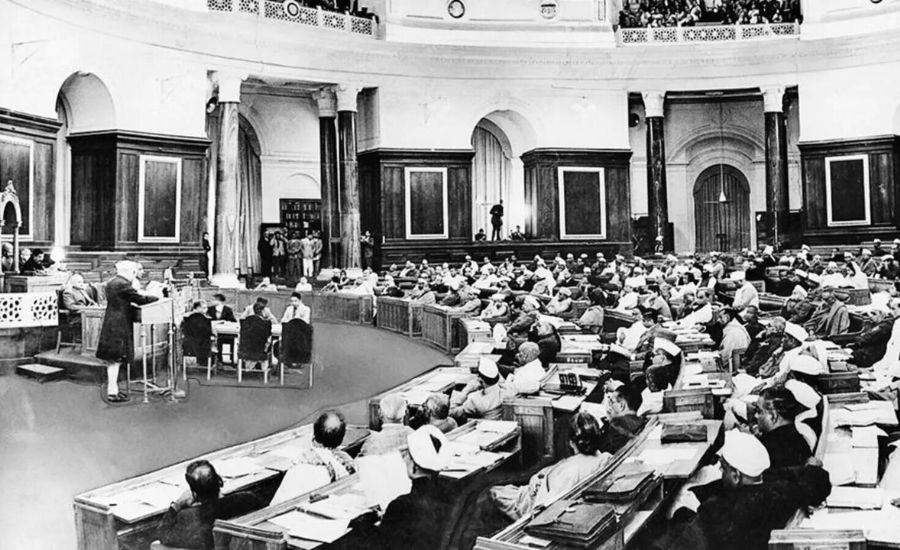
The session is a joint meeting of the House of Representatives and the Senate to conduct the first reading of proposed constitutional amendments. This is the essential first step in the legal process of changing the country’s supreme law.
What is a Constituent Assembly (CDC)?
A Constituent Assembly is a specific body of elected or appointed individuals whose sole mandate is to draft a new constitution. It is distinct from the regular Parliament, which handles day-to-day lawmaking.
Why is the Senate’s power a point of contention?
Under the current constitution, the Senate holds significant power to influence the selection of key officials and to block constitutional amendments. Reformers argue this power is undemocratic and prevents the constitution from evolving with the people’s will.
Who is Abhisit Vejjajiva?
Abhisit Vejjajiva is a former Prime Minister of Thailand and a prominent political figure who has been active in proposing models for democratic reform and the composition of a new Constituent Assembly.
What does “Blue Regime” refer to?
“Blue Regime” is a political term used by critics to describe an alleged network of conservative and institutional interests that work to maintain the existing power structure in Thailand.
The next major development in this unfolding story will be the commencement of the joint parliamentary session on July 7, 2026. The proceedings of these two days will provide the first concrete evidence of whether the proposed reforms can gain sufficient momentum to reshape the Thai state.
Stay tuned to World Today Journal for live updates and in-depth analysis as the July parliamentary session unfolds. We encourage our readers to share this report and join the conversation in the comments below.
Worth a look