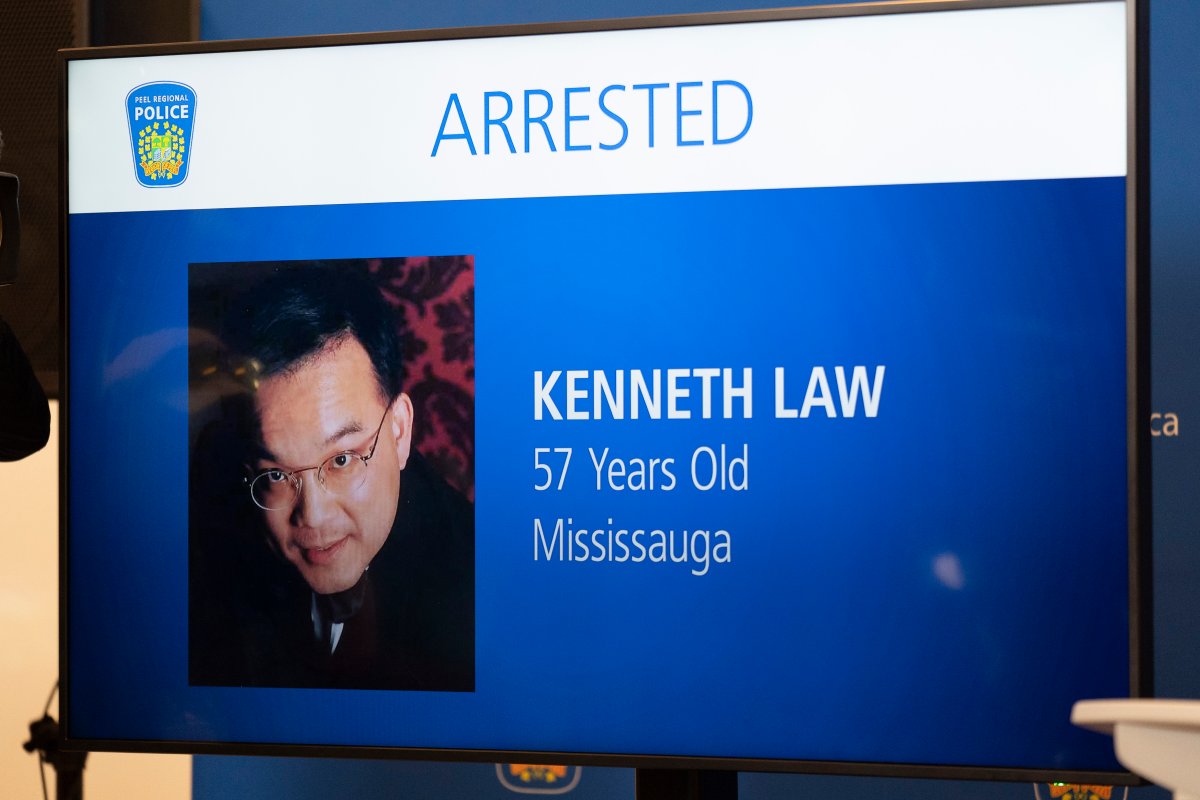
In a case that has sent shockwaves across international borders, the conviction of Kenneth Law, a former engineer from Mississauga, Ontario, has shed light on the devastating reach of illicit online marketplaces. Law, who pleaded guilty to charges related to the distribution of lethal chemical substances, was at the center of a sprawling investigation that linked his activities to deaths in multiple countries, including the United Kingdom, the United States, and Canada. The case has sparked a global conversation regarding digital platform accountability and the urgent need for enhanced oversight of hazardous substances sold via the internet.
The legal proceedings against Law, which concluded with his guilty plea in a Canadian court, highlight the complex intersection of e-commerce, global logistics, and public safety. According to the Peel Regional Police, who led the extensive multi-jurisdictional investigation, Law operated websites that facilitated the sale of sodium nitrite—a chemical compound that, while used in food processing, is lethal in high concentrations. The investigation, which spanned several years, eventually identified Law’s role in distributing these substances to individuals who used them to end their own lives.
The Global Reach of an Online Operation
The scale of the operation was international in scope, with investigators tracing shipments to dozens of countries. While initial reports and varying international law enforcement agencies have cited different figures regarding the total number of individuals affected, the British judiciary and law enforcement have been central in bringing to light the impact on families in the UK. The tragic nature of these deaths, which included minors and young adults, has prompted calls from bereaved families for stricter regulation of online retailers who operate without sufficient safeguards or age verification protocols.
The legal classification of these acts was a point of significant contention during the proceedings. Law eventually pleaded guilty to 14 counts of second-degree murder and 14 counts of counseling or aiding suicide in Ontario, as reported by CBC News. The transition from initial charges to the final plea reflects the complexities of prosecuting cross-border digital crimes where the act of “counseling” occurs in one jurisdiction while the fatal outcome occurs in another.
Regulatory Gaps and Digital Accountability
The case of Kenneth Law serves as a stark reminder of the regulatory vacuums that can exist in the digital age. Because the products involved are not inherently illegal in all contexts—sodium nitrite is a common food preservative—the challenge for authorities lies in identifying the intent behind the purchase and the subsequent distribution. This has led to intense scrutiny of how e-commerce platforms and payment processors monitor high-risk transactions.

In response to the tragedy, advocacy groups and lawmakers in several countries are now pushing for legislation that would mandate stricter reporting requirements for the sale of substances that can be misused. As noted by the UK Parliament, discussions are ongoing regarding how to better protect vulnerable individuals from accessing harmful materials online. The focus is shifting toward a “duty of care” model for digital platforms, ensuring that companies are held responsible for the content and products they facilitate within their ecosystems.
Key Takeaways
- Nature of the Offense: The distribution of lethal chemical substances via the internet directly contributed to numerous deaths, leading to high-profile criminal charges in Canada.
- Legal Outcome: Kenneth Law entered guilty pleas to second-degree murder and counseling suicide, acknowledging the catastrophic impact of his actions.
- Global Impact: The investigation involved international cooperation between law enforcement agencies, including those in the UK, the US, and Canada, to track the flow of illicit packages.
- Systemic Change: The case has catalyzed a broader international debate on the responsibilities of online retailers and the need for stricter global oversight of hazardous goods.
What Happens Next
While the criminal proceedings against Law have reached a significant milestone with his conviction, the broader legal and social ramifications remain ongoing. Families of the victims continue to pursue justice and advocate for systemic changes in how such substances are handled and sold. The next steps in the legal process involve the sentencing phases in various jurisdictions, as well as ongoing legislative reviews aimed at preventing similar tragedies from occurring in the future.
For those struggling with mental health or thoughts of self-harm, please know that resources are available globally. You can find support through local health services or international organizations like The International Association for Suicide Prevention, which provides a directory of crisis centers worldwide. If you found this report informative, please consider sharing it to help raise awareness about the importance of digital safety and mental health support.
Keep reading