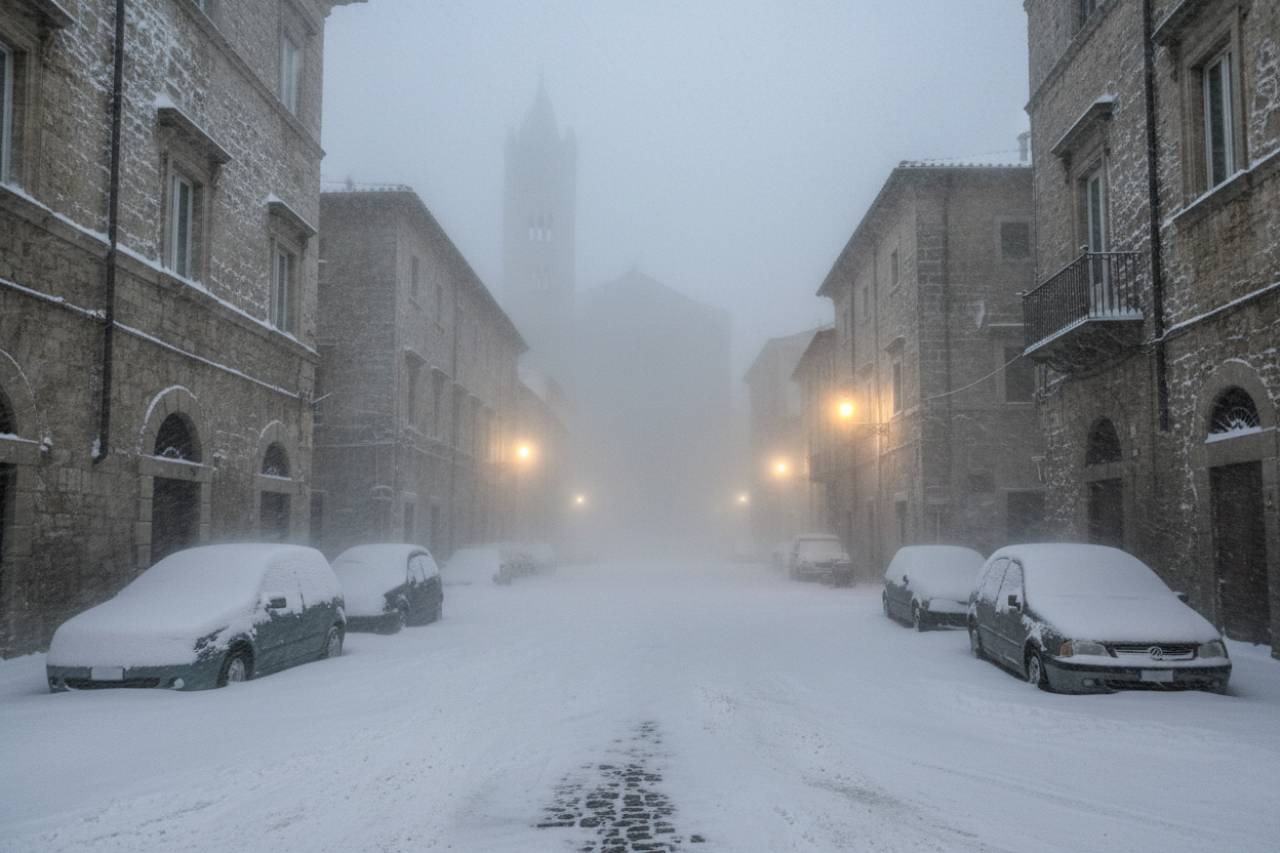
A powerful winter storm has brought widespread disruption to the northeastern United States, paralyzing travel, knocking out power to hundreds of thousands and prompting urgent calls for residents to stay home. The storm, arriving on the heels of a relatively mild weekend, is delivering a potent combination of heavy snowfall, strong winds, and frigid temperatures, creating dangerous conditions across the region. While winter storms are common in the Northeast, authorities are emphasizing the severity of this particular event, with some residents reporting conditions not seen in decades.
The current weather system is impacting a broad area, stretching from New York to Maine, with New York City and Massachusetts’ Cape Cod bearing the brunt of the storm’s force. The National Weather Service has issued blizzard warnings for several counties, forecasting significant accumulations of snow and wind gusts exceeding 70 miles per hour. These conditions are creating whiteout conditions, making travel treacherous and prompting widespread closures of schools, businesses, and government offices. The storm’s intensity is also raising concerns about potential structural damage from heavy snow loads and falling trees.
Northeast States Grapple with Widespread Power Outages and Travel Chaos
New York City is facing significant challenges as the storm intensifies. Mayor Eric Adams has urged residents to avoid all non-essential travel, stating, “We are asking New Yorkers to stay home. For your safety, do not travel.” NBC New York reports that the Department of Transportation is prioritizing snow removal on major roadways, but conditions remain hazardous. Even delivery services are feeling the impact, with DoorDash suspending nighttime operations due to the dangerous conditions. The Metropolitan Transportation Authority (MTA) has also announced service disruptions, including subway delays and bus cancellations.
The Northeast United States is gripped by a severe winter storm.
Massachusetts is experiencing some of the most severe impacts, with nearly 300,000 customers without power as of Thursday afternoon, according to the Massachusetts Emergency Management Agency (MEMA). Cape Cod is particularly hard hit, with approximately 85% of Barnstable County in the dark. Utility companies are working to restore power, but officials warn that it could accept days to fully resolve the outages. Schools have been closed across the state, and a state of emergency has been declared in several counties. Neighboring states, including Connecticut, Rhode Island, Pennsylvania, Delaware, and New Jersey, have also reported widespread school closures and power outages.
Beyond Disruptions: Assessing the Damage and Preparing for Recovery
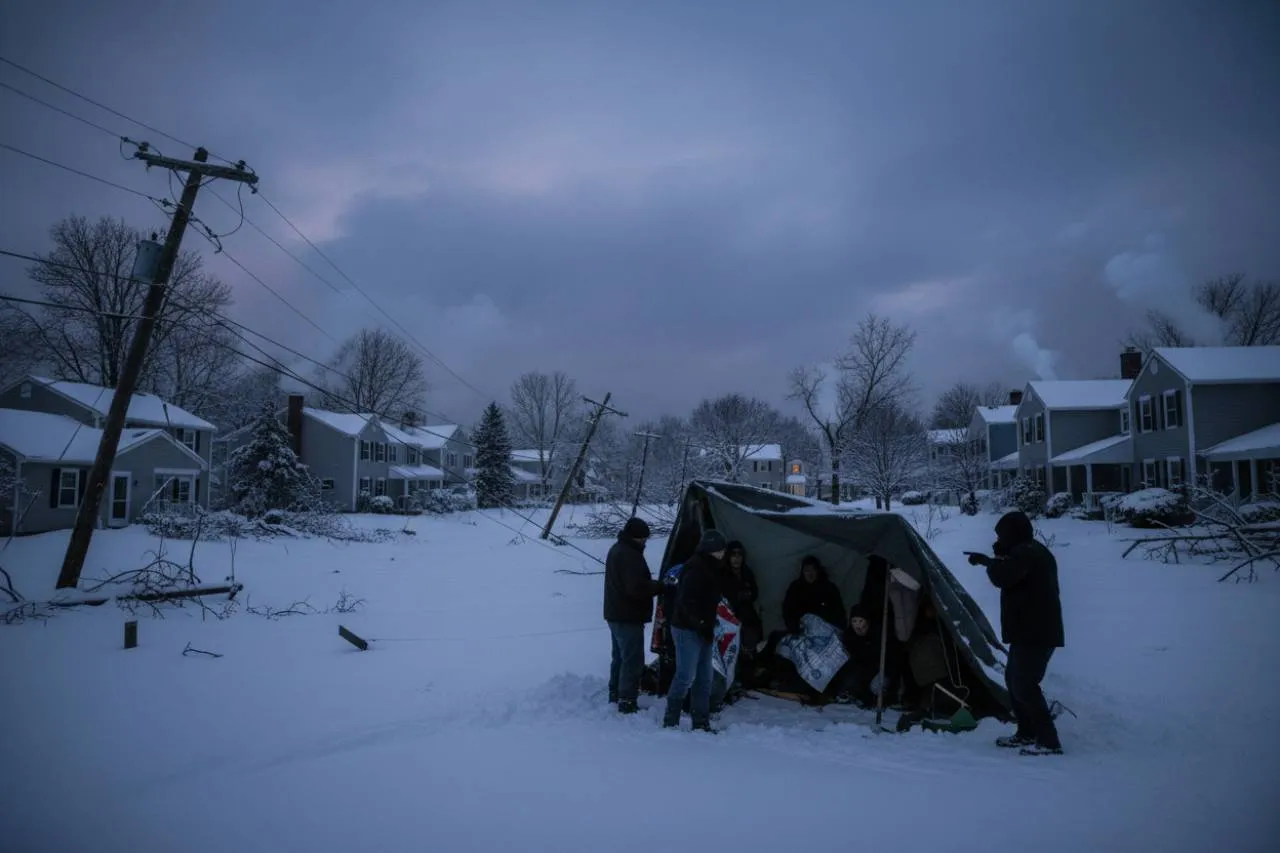
Significant damage is being reported across the affected region, prompting calls for solidarity.
The storm’s impact extends beyond immediate disruptions. Strong winds, gusting up to 110 kilometers per hour (approximately 68 miles per hour), have toppled trees and downed power lines, contributing to the widespread outages. Delaware Electric Coop has described the situation as a “disaster,” anticipating a lengthy restoration process. The combination of heavy snow and strong winds also poses a risk of structural damage to buildings. While no widespread structural collapses have been reported as of Thursday afternoon, authorities are urging residents to exercise caution and report any signs of damage.
The economic impact of the storm is also significant. Businesses have been forced to close, disrupting commerce and impacting workers. Flight cancellations have stranded travelers and created logistical challenges for airlines. The cost of snow removal and power restoration is expected to be substantial. The full extent of the economic damage will not be known for some time, but the storm will have a lasting impact on the region.
The National Weather Service is forecasting additional snowfall in the coming days, potentially exacerbating the existing challenges. Residents are urged to remain vigilant, heed the warnings of local authorities, and prepare for continued disruptions. The focus remains on ensuring public safety and restoring essential services as quickly as possible. The severity of this storm underscores the importance of preparedness and the need for communities to work together to mitigate the impacts of extreme weather events.
Key Takeaways:
- Widespread Disruptions: The Northeast is experiencing significant travel disruptions, power outages, and school closures due to a powerful winter storm.
- Safety First: Authorities are urging residents to stay home and avoid all non-essential travel.
- Power Restoration Challenges: Hundreds of thousands of customers are without power, and restoration efforts are expected to take days.
- Continued Threat: Additional snowfall is forecast in the coming days, potentially prolonging the disruptions.
As of Thursday evening, utility companies are continuing to assess the damage and prioritize restoration efforts. The Massachusetts Emergency Management Agency (MEMA) is providing updates on power outages and safety information on its website. Residents are encouraged to check with their local authorities for the latest information and guidance. The next significant update is expected Friday morning, when the National Weather Service will release a revised forecast and assess the storm’s trajectory.
This storm serves as a stark reminder of the increasing frequency and intensity of extreme weather events. As climate change continues to impact weather patterns, communities must invest in infrastructure improvements and preparedness measures to mitigate the risks and protect their citizens. The recovery from this storm will be a long and challenging process, but it will also provide an opportunity to build more resilient communities for the future.
What are your experiences with the storm? Share your thoughts and updates in the comments below. Please also share this article with your friends and family to help spread awareness and ensure everyone stays safe.
Keep reading
- Russia and Ukraine Target Fuel Infrastructure in Escalating Strikes
- US and Saudi Arabia Strike Iran-Backed Militias as Middle East Tensions Escalate
- Nepo Babies in Power: The Rise of Political Dynasties in Latin America (newsdirectory3.com)
- Latin America Political Dynasties See Rise of Nepobabies in Power (archyde.com)