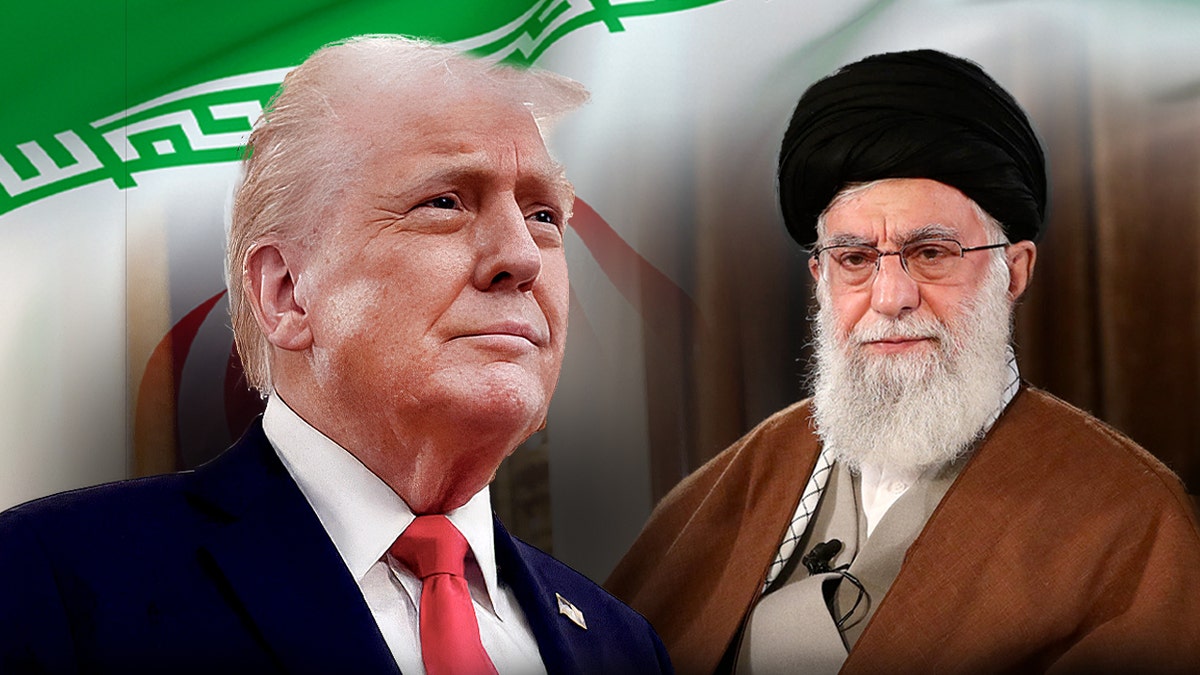
President Donald Trump has signaled a cautious and skeptical approach toward a new diplomatic proposal from Tehran aimed at ending the current conflict between the United States and Iran. Speaking to reporters on Saturday, May 2, 2026, the U.S. President confirmed he is reviewing the concept of a deal but expressed significant doubt that the terms will meet American requirements.
The diplomatic overture comes at a critical juncture, following months of intense military escalation and a fragile ceasefire. While the administration is examining the text, President Trump warned that the possibility of restarting military strikes remains if Tehran fails to adhere to specific conditions or continues what the White House characterizes as misconduct.
The tension between the two nations has reached a historic peak in 2026, following the launch of Operation Epic Fury
, a joint U.S.-Israeli military campaign in late February that targeted key Iranian infrastructure and leadership. The conflict has since shifted toward a volatile mix of ceasefire extensions and high-stakes negotiations over shipping lanes and nuclear capabilities.
The Iranian Proposal: Shipping Lanes and Nuclear Deferment
According to a senior Iranian official, the proposal currently under review by the White House suggests a phased approach to de-escalation. The core of Tehran’s offer involves the immediate reopening of shipping in the Strait of Hormuz and the cessation of the U.S. Blockade of Iran. In exchange, Iran would seek a reprieve from further military aggression.
Crucially, the Iranian plan seeks to decouple the immediate cessation of hostilities from the more contentious issue of nuclear proliferation. The proposal suggests leaving discussions regarding Iran’s nuclear program for a later date, prioritizing the restoration of maritime commerce and the end of the naval blockade first. This strategy appears designed to provide immediate economic relief to Tehran while delaying the high-pressure demands for nuclear disarmament.
However, this separation of issues is a primary point of contention for the Trump administration. The president has repeatedly stated that any sustainable agreement must address the nuclear threat as a central pillar, rather than a deferred talking point.
Trump’s Skepticism: The ‘Price’ of 47 Years
President Trump’s reaction to the proposal has been characterized by a demand for systemic accountability. The president indicated that he could not imagine the current offer being acceptable
, arguing that the Iranian government has not yet paid a sufficient price for its actions over the last 47 years—a timeframe that corresponds to the 1979 foundation of the Islamic Republic.
This insistence on a price
suggests that the administration is looking for more than just a cessation of fire; it is seeking concessions that reflect a fundamental shift in the Iranian regime’s regional behavior. The president’s rhetoric underscores a belief that diplomatic concessions should only follow a demonstrable weakening of the regime’s ability to project power in the Middle East.
The administration’s stance is further complicated by the legal deadlines facing the executive branch. On May 1, 2026, President Trump informed Congress that hostilities in Iran have terminated
since the imposition of a ceasefire on April 7, which has since been extended. This announcement coincided with a deadline under the War Powers Resolution of 1973, which would have otherwise required the president to seek a formal declaration of war or congressional authorization for continued military force.
Context: The Road to the May 2026 Crisis
To understand the current deadlock, one must look at the rapid escalation that defined the first quarter of 2026. The current diplomatic stalemate is the direct result of a series of unprecedented military actions:
- February 28, 2026: President Trump announced massive U.S. And Israeli military operations against Iran, citing the demand to eliminate intolerable threats to the U.S. And its allies.
- The Death of the Supreme Leader: Joint strikes resulted in the death of Ayatollah Ali Khamenei, leading the Iranian government to declare 40 days of national mourning and sparking fears of immediate, large-scale retaliation.
- Operation Epic Fury: This joint campaign saw the U.S. Claim to have sunk 10 Iranian ships as part of an effort to dismantle Tehran’s missile and naval capabilities.
- The April 7 Ceasefire: After weeks of volatility, a two-week ceasefire was established on April 7, 2026, which has been extended into May to allow for the current diplomatic exchanges.
The volatility of this timeline explains why the White House is treating the current Iranian proposal with extreme caution. The administration is balancing the desire to avoid a full-scale regional war with the goal of achieving a “total” victory that permanently degrades Iran’s capacity for regional destabilization.
Economic and Geopolitical Implications
The focus on the Strait of Hormuz in the Iranian proposal highlights the economic stakes of the conflict. As one of the world’s most important oil transit chokepoints, any disruption in the Strait has immediate effects on global energy prices and supply chain stability. By offering to open the strait, Iran is attempting to use global economic pressure to encourage the U.S. To lift its blockade.
From a business and market perspective, the uncertainty surrounding this deal continues to create volatility in oil futures. Analysts are closely watching whether the U.S. Will accept a “staged” deal—where maritime security is restored first—or if the administration will insist on a “grand bargain” that includes nuclear limits and the cessation of proxy activities across the region.
Key Takeaways of the Current Diplomatic Standoff
- Iranian Offer: Open the Strait of Hormuz and end the U.S. Blockade; defer nuclear talks.
- U.S. Position: Reviewing the text but skeptical; demands a higher “price” for the regime’s 47-year history.
- Military Status: A ceasefire remains in place, but the U.S. Warns of renewed strikes if Tehran “misbehaves.”
- Legal Context: The administration has notified Congress that hostilities have terminated to satisfy War Powers Resolution requirements.
The next critical checkpoint will be the White House’s formal response to the exact wording of the Iranian text. Whether the administration decides to engage in the deferred nuclear talks or maintains its demand for a more comprehensive surrender remains the central question for Middle East stability in May 2026.
World Today Journal will continue to monitor these developments. We invite our readers to share their perspectives on the viability of this diplomatic approach in the comments below.