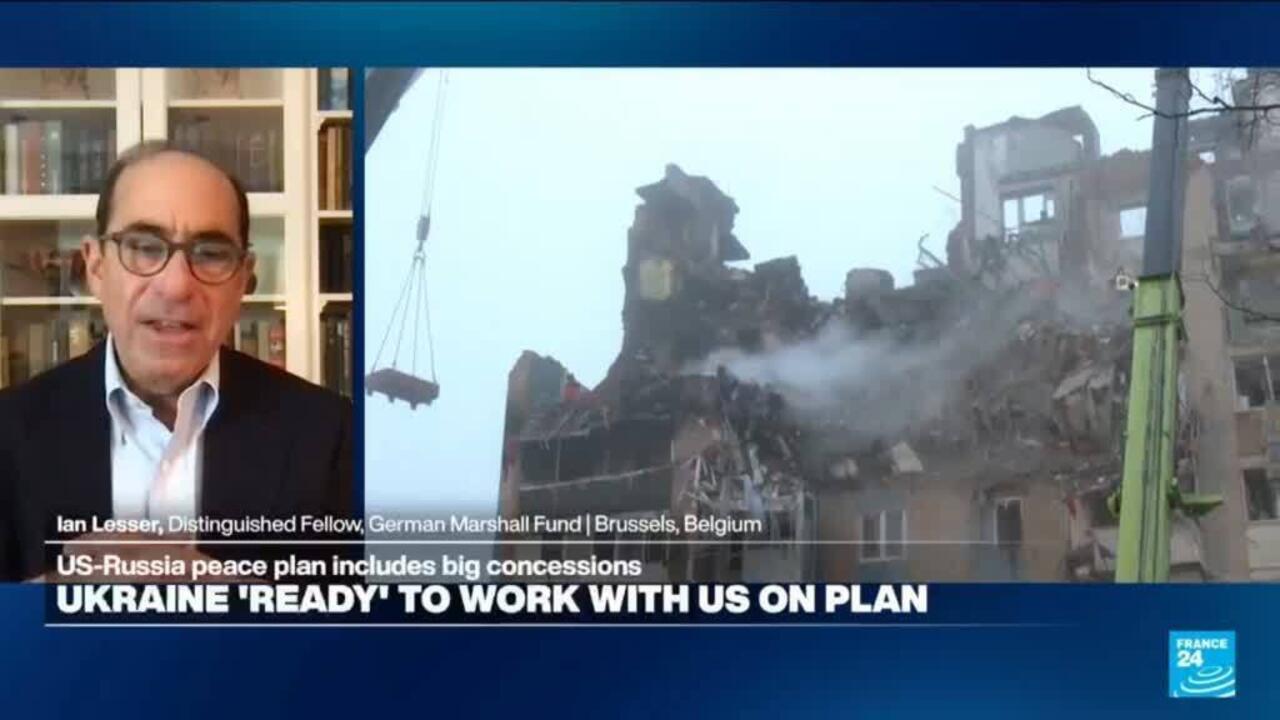
The Shifting Sands of Support: is the US Pressuring Ukraine Towards Concessions?
Are you following the evolving dynamics of the Ukraine conflict? Recent reports suggest a significant shift in the United States’ approach, raising questions about the future of its support for Ukraine and the potential for a negotiated settlement. This isn’t simply about continued aid; it appears to involve a intentional strategy to influence Kyiv’s negotiating position, even if it means considering proposals aligned with Russian demands.
Let’s delve into the details, explore the implications, and understand what this means for the ongoing war and the future of European security.
The Reported Pressure Campaign
Information surfacing indicates the US is leveraging its crucial support – intelligence sharing and weapons deliveries – to encourage Ukraine to seriously consider a 28-point peace plan. This plan,according to sources,incorporates elements that echo Russia’s core objectives. Specifically, it reportedly suggests Ukraine cede additional territory, considerably limit its military size, and permanently forgo any aspirations of joining the North Atlantic Treaty Organization (NATO).
This represents a marked escalation in pressure. Reports suggest Kyiv is experiencing greater pressure from Washington than at any point during previous peace talks.This isn’t merely encouragement; it’s a calculated attempt to shape Ukraine’s red lines.
What’s Driving This Change in Strategy?
Several factors likely contribute to this evolving US stance.
* Protracted conflict: The war has become a grinding stalemate, with neither side achieving a decisive breakthrough. Prolonged conflict carries significant risks, including escalating costs, potential for wider regional instability, and war fatigue among supporting nations.
* Domestic Political Considerations: US political landscapes are shifting. Continued, open-ended support for Ukraine faces increasing scrutiny from some factions, demanding a clearer path towards resolution. A recent Pew Research Center study (November 2023) shows a decline in US public support for providing aid to ukraine, notably among Republicans.
* Winter Looms: The approaching winter presents logistical challenges for both sides,perhaps exacerbating the humanitarian crisis and hindering military operations. A window for negotiation, however difficult, may be perceived as more favorable before conditions worsen.
* Shifting Global Focus: Other global crises, such as the conflict in the Middle East, are demanding US attention and resources, potentially impacting the level of support available for Ukraine.
The 28-Point Plan: A Closer Look
While the full details remain confidential, the reported elements of the plan are deeply concerning for Ukraine and its allies.
* Territorial Concessions: Ceding territory would reward Russian aggression and set a hazardous precedent for future conflicts. It also raises questions about the fate of Ukrainian citizens living in those areas.
* Military Restrictions: Limiting the size of Ukraine’s military would leave it vulnerable to future Russian aggression, effectively compromising its sovereignty.
* NATO Membership bar: denying Ukraine NATO membership would remove a key security guarantee and leave it isolated in a opposed geopolitical environment.
These stipulations align closely with Russia’s stated goals, leading to accusations that the US is effectively asking Ukraine to surrender key principles in exchange for continued support.
Implications for Ukraine and European Security
This potential shift in US policy has far-reaching implications.
* Erosion of Trust: Pressuring Ukraine to accept unfavorable terms could damage the trust between Kyiv and Washington, potentially leading to a reassessment of their strategic partnership.
* Regional Instability: A settlement perceived as unjust or imposed could fuel resentment and instability in Ukraine,potentially leading to renewed conflict in the future.
* Weakening of International Norms: Rewarding aggression thru territorial concessions would undermine the principles of international law and encourage further violations of sovereignty.
* Impact on NATO: the situation raises questions about NATO’s commitment to its open-door policy and its ability to deter future aggression.
What Can Ukraine Do?
Faced with this pressure, Ukraine has several options, none of which are easy.
- **Diplomatic