SBA Launches Effort to Recover $22.2 Billion in Pandemic Loan Fraud
The U.S. Small Business Administration (SBA) has initiated a comprehensive effort to recover approximately $22.2 billion lost to fraud during the COVID-19 pandemic. This action centers on loans issued through the Paycheck Protection Program (PPP) and the Economic Injury Disaster Loan (EIDL) program, both designed to provide financial relief to businesses struggling during the economic downturn caused by the pandemic. The agency is working in coordination with the Department of Justice to pursue these recoveries, signaling a heightened focus on accountability for misuse of federal funds.
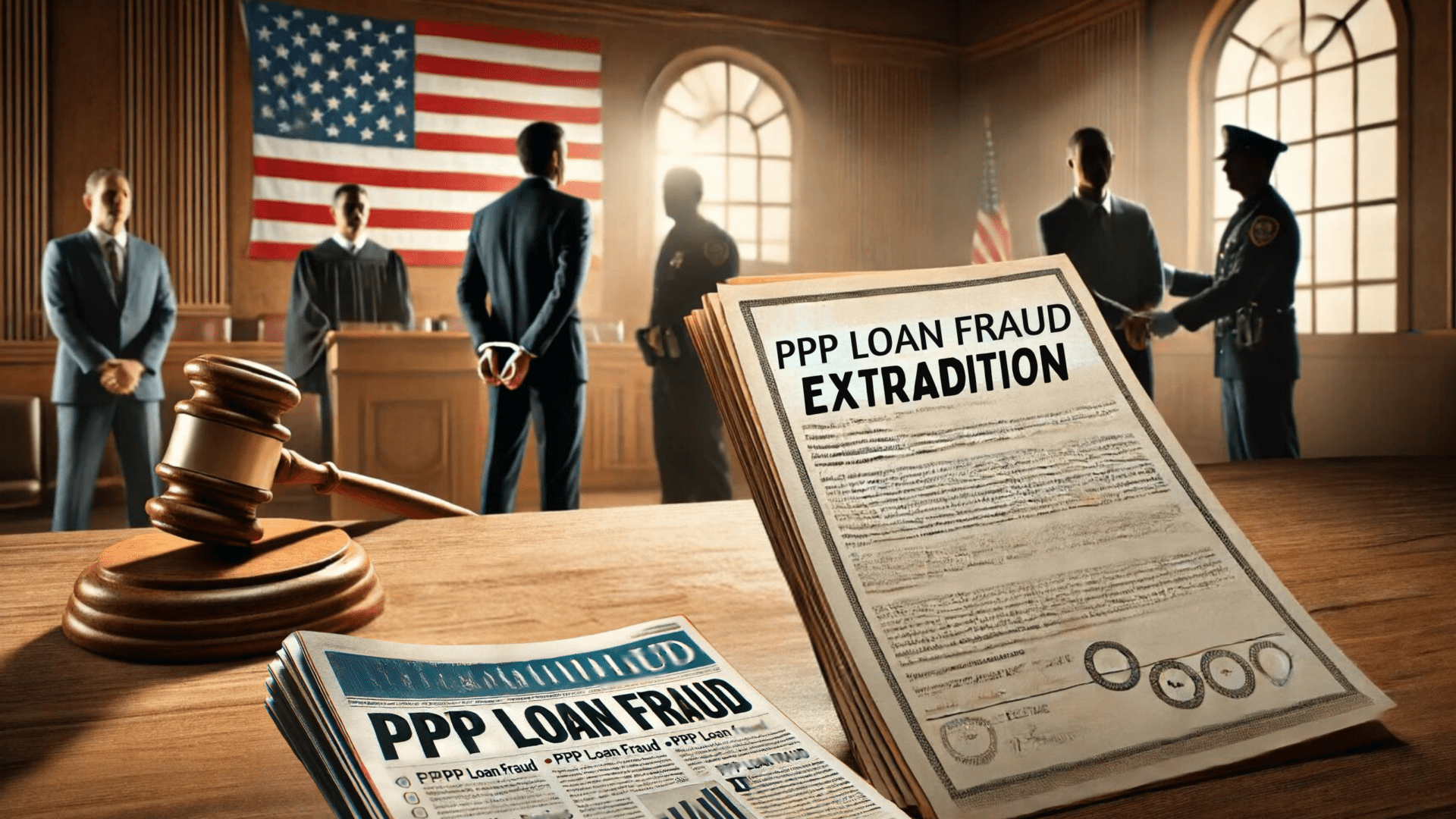
The SBA has transferred 562,000 suspect loans to the Treasury Department for debt collection, marking a significant escalation in the agency’s response to widespread fraud. This move comes as scrutiny intensifies over the rapid disbursement of funds during the pandemic, where safeguards were often relaxed to expedite aid to businesses in need. While the programs were vital in preventing widespread economic collapse, they likewise proved vulnerable to abuse by individuals and entities seeking to exploit the system for personal gain. The scale of the fraud represents a substantial loss for taxpayers and raises questions about the effectiveness of oversight mechanisms.
Pandemic Loan Programs: A Brief Overview
The PPP, established under the Coronavirus Aid, Relief, and Economic Security (CARES) Act of 2020, provided forgivable loans to small businesses to cover payroll costs and other eligible expenses. The CARES Act authorized up to $349 billion for the PPP, with subsequent funding rounds increasing the total available to over $800 billion. The EIDL program, also part of the CARES Act, offered low-interest loans to help businesses and non-profits overcome temporary revenue losses. These loans were administered directly by the SBA.

The speed with which these programs were rolled out, coupled with a surge in applications, created challenges for the SBA in verifying the legitimacy of borrowers and the accuracy of their claims. This environment facilitated fraudulent activity, including inflated payroll figures, fictitious businesses, and multiple applications for the same assistance. The agency has been under pressure from Congress and oversight bodies to strengthen its fraud detection and recovery efforts.
Recent Cases Highlight the Scope of the Fraud
Recent legal cases underscore the extent of the fraud and the SBA’s commitment to prosecution. Abraham Park, a resident of La Mirada, California, was sentenced to 46 months in prison and ordered to pay $6.993 million in restitution and forfeit $535,000 following his conviction on charges of wire fraud and money laundering. The Department of Justice announced the sentencing on May 5, 2026. Park exploited the EIDL program between March 2020 and October 2022, submitting over 120 fraudulent applications – both in his own name and under the identities of others. Seventy-three of these applications were approved, resulting in approximately $7 million in illicit funds disbursed by the SBA.
According to court records, Park operated a financial services company that assisted clients with loan applications and credit score improvement. He allegedly encouraged clients to establish shell companies and submit false applications, receiving a portion of the loan proceeds as a “fee.” He also submitted applications under his own name and those of family members. This case exemplifies a pattern of sophisticated fraud that exploited vulnerabilities in the EIDL program. The Department of Justice stated that Park pleaded guilty to wire fraud and money laundering in March 2026.
The Recovery Process and Challenges Ahead
The transfer of 562,000 suspect loans to the Treasury Department initiates a standard debt collection process. This typically involves sending demand letters, assessing penalties and interest, and potentially pursuing legal action, including wage garnishment and asset seizure. Though, recovering these funds will likely be a complex and protracted process. Many fraudulent borrowers may have already dissipated the funds, making recovery difficult or impossible. Legal challenges from borrowers could delay or impede the recovery efforts.
The SBA faces significant hurdles in its pursuit of these funds. Tracing the flow of illicit funds can be challenging, particularly when borrowers have used complex schemes to conceal their activities. The agency must also navigate a complex legal landscape and ensure that its recovery efforts comply with due process requirements. The sheer volume of suspect loans adds to the logistical challenges. The SBA will need to leverage data analytics and advanced investigative techniques to prioritize cases and maximize its recovery rate.
Impact on Small Businesses and Future Safeguards
The widespread fraud in the pandemic loan programs has raised concerns about the impact on legitimate small businesses. Some businesses that were genuinely in need of assistance may have been overlooked or received smaller loan amounts due to the depletion of funds by fraudulent actors. The SBA is working to address these concerns and ensure that future relief programs are more effectively targeted and protected from abuse.
The agency is implementing enhanced fraud detection measures, including improved data analytics, stricter verification procedures, and increased collaboration with law enforcement agencies. These measures are designed to prevent future fraud and ensure that federal funds are used for their intended purpose. The SBA is also exploring the apply of artificial intelligence and machine learning to identify suspicious activity and flag potentially fraudulent applications. The lessons learned from the pandemic loan programs will be crucial in shaping the design and implementation of future disaster relief efforts.
Key Takeaways
- The SBA is actively pursuing the recovery of $22.2 billion in fraudulent pandemic loans.
- The effort focuses on loans issued through the PPP and EIDL programs.
- Recent cases, such as the sentencing of Abraham Park, demonstrate the agency’s commitment to prosecution.
- Recovering these funds will be a complex and challenging process.
- The SBA is implementing enhanced fraud detection measures to prevent future abuse.
The SBA’s recovery efforts are ongoing, and further updates are expected as the agency progresses in its investigations and legal proceedings. The agency encourages anyone with information about pandemic loan fraud to report it to the SBA Office of Inspector General. The outcome of this recovery effort will have significant implications for the future of small business lending and the administration of federal disaster relief programs.
Readers are encouraged to share their thoughts and experiences regarding the pandemic loan programs in the comments section below. Please also share this article with your network to raise awareness about this vital issue.