
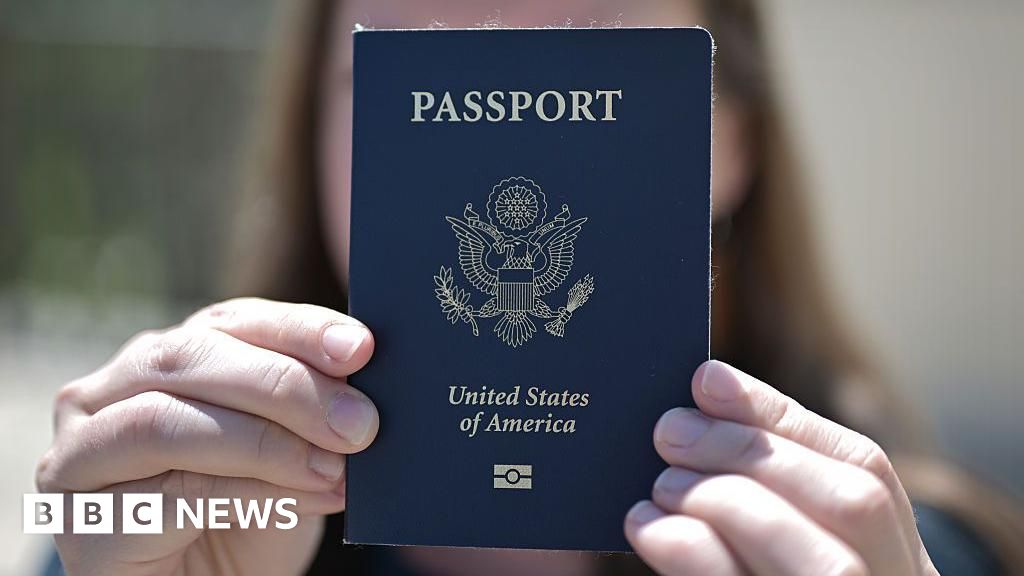
The United States government is preparing to significantly escalate its enforcement of child support payments by proactively revoking the passports of parents who owe substantial debts. This shift marks a departure from previous federal practices, moving the State Department from a reactive posture to an active one in restricting the international travel of delinquent parents.
According to U.S. Officials, the Trump administration is expanding the application of a 30-year-old law that allows the federal government to revoke American passports until outstanding child support payments are settled. While the legal authority to do so has existed for decades, the method of execution is changing, potentially impacting thousands of individuals across the country.
Under the new initiative, the State Department will begin revoking passports on its own initiative. This process will be driven by data shared directly with the department by the Health and Human Services Department, removing the previous requirement that a person first approach the government for travel services before their debt was flagged.
From Passive to Proactive: A New Enforcement Strategy
For years, the process of passport revocation for child support arrears was largely passive. The State Department generally acted only when a parent applied to renew their travel document or sought other specific consular services. In effect, enforcement depended on the individual initiating contact with the department.

The upcoming change eliminates this dependency. By leveraging inter-agency data sharing, the federal government can now identify and penalize debtors without waiting for a renewal application. This proactive approach is designed to increase the pressure on parents to settle their financial obligations to their children by removing the privilege of international travel.
The scale of this expansion is expected to be significant. While the exact number of affected individuals has not been officially released, U.S. Officials believe the number of parents facing passport revocation under this new initiative will be in the thousands, as reported by the Associated Press.
The Legal Framework and the $2,500 Threshold
The authority for these revocations is rooted in federal legislation passed in 1996. This law specifically permits the revocation of passports for parents who owe more than $2,500 in unpaid child support. By utilizing this existing legal mandate, the administration is not creating a new law but is instead stepping up the enforcement of a statute that has been on the books for nearly three decades.

The $2,500 threshold serves as the trigger for federal intervention. Once a parent’s debt exceeds this amount and is reported through the Health and Human Services Department, they become eligible for passport revocation. The travel document remains revoked until the payments are brought current or a satisfactory payment arrangement is reached.
This mechanism is part of a broader effort to ensure that child support—a critical financial lifeline for millions of children—is prioritized. By targeting the ability to travel abroad, the government aims to create a powerful incentive for compliance that transcends state lines and international borders.
Impact on International Travel and Consular Services
The revocation of a passport is a severe administrative action that effectively grounds a citizen within the United States. For those affected, the loss of a passport means an inability to travel for business, leisure, or family emergencies. Because the State Department will now act on its own initiative, parents may discover their passports are invalid only when attempting to board a flight or enter a foreign country.
This shift also changes the dynamic of consular services. Previously, the “checkpoint” for enforcement was the application process. Now, the enforcement happens in the background, meaning the State Department’s database will be updated to reflect the revoked status of a passport based on the data provided by the Health and Human Services Department.
For parents who find themselves in this position, the only path to restoring travel privileges is the resolution of the debt. This typically involves paying the full amount of the arrears or establishing a court-approved payment plan that satisfies the requirements of the 1996 federal legislation.
Key Takeaways on Passport Revocation
- Proactive Enforcement: The State Department will now revoke passports independently using data from the Health and Human Services Department, rather than waiting for renewal requests.
- Financial Threshold: Revocations are permitted under 1996 federal law for parents who owe more than $2,500 in child support.
- Scale of Action: Officials believe the number of people affected by this expanded enforcement will be in the thousands.
- Restoration: Passports are typically revoked until the outstanding child support payments are made.
As this policy is implemented, the federal government continues to emphasize the importance of child support compliance. The coordination between the State Department and the Health and Human Services Department represents a streamlined approach to federal debt collection and parental responsibility.

The next confirmed step in this process is the formal public announcement of the program’s rollout, which will provide further details on how affected parents will be notified and the specific steps required to resolve their debts and reclaim their travel documents.
World Today Journal encourages readers to share this report and leave their comments below regarding the impact of federal enforcement on international travel.